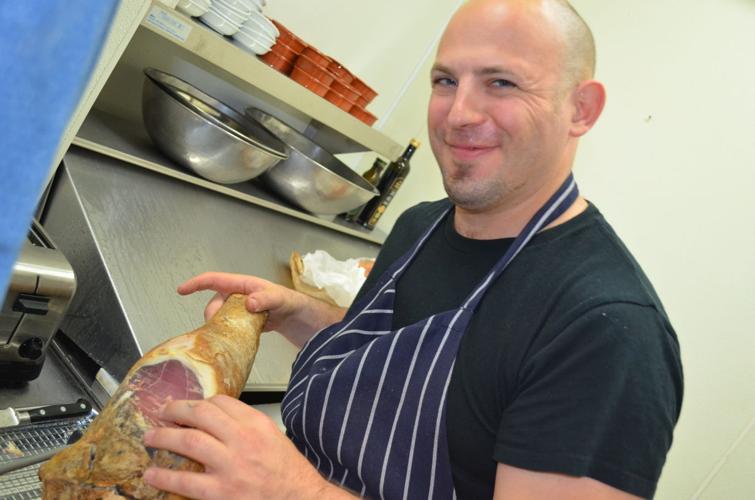

So Chef Jeffrey Weiss of jeninni kitchen + wine bar, who I recently tagged as one of my two my exciting chefs of the year gone by and also cooked up a doozie of a dinner at the James Beard House, just earned a whopper of an honor.
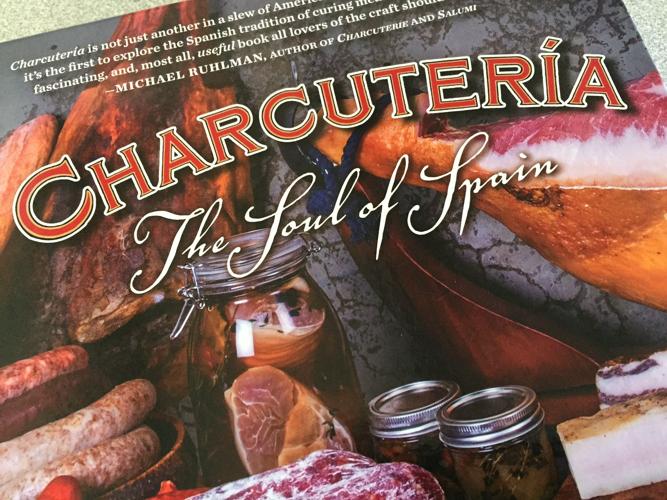
His new book Charcutería: The Soul of Spain won the 2014 Gourmand World Cookbook Award as Best Foreign-International Cuisine Book produced in the United States.
Each country-category winner competes against other global competitors in the same category for the Best of the World recognition.
The international competition will announce its global winners this June.
Now, I don't want to spoil the party, but it's not actually a book.
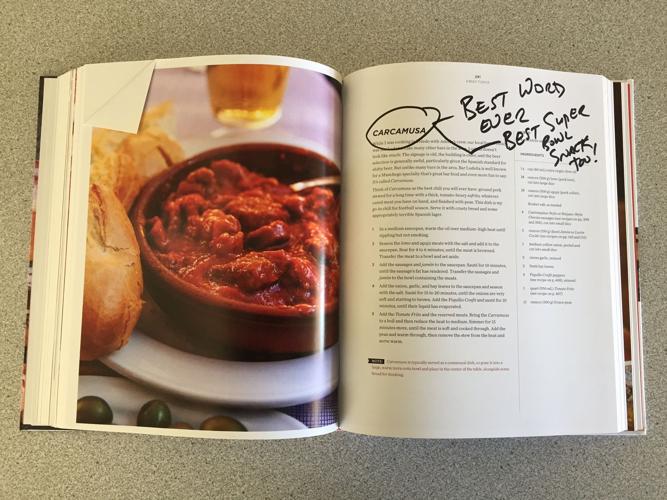
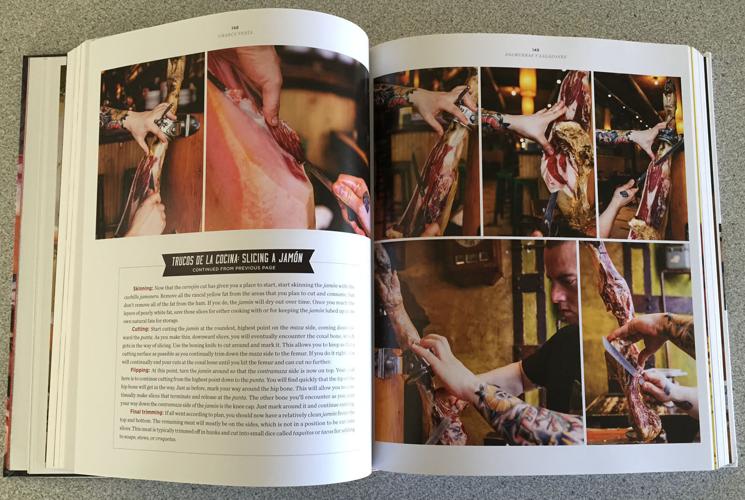
It's a big, meaty, beautifully-illustrated, well-written, 460-page love note.
As Weiss writes in the introduction: "This is my Spain, a place of transcendent memories centered on the diverse foods, rich culture and welcoming people whom I have come to adopt as my own—if they'll have me.
"These memories are the staccato sounds of the flamenco bailaora's footfalls, the multicolored sights of pixto platters laid out on bars in San Sebastián, and the unmistakable smells of charcutería—that smoky aroma of cured pork mixed with pimentón, which permeates much of Spain's cuisine, culture, history and regional pride."
World-changing chef José Andrés acknowledges as much in the foreword, writing, "What you will find here in Charcuteria is a love letter; it is filled with the passion and perseverance of a young man on a mission to discover the soul of Spain."
But…to be fair to Andrés, it's more than all that.
It's a revelation, a romp, an extensive instruction manual and an apparently legal form of jamón pornography.
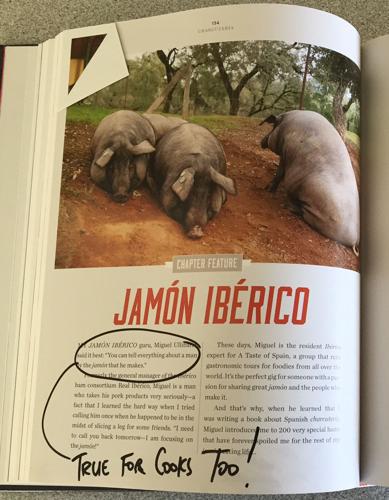
It's also flat out fun to look at.
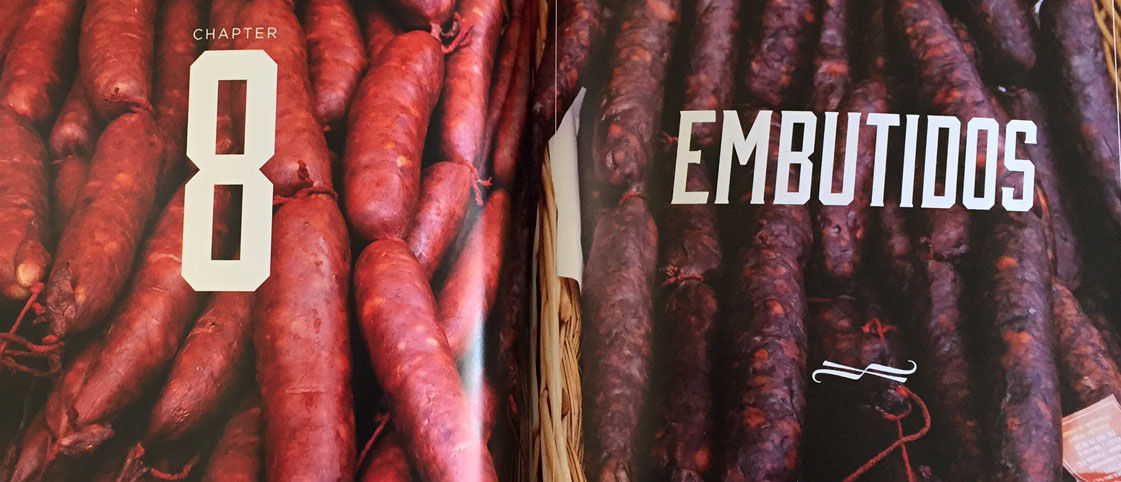
James Beard Award-nominee Nathan Rawlinson does the vivid pictures; Spanish illustrator Sergio Mora does drawings that are equally cool and educational.
I tracked down Weiss as he was—how'd you guess—scouring Spain for flavor and fun just last week and sent him some questions to help put the big nomination in context.
Here's what he had to say.
How has writing a book like this changed your perspective on food, educating eaters and your reason for being?
You know, I don't presume I'm some kind of grand educator for the eating masses.
I just wanted to get some information into the world about the things that I saw in Spain—and to try and do it coherently while typing with chorizo-stained fingers and in between sips of Tempranillo.
In retrospect of this experience, I think the coolest thing is in looking at how we worked on the Ibérico farm—there was nothing hidden about the practices, nothing wasted of the animal, as has been the tradition for centuries!—and seeing similar practices happening in the modern American gastronomic culture.
I certainly don't lay claim to this notion taking root in the US—hell, it started before Charcutería came out in March 2014—but I like to think that the book has helped carry the torch and inspire the next generation of chefs, butchers, artisans, and charcutiers.
What charcuterie discovery inspires you most? What would surprise average eaters most?
I'm pretty much a slut for morcilla in all its forms—and for a young, Bay Area Jewish kid to come around to blood sausage you know it's gotta be good.
I mean, look, morcilla isn't for everybody and there are varying tastes and textures abound. But, I swear to you, if you go to northern Spain and try some morcilla emberzado in Asturias, or the rice-laden version morcilla de burgos, or if you go to my favorite bar in Madrid La Soberbia and get their version of morcilla ibérica—it will change your life. Period.
When did you know you were hooked on charcuterie? And on Spain?
I first visited Spain back in my figure skating days. I was between skating partners, so I decided to take a break and visit my sister who lived in Madrid.
At the time, all I wanted to do was eat paella (pre-chef me didn't know that Madrid is not the place to go for paella) and see flamenco.
And meet Spanish women...because obvi.
So we went to this spot called Casa Patas, a famous conservatory for flamenco. It was everything you expect from the old cigarette-years of Europe: A smoke-filled room, jars of bad sangria on the tables, and a raised stage where bailaores stomped, clapped, and spun for 45 minutes of the most mesmerizing show I had ever seen.
Between that show, getting to know spanish women with their Demi Moore-esque baritone voices, and consuming more pacharan than I care to remember I was hooked on Spain ever since.
When Americans don't differentiate between standby salami and more seemingly exotic Spanish takes, what are we missing?
The answer is everything.
Look, Spain has 17 autonomous communities (more or less states) and many towns, within each AC, have their own style of chorizo or something they are famous for and proud of.
Trust me, dude: A salami isn't a salchichon isn't a chorizo. Go to Spain, travel around, eat what the locals eat, and don't you dare visit a McDonald's.
Why should everyone, even vegans, eat charcuterie? Lay three reasons on me.
Hey, look: I'm not going to judge someone else's lifestyle choices. We have the great fortune to live and eat in the land of the free and the home of so many great cultures and cuisines.
You don't want to eat meat? Great, more for me. But how about you leave the decision of what I consume up to me and my cardiologist?
Enjoy your tofu, praise the lord, and pass the foie gras please.
As for 3 reasons:
1. Because your grandparents, and their grandparents, did it.
2. Because it's a delicious part of almost every culture all over the world.
3. Because every time you eat some chorizo José Andrés is somewhere smiling.
Free play. What else bears mentioning?
When I started out writing this book, I wanted to present a side of Spain that the rest of the world really hasn't seen much of. Basically, almost nothing existed that got into the history and culture of the matanza, the respect and reverence that goes into the ritual, and the lineage and tradition of charcutería.
The fact that it's now taking hold with a lot of chefs and butchers is very rewarding for me—so, for me it's mission accomplished in that regard.


(0) comments
Welcome to the discussion.
Log In
Keep it Clean. Please avoid obscene, vulgar, lewd, racist or sexually-oriented language.
PLEASE TURN OFF YOUR CAPS LOCK.
Don't Threaten. Threats of harming another person will not be tolerated.
Be Truthful. Don't knowingly lie about anyone or anything.
Be Nice. No racism, sexism or any sort of -ism that is degrading to another person.
Be Proactive. Use the 'Report' link on each comment to let us know of abusive posts.
Share with Us. We'd love to hear eyewitness accounts, the history behind an article.