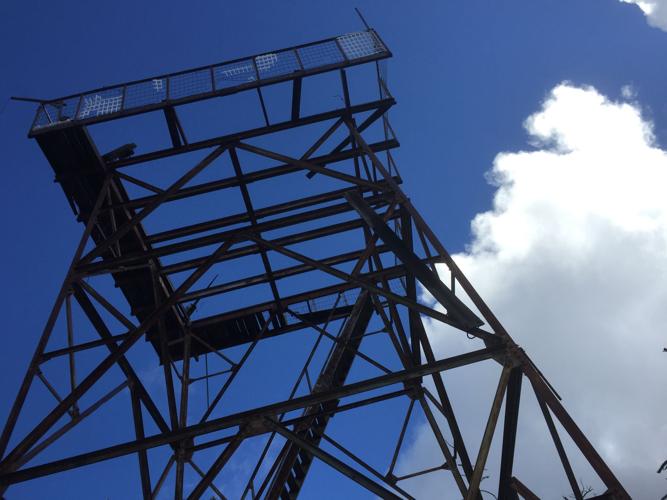
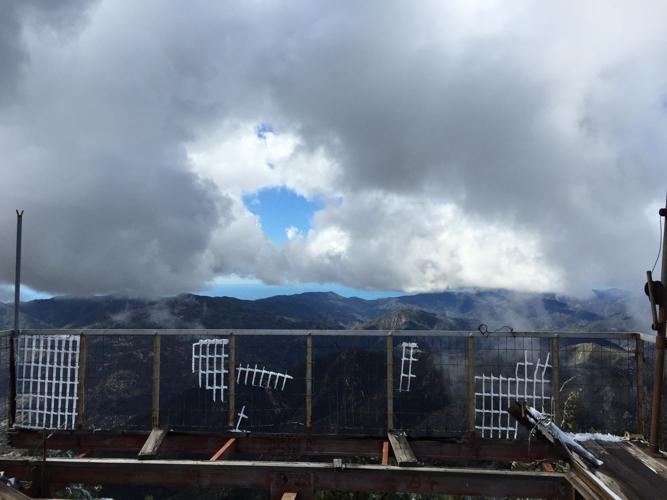
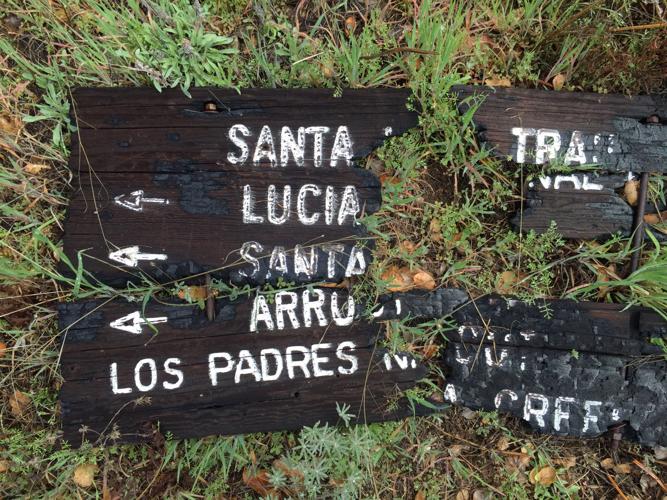
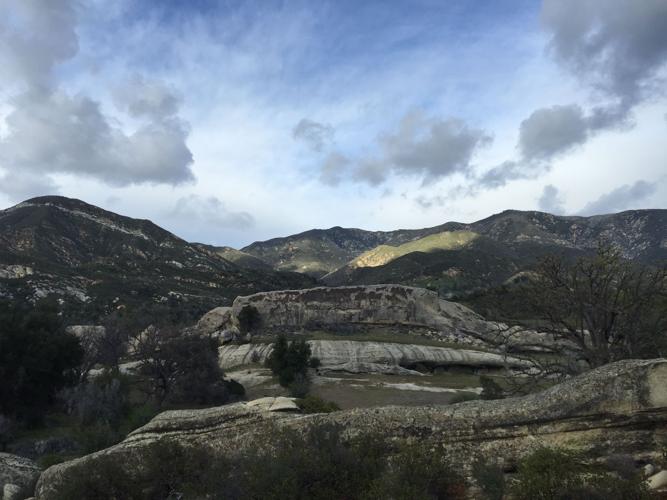
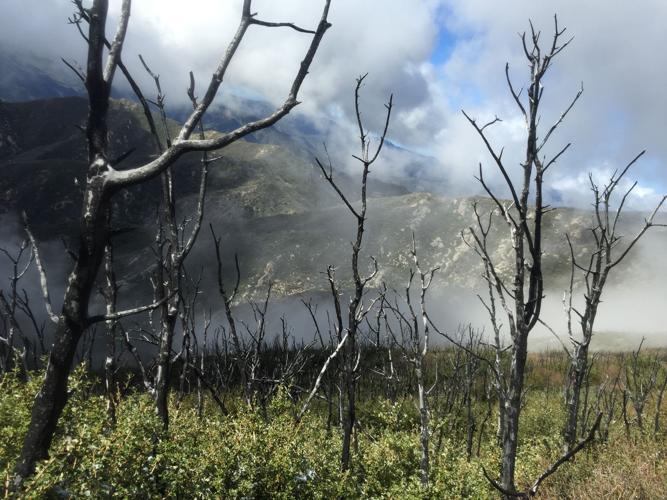
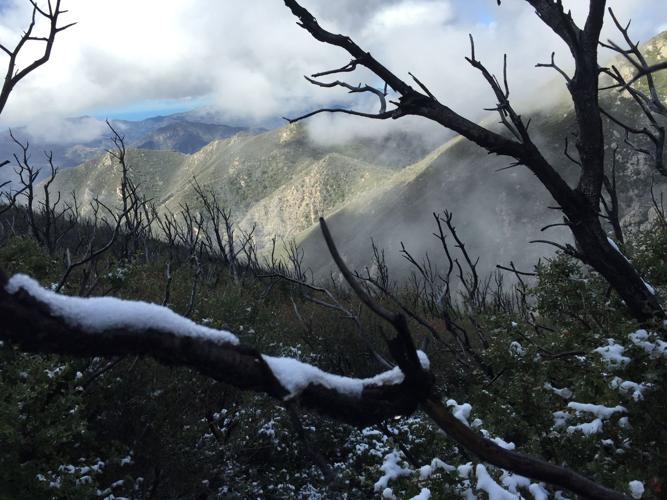
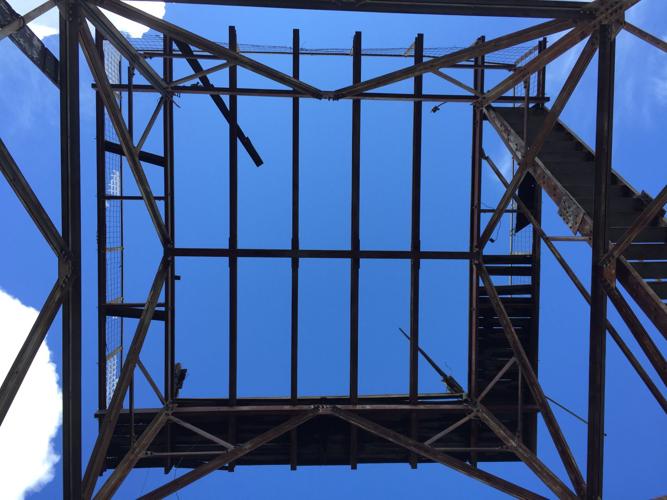
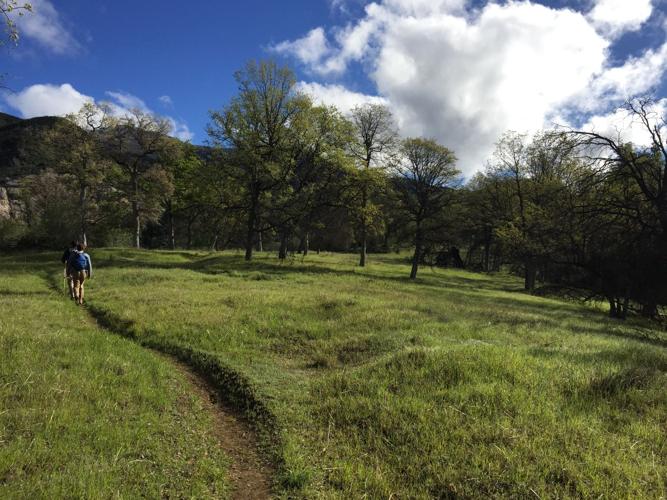
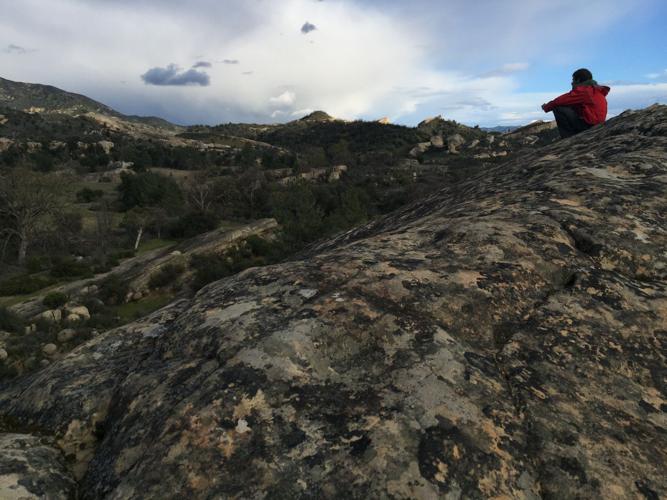
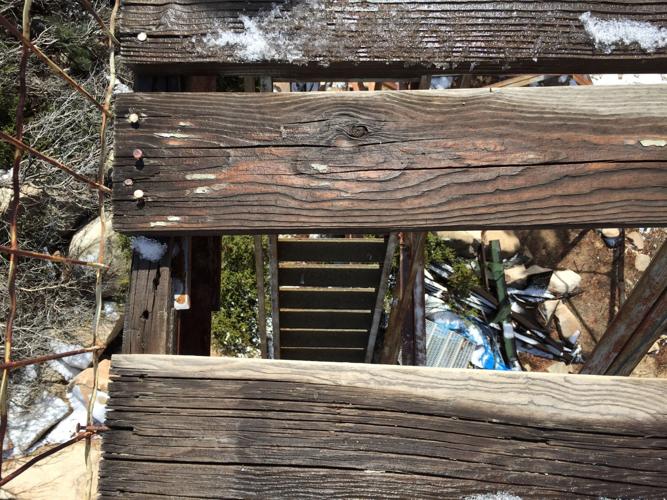
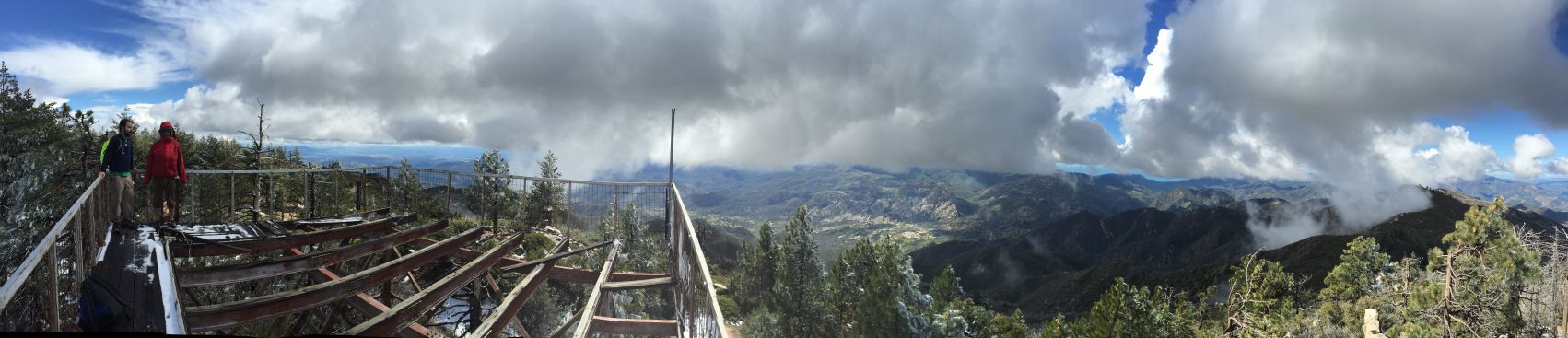
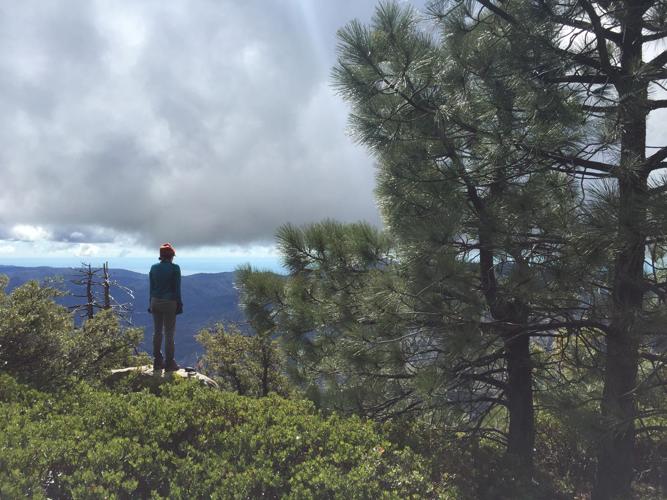
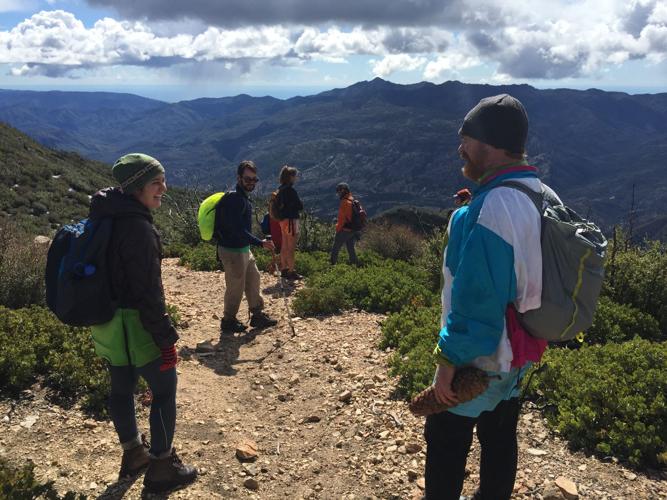
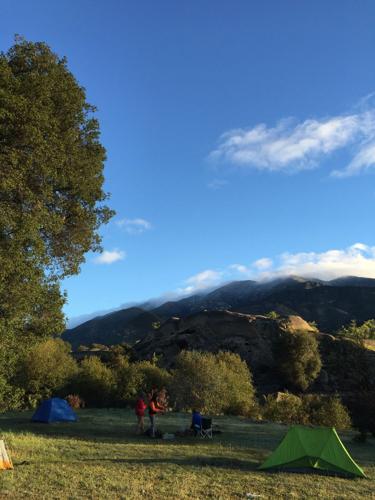
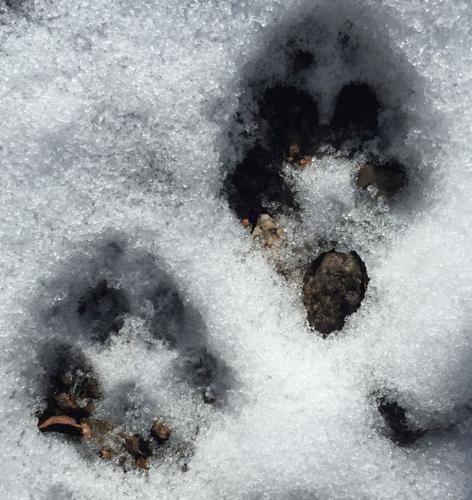
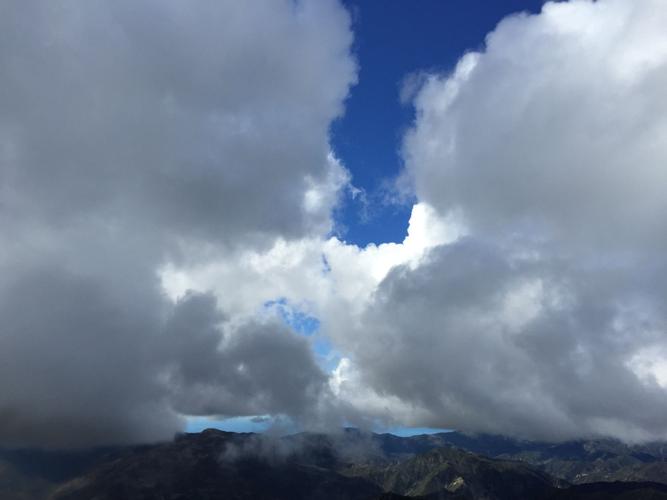
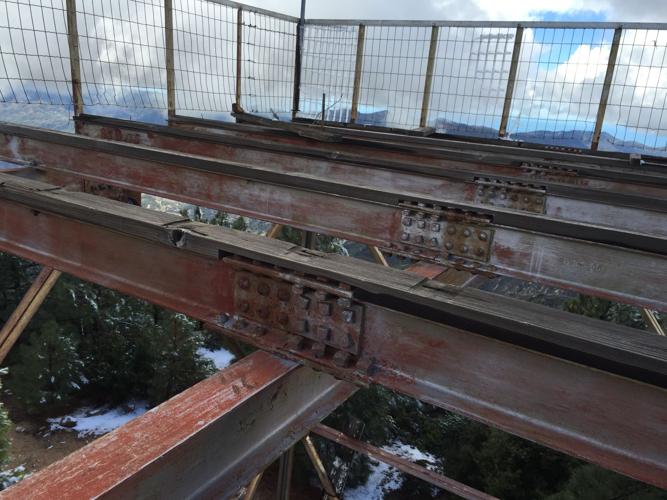
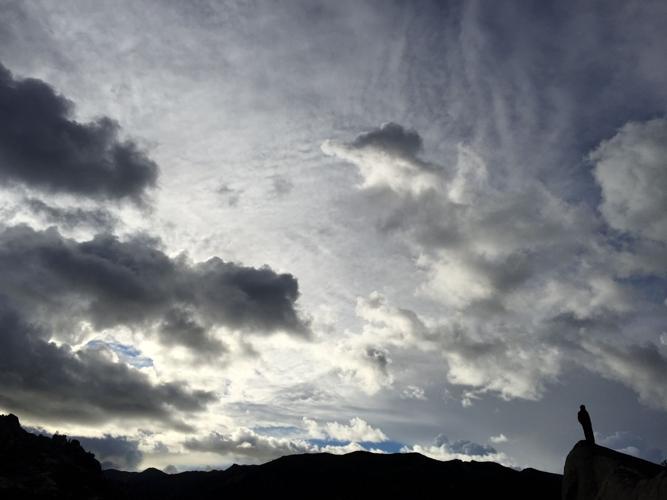

High atop Junipero Serra peak in the Ventana Wilderness of South Monterey County, the view zooms from San Antonio Valley to Pacific Ocean beyond Big Sur and even Santa Cruz.
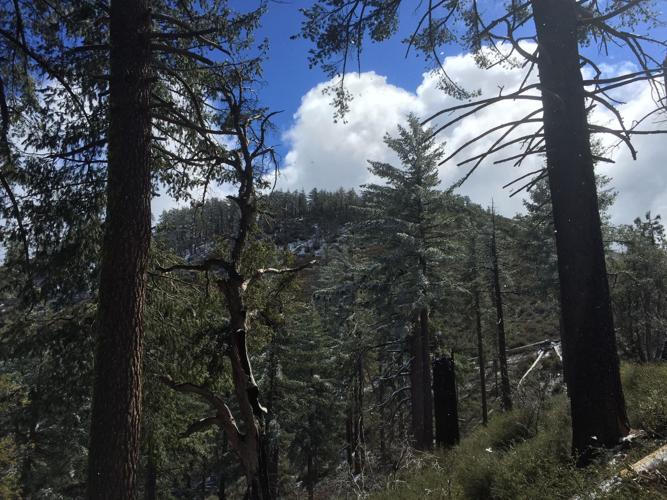
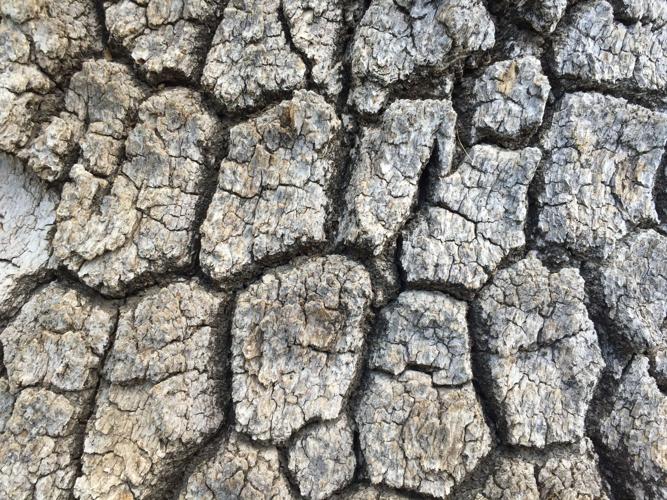
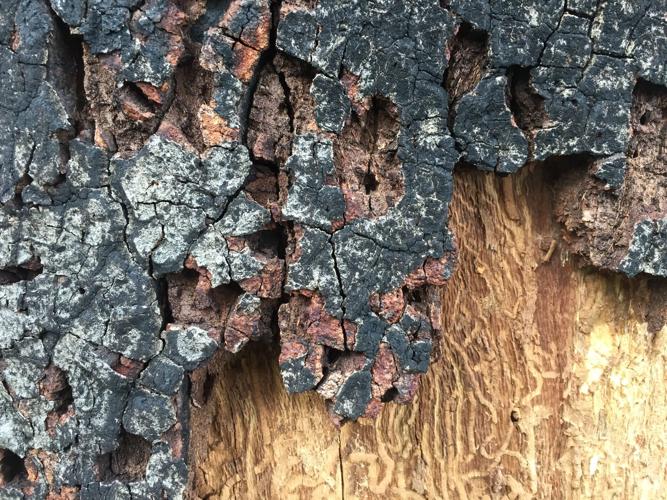
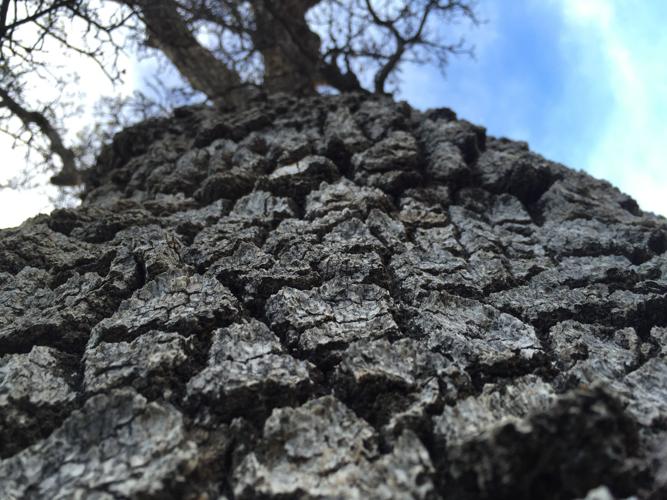
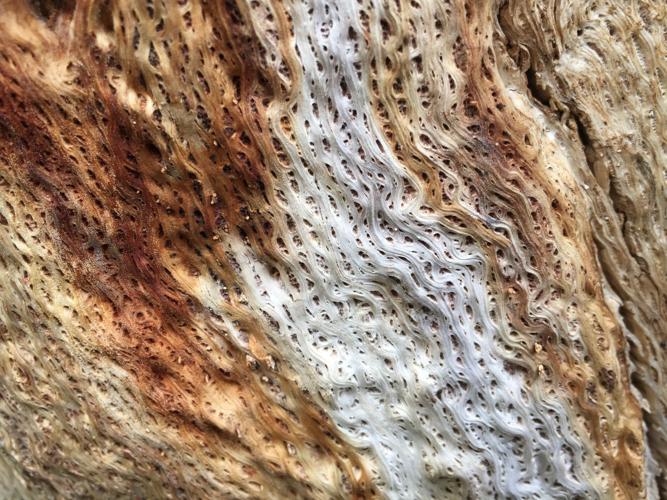
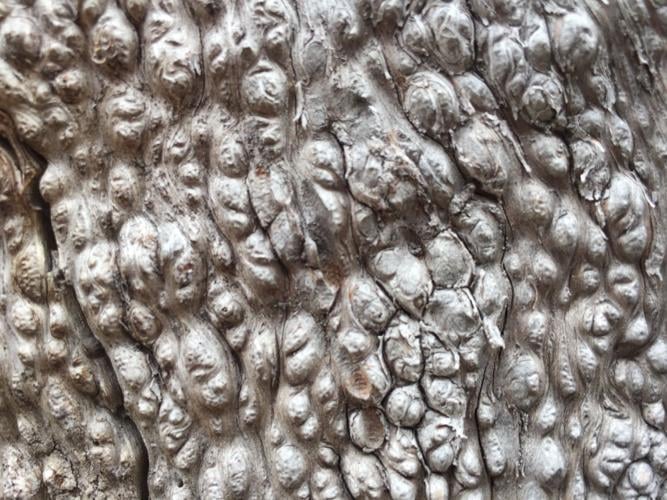
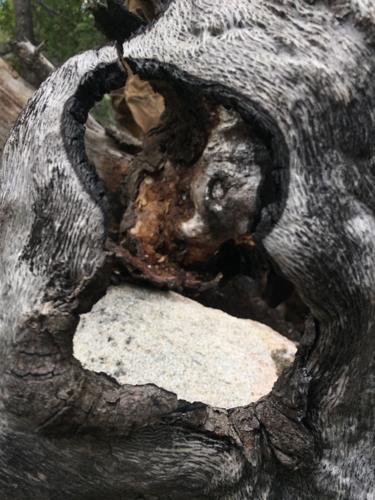
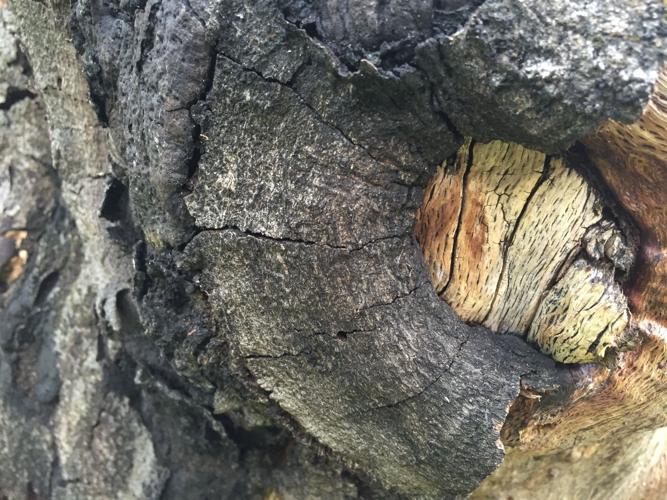
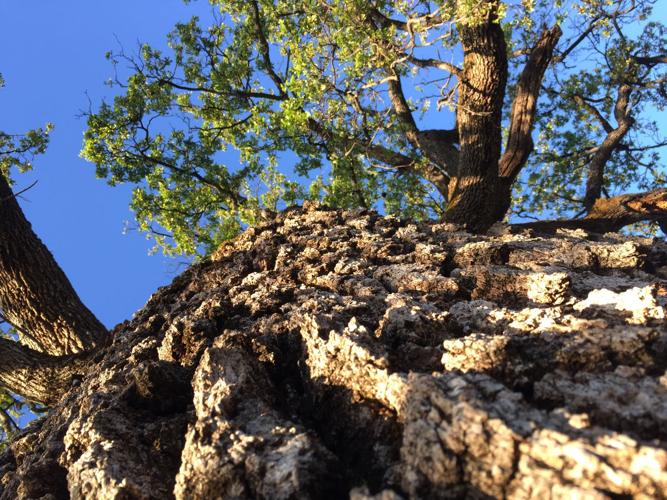
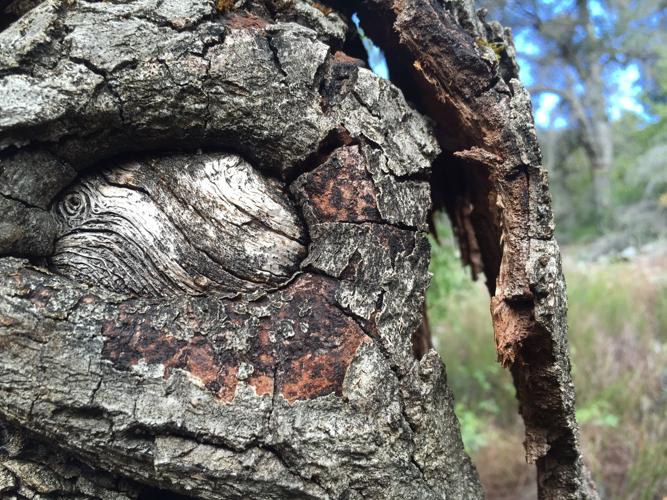
That summons goosebumps to crowd out those caused by the cold—and to rival those found in the textured tree barks on the way up and down.
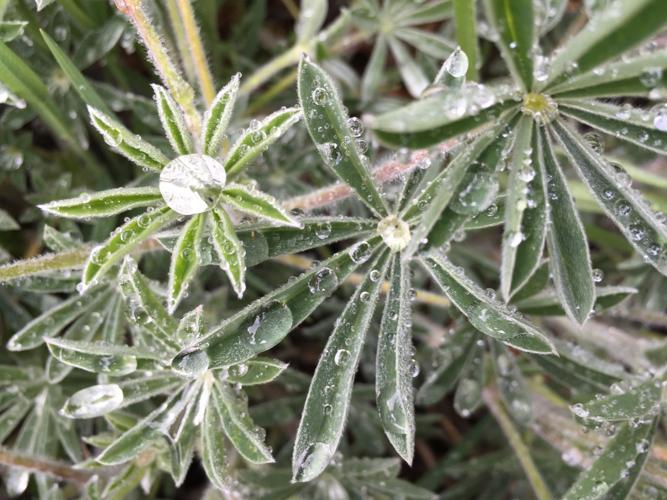
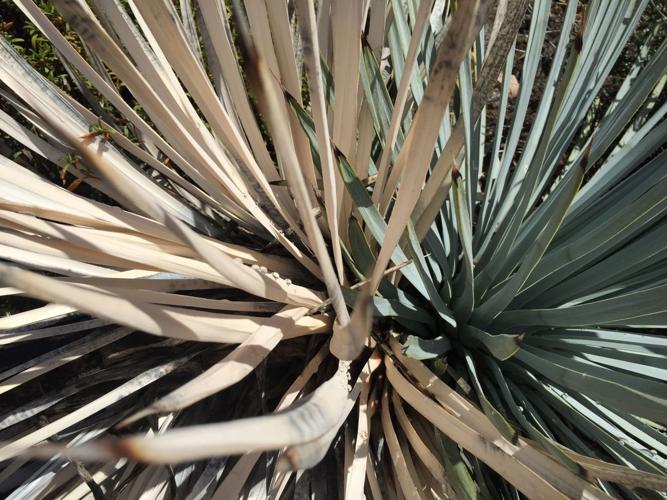
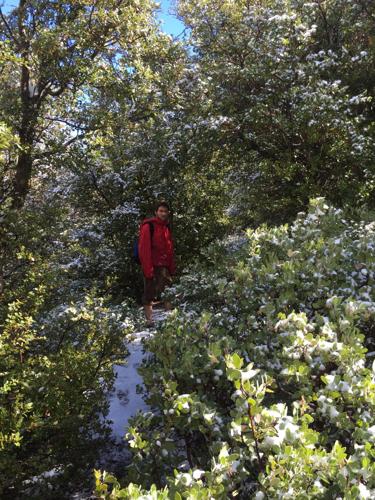
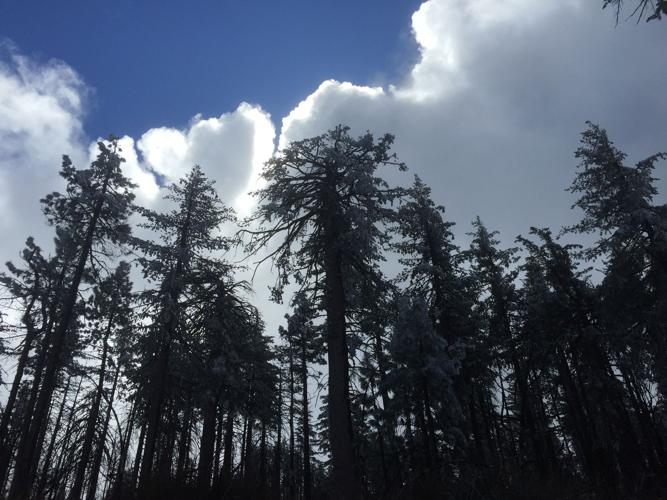
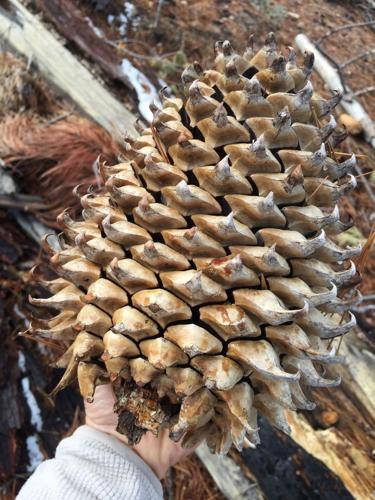
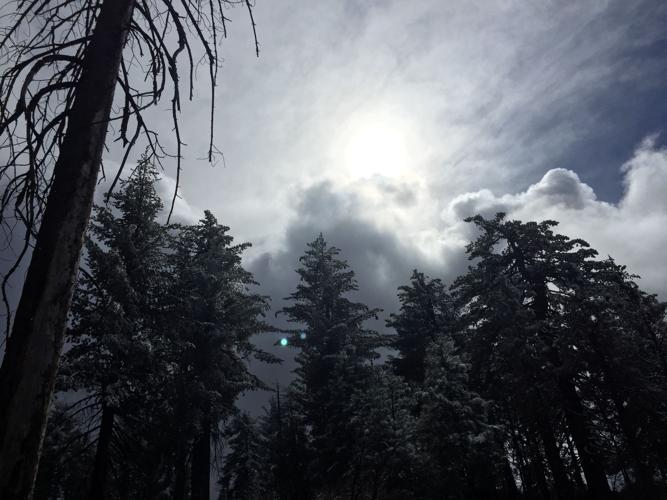
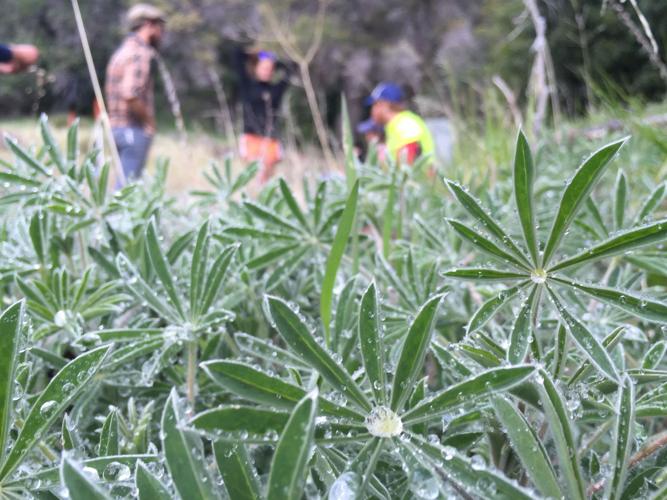
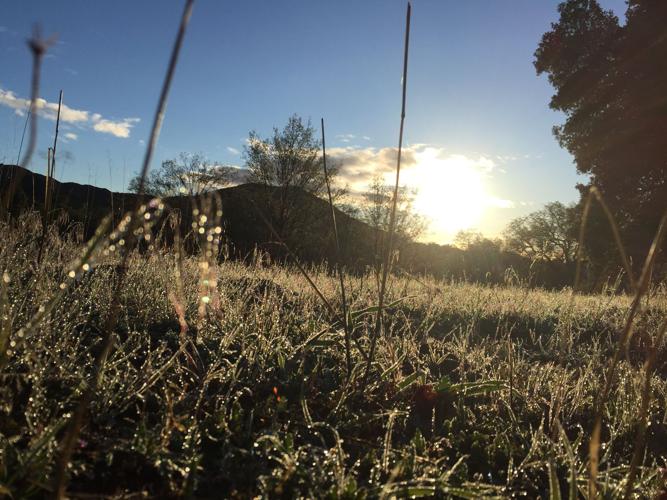
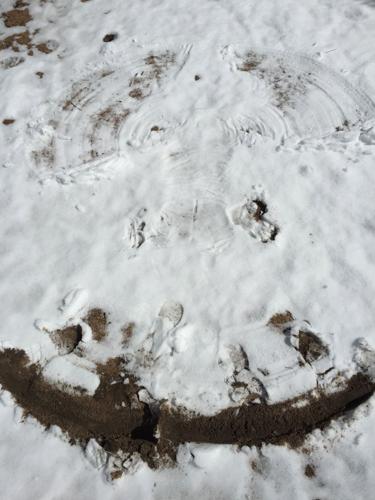
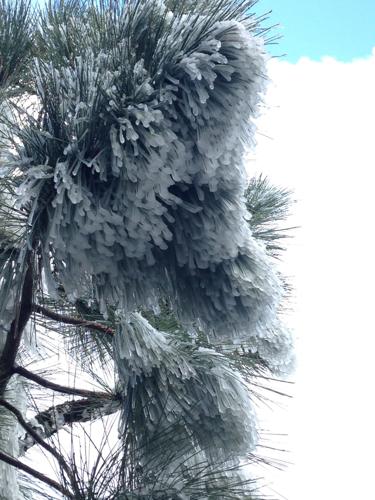
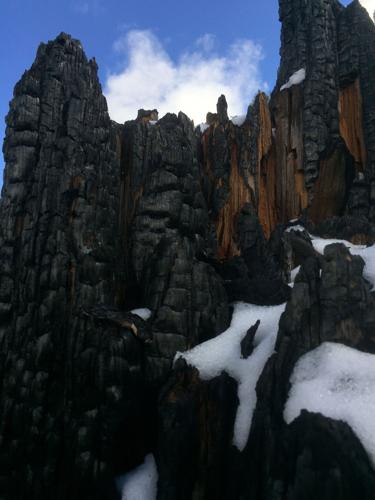
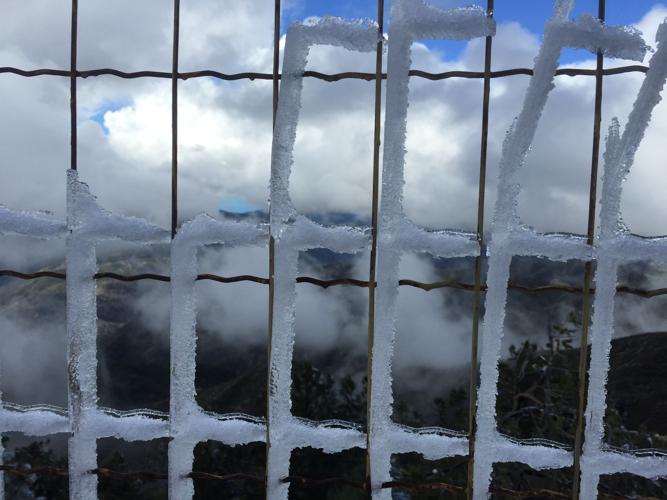
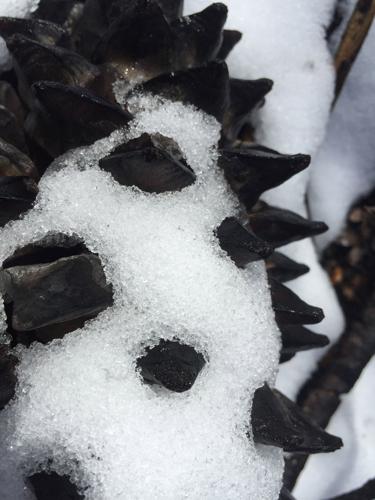
After rains at the end of February, Serra summit—and its (gulp) 5,862 feet—also provide dramatic temperature changes, florescent hiker gear to discourage stray hunters' bullets and strands of icy snow dangling from prehistoric-scale pine needles.
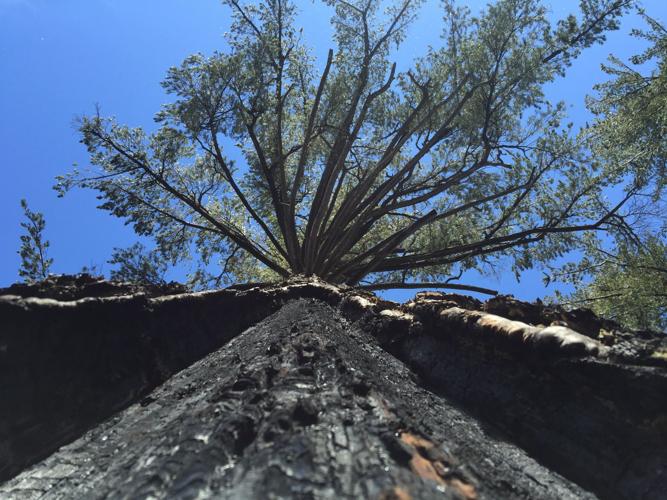
Other striking elements await, including a sugar- and Coulter-pine forest.
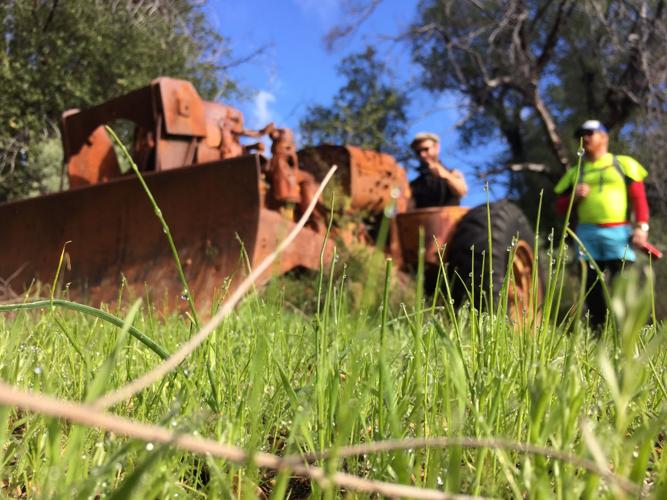
Monterey resident and naturalist Katherine Pofahl was among a group that made the intense 12-mile hike late last month on the heels of a late-winter rain in pursuit of snow and other such singular sights.
"This [stand of trees] is a rarity in so many ways and spectacular to see," she says.
No other spot in the county enjoys such a grove, which frequently appear in the high Sierra Nevadas.
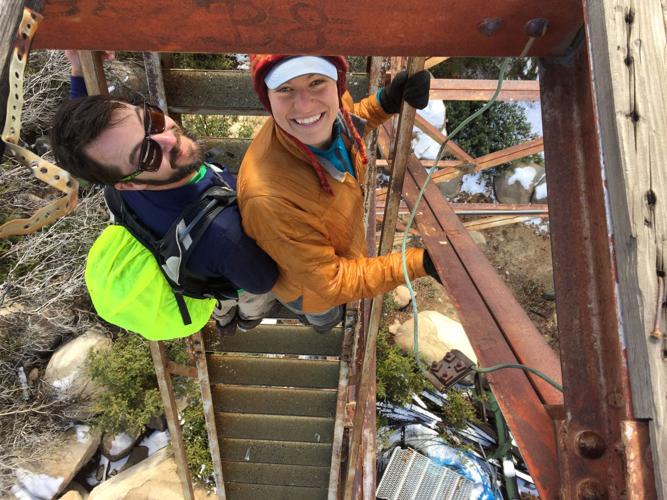
That made for a dramatic summit Pofahl captured in the eyes of friends like teacher Shane Anderson and local school nutritions chief Jenn Gerard, who joined her on the trip to the top as part of a mission dubbed "Sara v. Serra" in honor of Weekly beat reporter Sara Rubin's birthday.
"I have several photos of genuine joy on Shane, Sara, and Jenn's faces from when they first entered the grove," she says. "Priceless."
While the ambitious hike affected everyone who undertook it, including her surprisingly hardy 18-pound dog Biscuit, Pofahl wonders how climate change will affect the rare patch of earth.
"There's no more 'up' for those trees to go if climactic conditions at this elevation become unfriendly to species that enjoy a light chill," she says.
While that will require some time and anxiety for nature lovers to evaluate, a look at what awaits way up there in Monterey County's most rarified air need not wait.
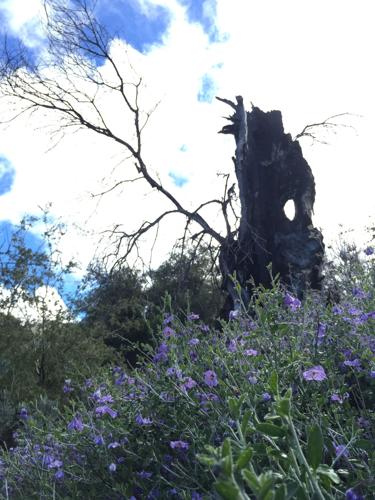
Hike participant and ecologist Corey Hamza marvels at how specific the biome sequence gets: Instead of transitioning from coniferous forest to a treeless alpine environment like a typical peak in the Sierras, it jumps from bushy chaparral to a crown of coniferous forest.
"It makes me think about the climate and the factors shaping the vegetation—what grows where and why, soils, exposure to sun, all those things," he says, "but more than anything it makes me feel thankful to live in such an awe-inspiring land and be free to explore all it has to offer.”
The cold and moisture, he adds, heightens the experience.
"The feeling that arises from summiting," Hamza says, "is more one of sanctuary and belonging than forbidding extreme exposure.”


(0) comments
Welcome to the discussion.
Log In
Keep it Clean. Please avoid obscene, vulgar, lewd, racist or sexually-oriented language.
PLEASE TURN OFF YOUR CAPS LOCK.
Don't Threaten. Threats of harming another person will not be tolerated.
Be Truthful. Don't knowingly lie about anyone or anything.
Be Nice. No racism, sexism or any sort of -ism that is degrading to another person.
Be Proactive. Use the 'Report' link on each comment to let us know of abusive posts.
Share with Us. We'd love to hear eyewitness accounts, the history behind an article.