
Katie Rodriguez here, thinking a lot about water lately—where we get it and how we manage it across the county—especially after a week where it’s felt like winter (and rain) has officially exited the chat.
When I think about water, my mind usually drifts to all sorts of issues, like how San Lucas has been on bottled water for about a decade, how Cal Am’s rates are the source of tension for so many residents on the Monterey Peninsula, or how the Sustainable Groundwater Management Act is six years in the making to ensure we have enough water for future generations. (And don’t get me started on sea level rise.)
But I don’t typically think about our wastewater, and the processes in place to manage and treat all of the sewage coming from our homes, and how if that system falters, the issue can seep into plans for housing, agriculture and so on.
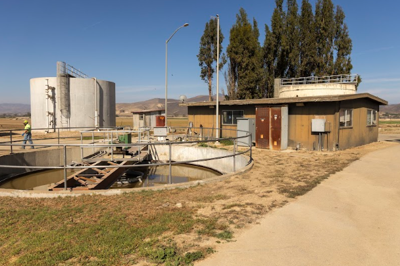
This is the focus of my colleague Celia Jiménez’s story this week, about how issues with the wastewater treatment plant in the city of Greenfield in South County are colliding with city plans, and bringing many more cooks into the kitchen along the way.
Like so many infrastructure projects, especially those dealing with water, the wastewater treatment plant is an aging facility that needs repair—and money to do those repairs. The City Council voted last year to temporarily halt new construction to avoid piling additional strain on the facility.
Then the game of ping-pong between multiple agencies begins, Jiménez reports. The building moratorium isn’t active yet because it needs approval from the California Department of Housing and Community Development, which is taking longer than expected.
Meanwhile, the Central Coast Regional Water Board has issued multiple notices of violations over the years and is mandating Greenfield build a new plant by 2030.
And harvest season is on its way, which is expected to increase the flow to the wastewater treatment plant.
The city has to figure out a way to pay for it—not cheap—and is exploring funding options. Enter another agency: the State Water Board’s Division of Financial Assistance.
Stories like this are fascinating because they really highlight the interconnectedness of all the invisible systems that contain our lives. You can give it a read here.


(0) comments
Welcome to the discussion.
Log In
Keep it Clean. Please avoid obscene, vulgar, lewd, racist or sexually-oriented language.
PLEASE TURN OFF YOUR CAPS LOCK.
Don't Threaten. Threats of harming another person will not be tolerated.
Be Truthful. Don't knowingly lie about anyone or anything.
Be Nice. No racism, sexism or any sort of -ism that is degrading to another person.
Be Proactive. Use the 'Report' link on each comment to let us know of abusive posts.
Share with Us. We'd love to hear eyewitness accounts, the history behind an article.