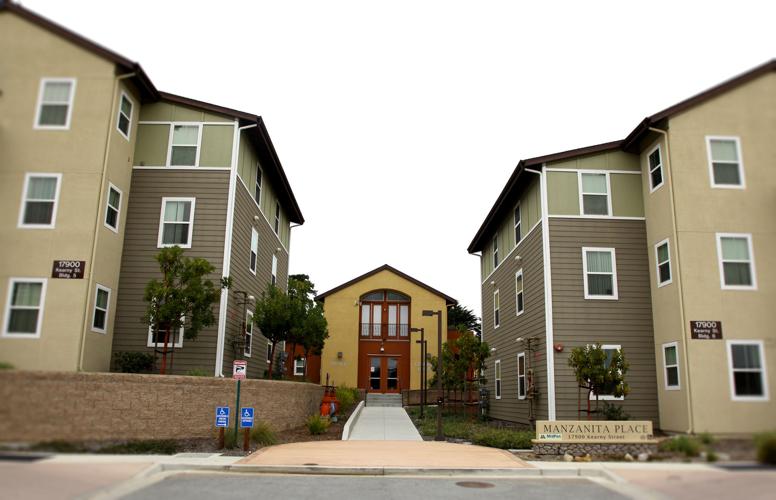
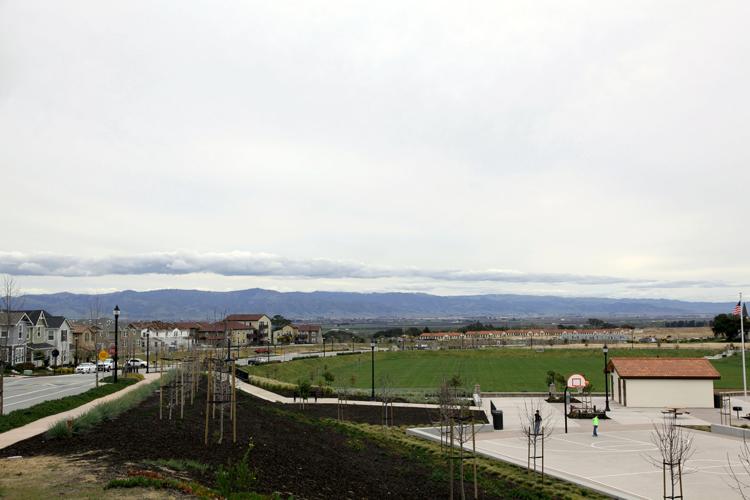
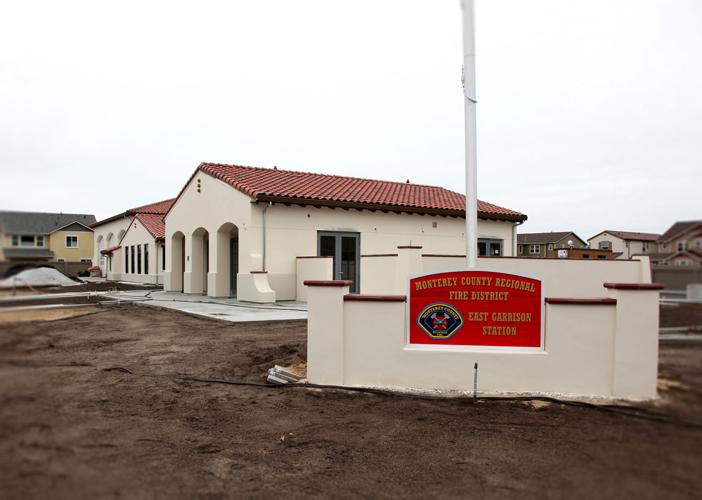
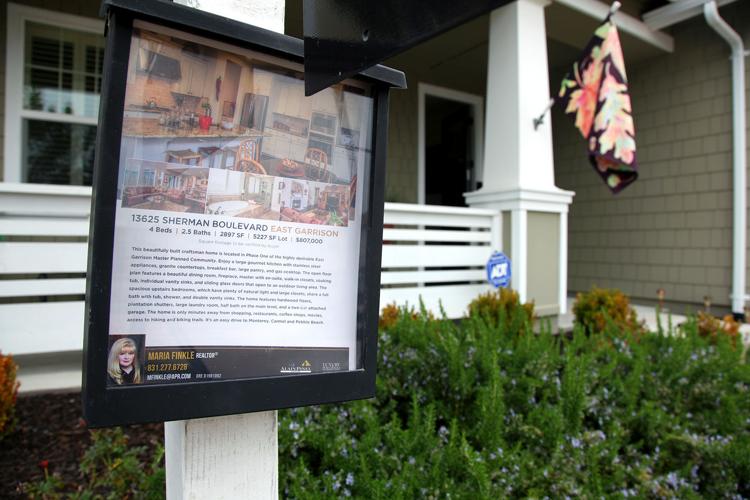
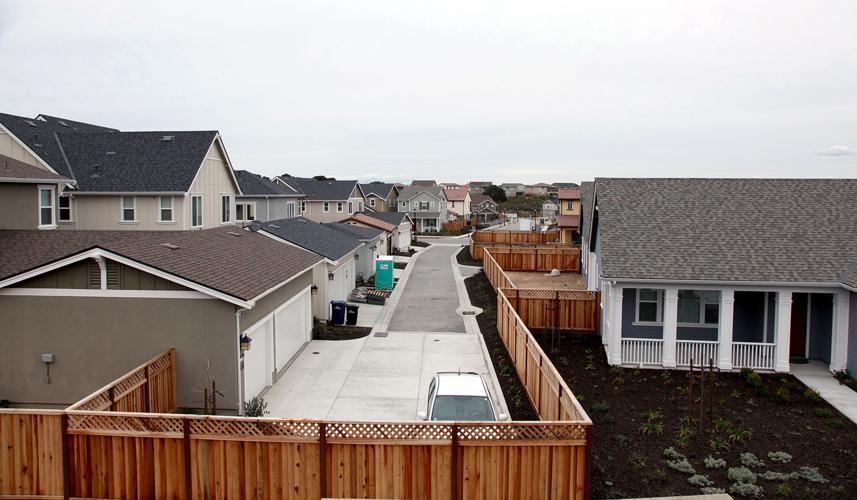
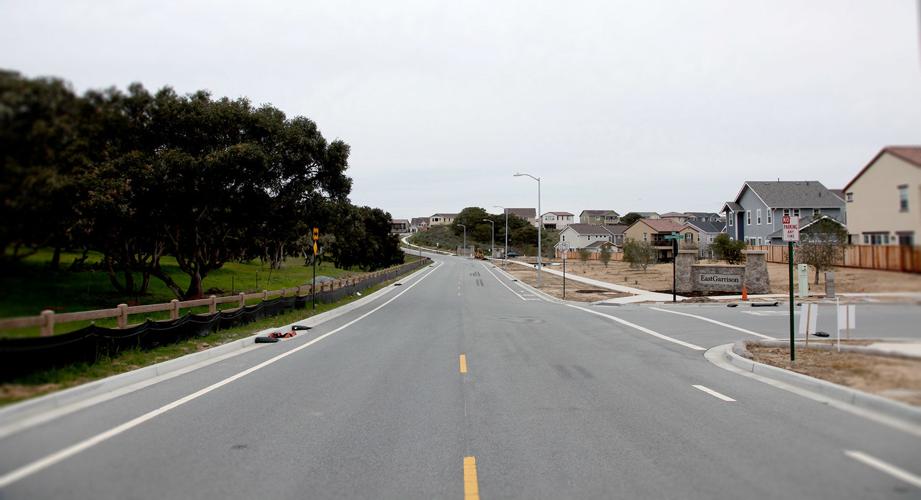
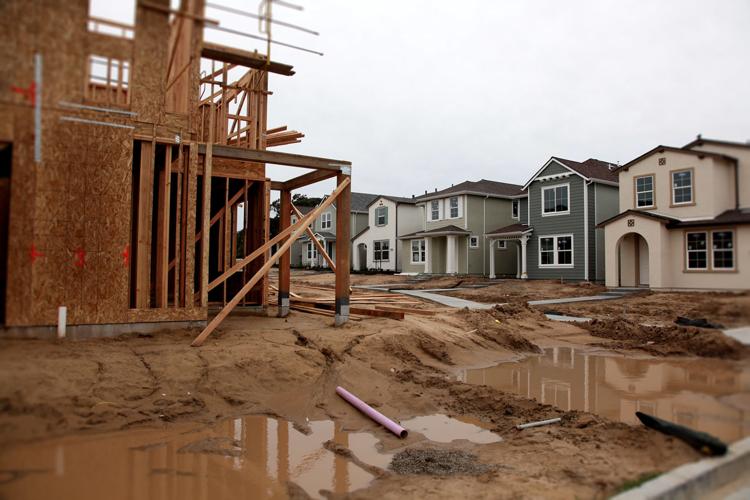
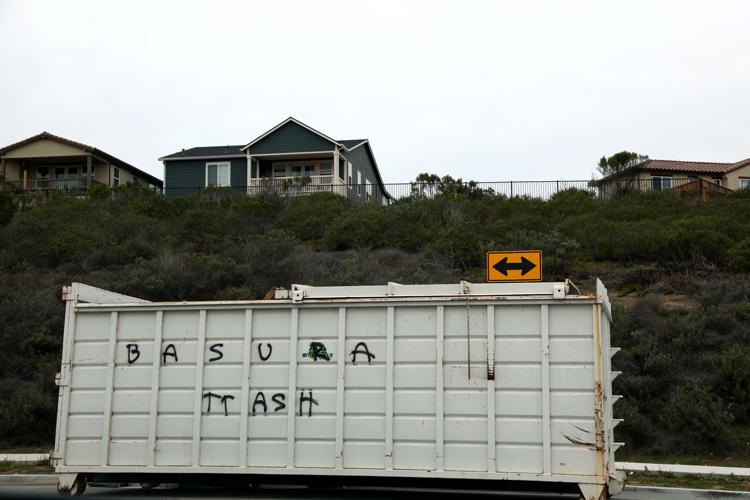
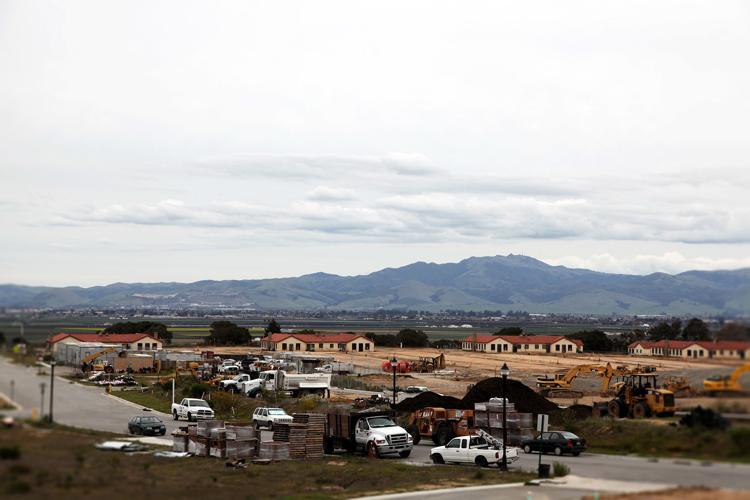
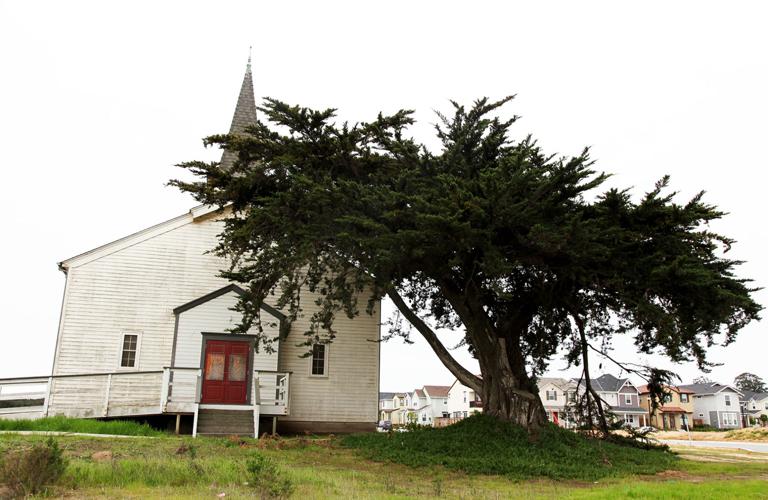
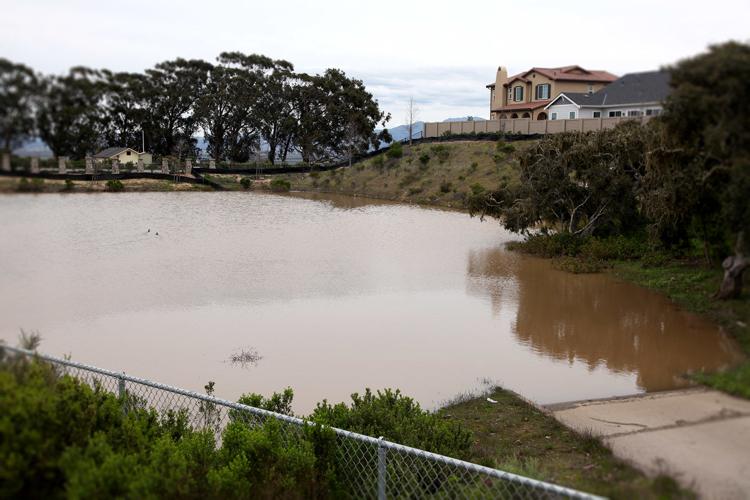
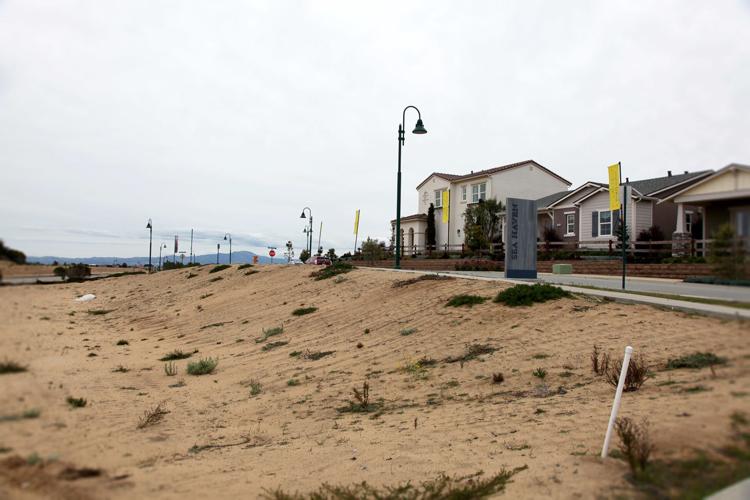
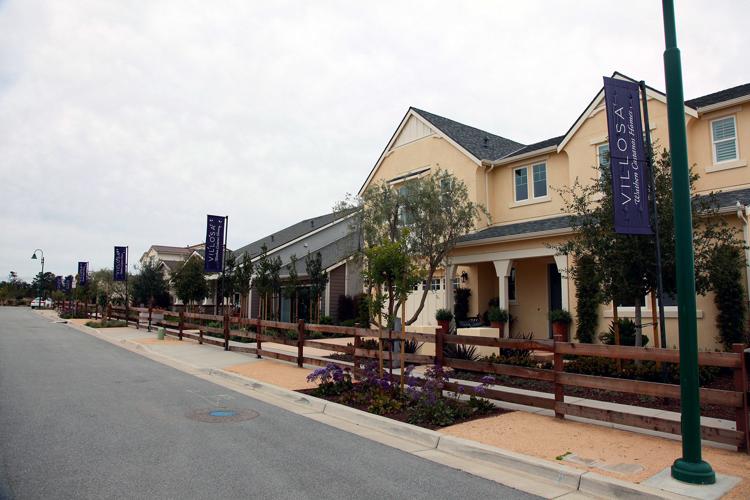
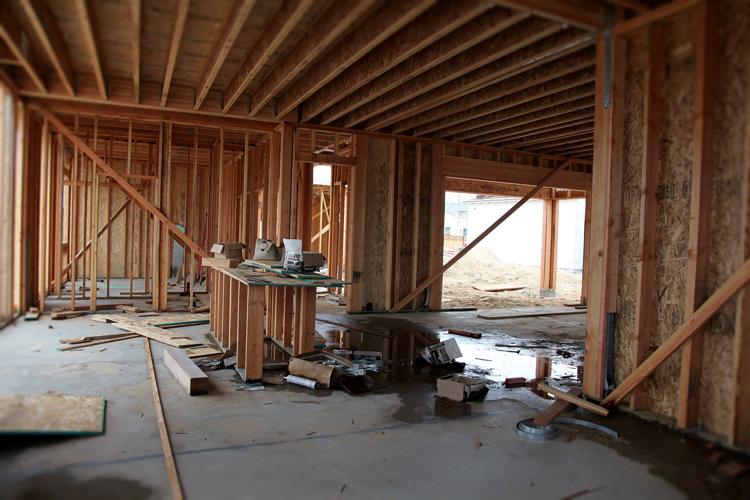
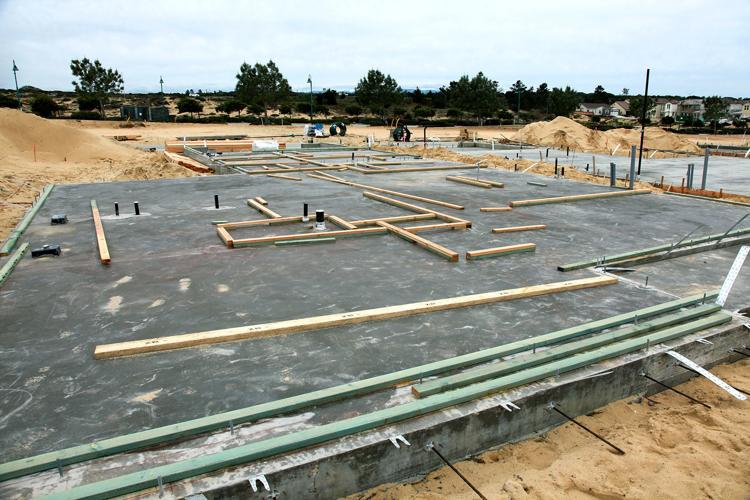
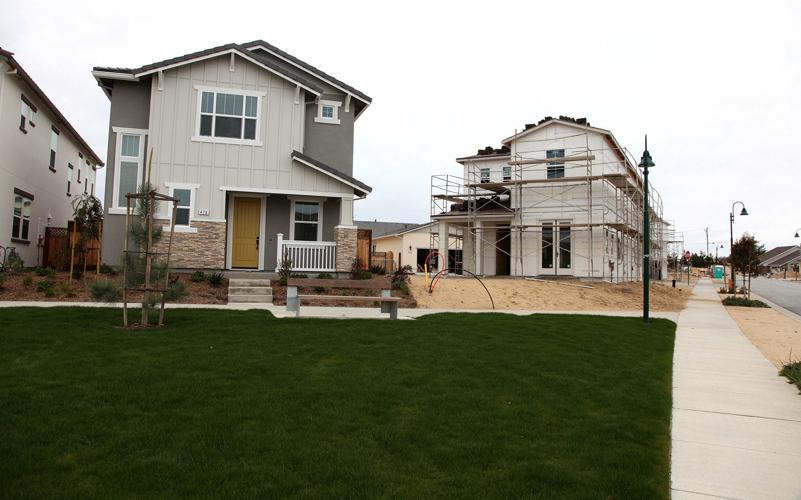
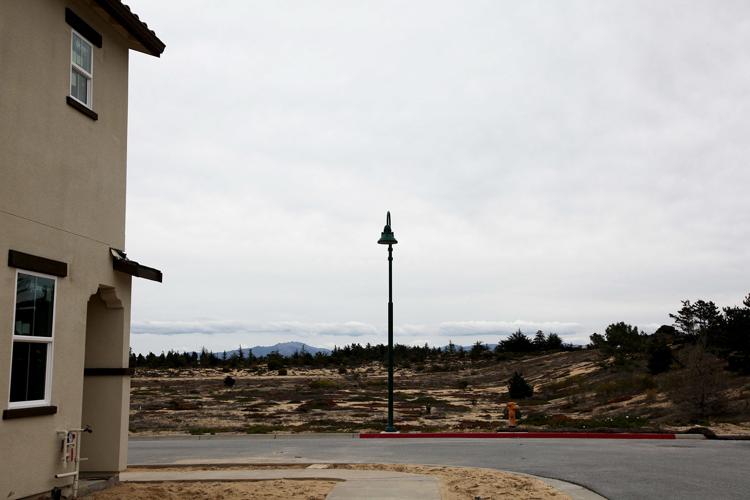
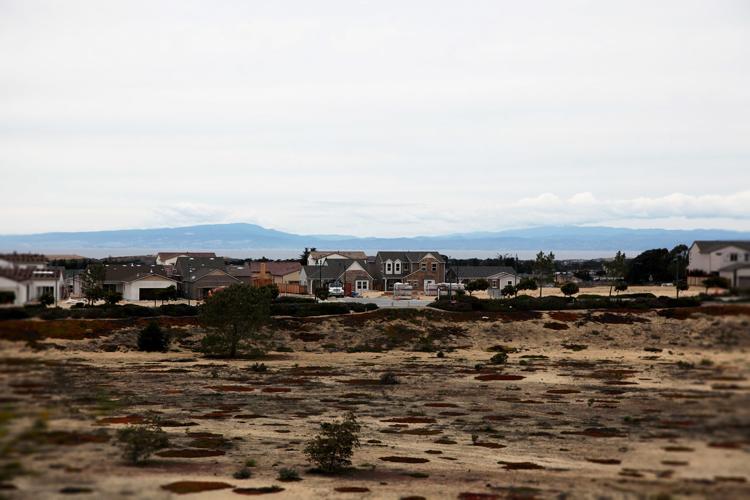
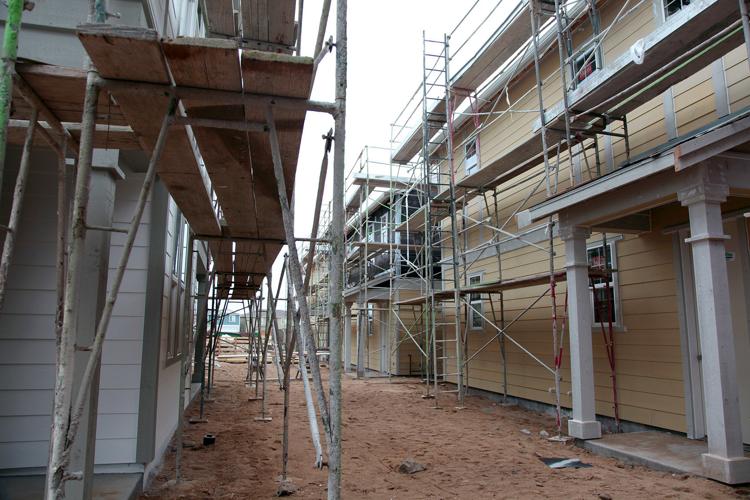
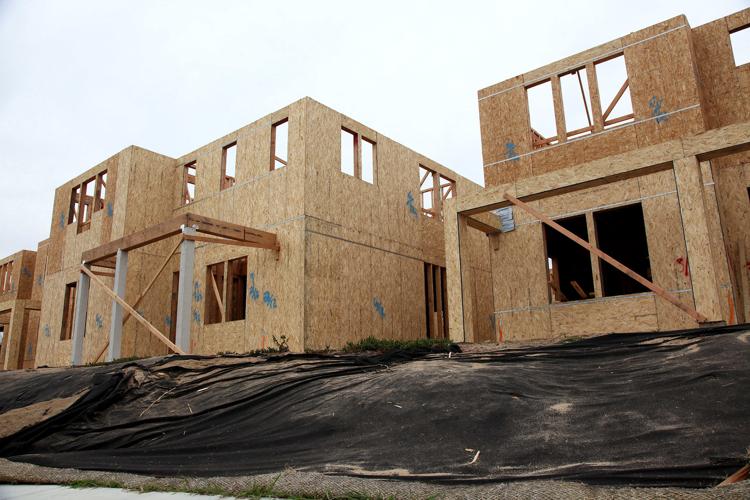
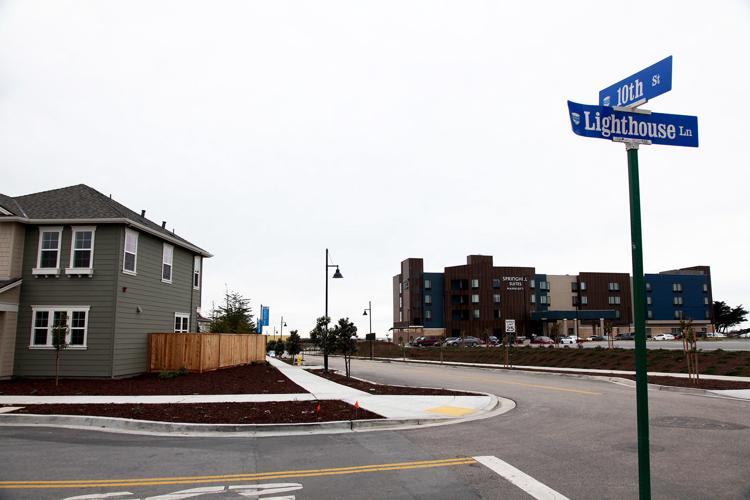
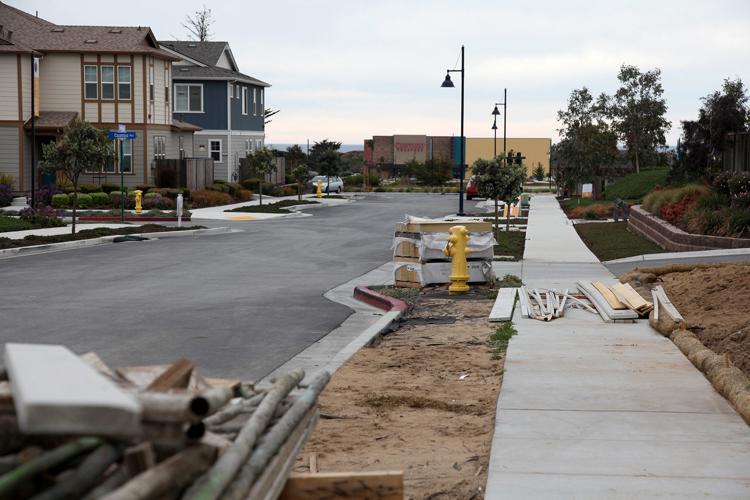
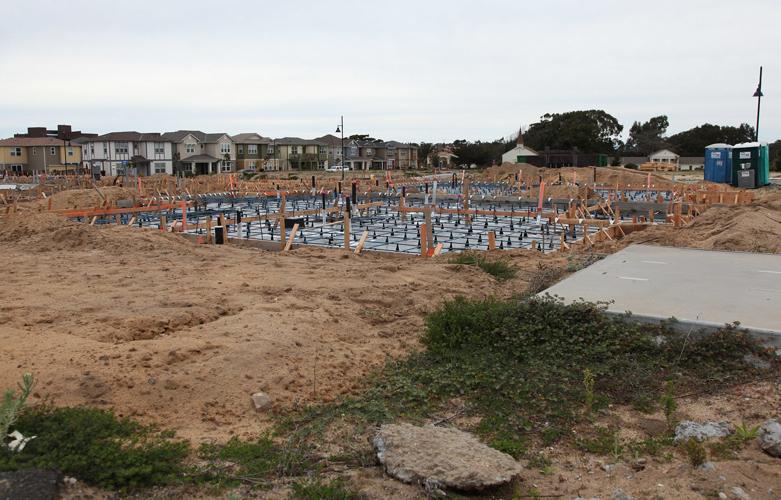
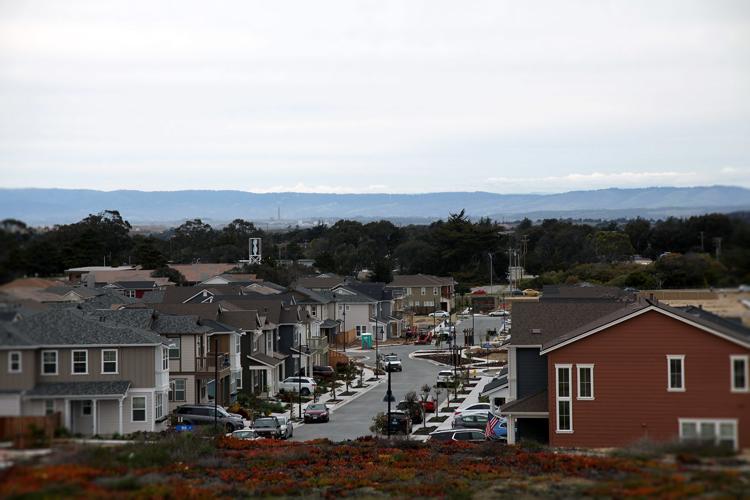
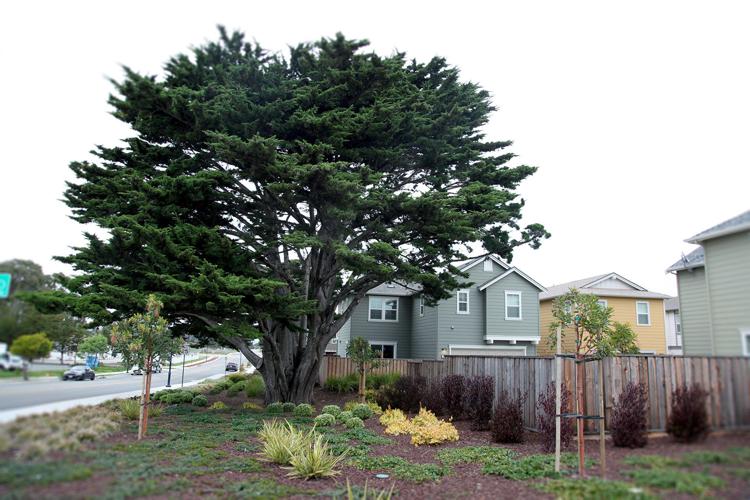
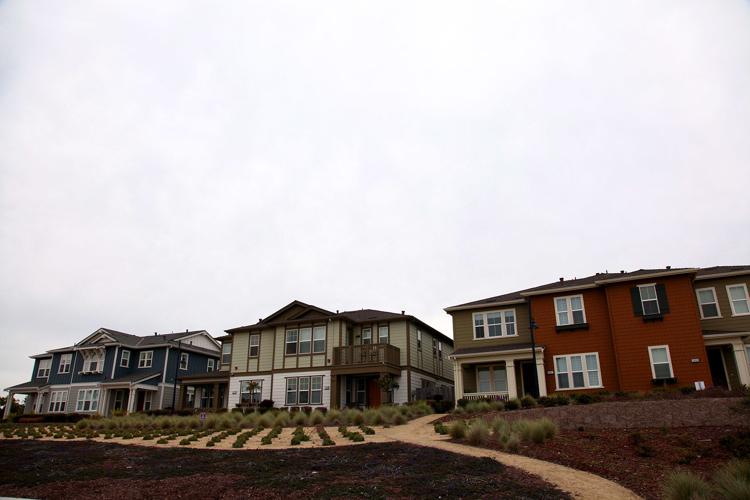


There are hundreds of houses being built in and around Marina in three master planned developments: The Dunes, Sea Haven and East Garrison. They spring up in uniform rows atop sandy lots, promising community and home. They’re like frontier towns. Sudden landscapes of trees and shrubs lining walkways with mathematical precision, brand-new domiciles sitting on the edge of windswept fields.
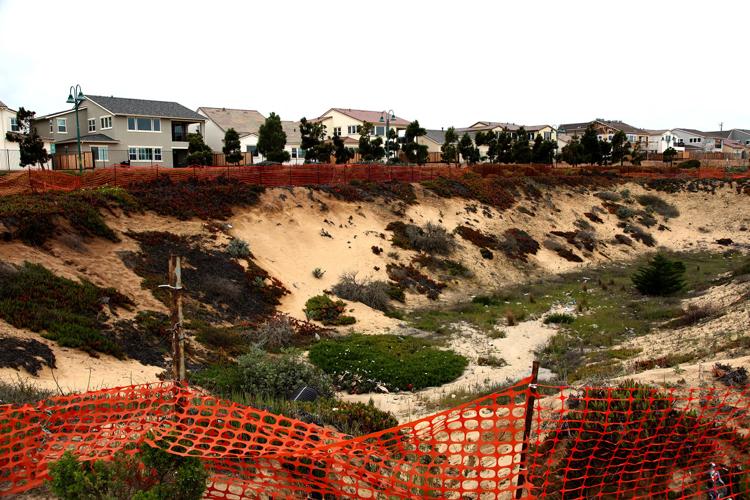
East Garrison is a geologic enclave, surrounded by Fort Ord maritime chaparral and oak woodland criss-crossed with trails, overlooking Salinas agricultural fields and the Salinas River.
Sea Haven is rising up in a sandy basin, shouting distance from The Dunes, abutting the affordable housing complex Abrams Park to the west, and the artery of Imjin Parkway to the south.
The houses on both developments are built close together, but surrounded by hilly, sandy, scrubby, foresty terrain – coveted “open space.”
The Dunes, being built by Shea Homes, has a motley crew of close neighbors: a SpringHill Suites by Marriott, Veterans Transition Center, The Dunes shopping mall, Monterey Institute for Research in Astronomy, a parking tarmac, sand and ice plant.
Its model homes dubbed Beach House are fully furnished and carefully decorated, the windows clear as oxygen. Framed stock photos of families adorn hallways. The plasma TV cycles through an infomercial about the attractive lifestyle such a house can grant. It feels as if the residents are just in the other room.
They aren’t, of course. On a sunny Thursday afternoon in mid-March, strolling outside on the unpeopled sidewalks, a visitor might wonder what life is like in this place that just came into existence. One answer lies a few blocks away, with three people sitting on a front patio, enjoying drinks and chatting.
They are Eessa Vanderspek, 22, a student of environmental studies at CSU Monterey Bay, and her parents, Liesbeth Visscher and Julius Vanderspek. Eessa and her roommates were the first to move into The Dunes. Her parents bought the four-bedroom duplex in which she lives for $630,000 three years ago when CSUMB had a serious student housing shortage. Shea Homes stepped up work to get it ready for move-in day.
“A few days later, we had neighbors,” Eessa says. In those early days, she continues, the daytime construction would shake the house, while the nights were stone quiet. Streetlights hadn’t gone in yet, and she would sit on the first-story roof and look at the night sky; one time a coyote trotted by as she was stargazing.
She and her roommates had trouble getting pizza delivered because their address didn’t show up on Google Maps.
Eessa has since built a life around her house. School is a 20-minute walk, the beach at Fort Ord Dunes is down the street (and across a highway overpass), she works on campus as well as at Bed, Bath and Beyond across 2nd Avenue, volunteers at the Bureau of Land Management across Imjin Parkway, and her parents are a few blocks away.
Eleven months ago, Liesbeth and Julius bought a Beach House just up the street from their daughter for $850,000. Asked why, Liesbeth looks up at the blue sky and says, “This.” Julius points in the direction of the ocean and says, “That.”
They lived in San Jose previously, but it was too hot and congested, so they came south for a better quality of life. They aren’t the only ones. Marina Mayor Bruce Delgado says that Bay Area transplants, second-homers and speculators are inflating the housing market.
“I’d say in our market, $200-400K is realistically affordable to many,” Delgado writes in an email. “Most homes are above this range, thus our conundrum of trying to provide affordable housing.”
He says 20 percent of The Dunes houses will be below market rate, and its 108 affordable rental units at nearby University Village have been occupied for several years – but it’s not enough.
“I know we are driving the prices up,” says Liesbeth, who worked in property management. “It’s sad. It’s very sad.”
They considered buying at East Garrison or Sea Haven, but settled on The Dunes partly for walkability. Liesbeth is one of the leads of its NextDoor.com page, and the couple are part of the homeowners association. There are signs that a neighborhood – maybe a community – is taking shape: “This past Halloween we had trick-or-treaters!” Eessa says.
She says more families are walking around, she’s seeing people at the bus stop on Imjin, and recently she found a lost dog that belonged to a neighbor.
Liesbeth and Julius are originally from Holland where there is a New Year’s Eve tradition to go outside at midnight and pour Champagne for your neighbors. This past New Year’s Eve, no one was outside at The Dunes; so now she’s telling her neighbors about it so that next time there will be. “We need some traditions here,” she says.
(See more photos, by Enid Baxter Ryce, of the three master planned developments by clicking on the arrows in the picture above.)


(0) comments
Welcome to the discussion.
Log In
Keep it Clean. Please avoid obscene, vulgar, lewd, racist or sexually-oriented language.
PLEASE TURN OFF YOUR CAPS LOCK.
Don't Threaten. Threats of harming another person will not be tolerated.
Be Truthful. Don't knowingly lie about anyone or anything.
Be Nice. No racism, sexism or any sort of -ism that is degrading to another person.
Be Proactive. Use the 'Report' link on each comment to let us know of abusive posts.
Share with Us. We'd love to hear eyewitness accounts, the history behind an article.