
Celia Jiménez here, thinking it was about time the Salinas City Council brought back the conversation about Measure G on March 24, a 1-cent sales tax voters passed in 2014. It has remained on my radar since the council postponed adding an extension of the tax to the ballot nearly two years ago.
On Tuesday, the council unanimously approved moving forward with adding Measure G to the Nov. 3 ballot and removing its sunset date (currently set to expire in 2030).
One of the reasons voters originally supported Measure G was for its promise to repair streets and sidewalks. Some people think the city has done a good job distributing the money, while others feel that not enough funding has been allocated for streets and sidewalks.
Measure G acts similarly to general funds, meaning it can be used for various purposes, including staff, buildings and parks. While some may view this as unfair, it gives the city flexibility in addressing changing needs.
During public comment, residents were both for and against removing the sunset date, while others, including councilmembers, demanded more transparency.
“I'm not in support of setting a sunset clause,” Councilmember Andrew Sandoval said, noting that Measure G funded the fire department and several key positions in the city.
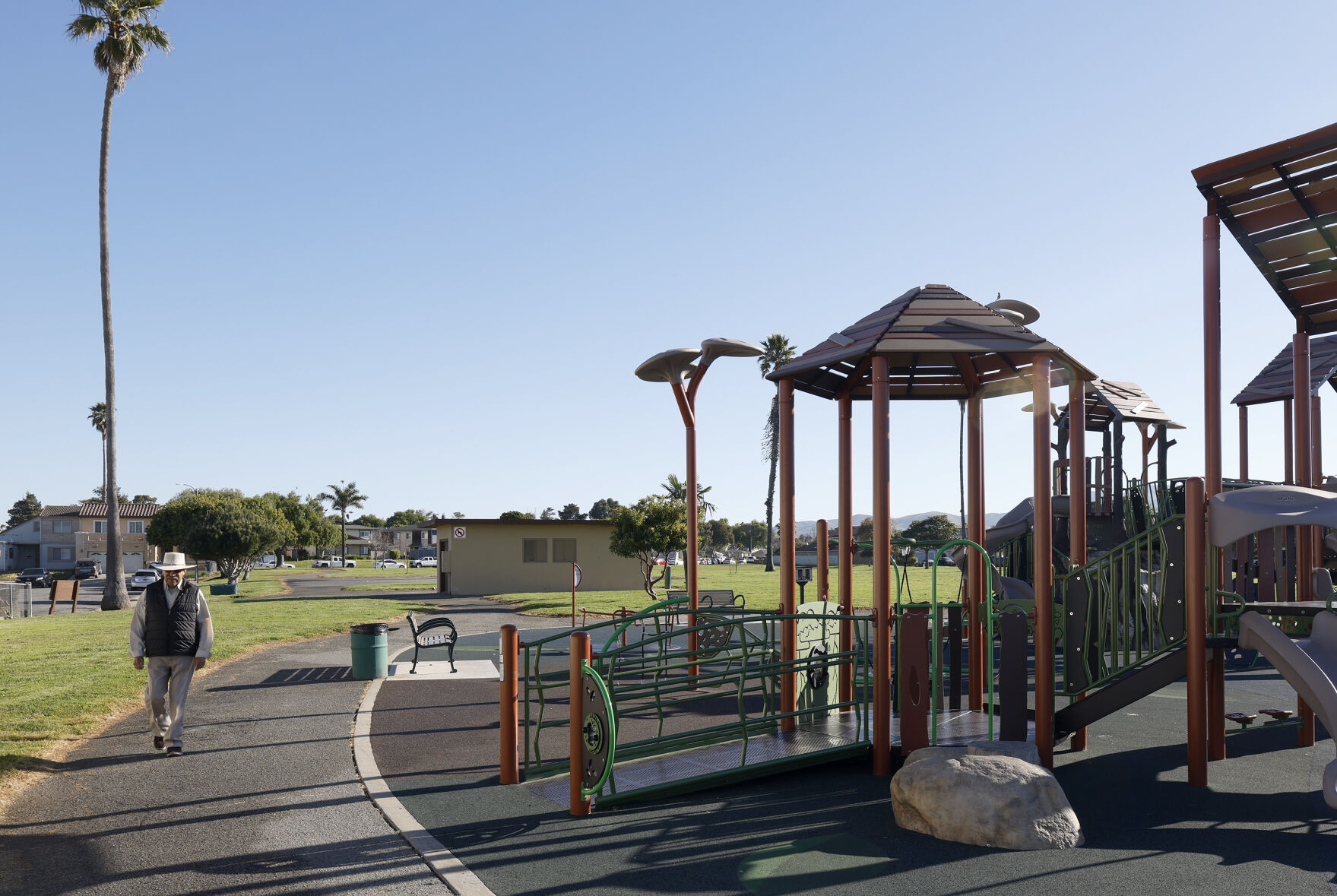
Currently, the measure funds 106.5 staff positions, including 29 for the Police Department and 38.3 for Public Works. It has also funded various projects in the city, including the Northgate Dog Park, Boronda Road traffic relief and the Cesar Chavez soccer field.
“These are things that directly impact the quality of life in the long term, the strength of our city,” Measure G committee member Jacob Sandoval said during the March 24 meeting.
Mayor Dennis Donohue said Measure G is key to having financial stability in Salinas and attracting potential investors. City officials expect a 21-percent reduction, or nearly $48 million, in the 2030-2031 budget if the measure doesn’t pass.
“We're not asking for more money. We're just asking to maintain what's currently in place,” Donohue noted.
I wonder if postponing this decision two years ago was a good choice.
In 2024, 71 percent of Salinas residents said they would vote yes on Measure G compared to nearly 58 percent today (2026 results are preliminary, however, and the city’s consultant will conduct another survey at a larger scale).
While the number has decreased 13 percent, it’s still above the 51 percent threshold required to pass—just not as comfortably as in 2024.


(0) comments
Welcome to the discussion.
Log In
Keep it Clean. Please avoid obscene, vulgar, lewd, racist or sexually-oriented language.
PLEASE TURN OFF YOUR CAPS LOCK.
Don't Threaten. Threats of harming another person will not be tolerated.
Be Truthful. Don't knowingly lie about anyone or anything.
Be Nice. No racism, sexism or any sort of -ism that is degrading to another person.
Be Proactive. Use the 'Report' link on each comment to let us know of abusive posts.
Share with Us. We'd love to hear eyewitness accounts, the history behind an article.