Jerrold Lomax’s home and office is tucked into a quiet Sand City street lined with squat, forgettable buildings that disappear into the neighborhood’s industrial backdrop. But Lomax’s place sticks out, a concrete behemoth with a stylish, blocky facade and columns of windows that look like solar panels. It’s so distinct, passersby sometimes notice it from nearby Highway 1, visible from the building’s panoramic third-floor outlook.
Lomax, an architect who designed the building, owns one spacious condo, while the rest of the property is divided among residents and commercial offices. I’m visiting him to learn a bit about modern architecture, the subject of a massive design conference hitting Monterey on Sept. 26.
The Monterey Design Conference, from Thursday to Sunday at Asilomar in Pacific Grove, will bring hundreds of architects and designers to the county to discuss modern architecture, says Karen Lesney, a committee member and local liaison for the conference. It’s been held here every two years for more than 30 years. A locally-focused modernism series will be paired with the conference, bringing a community flavor to the world-renowned event.
All this talk about “modernism” can be confusing for people with no art background. Lomax and Lesney explain: Modern architecture is a style of architecture that touts simplicity and minimalism, stressing the importance of clean lines and functional decor. It isn’t to be confused with “contemporary” architecture, which is simply put, the architecture of the present. Modern architecture has its roots in the early 20th century and can be linked to modernism, the broader art movement.
“My use of [modern architecture] is to try to get as many clean lines as possible and interesting faces that’ll make people stop and look and realize there’s something refreshing,” Lomax says.
That explanation can be pretty nebulous without actually seeing a work of modern architecture. Walking into Lomax’s place is a good example. The building’s facade is mostly unadorned concrete, with a punchy accent of red paint lining some of the windows. The stairwell has a dingy basement-like feel, except each step up a cylindrical staircase is made of fine wood—a somewhat jarring contrast. Stepping into Lomax’s home at the top of the steps, you’re struck with a neatly presented, minimalist space, that looks like it could be in a interior design catalogue. The walls are stark white, lined with abstract paintings of colors and shapes, while much of the other furniture—like the bookshelves and table—are black. Lomax himself is dressed, in a manner appropriate for an artist, in black pants and a collarless, white long-sleeve shirt. His cat is also, not surprisingly, black and white.
Though the home is clearly decorated, Lomax insists that it isn’t actual “decoration.”
“Everything is there for what it’s doing,” he says. “Decoration is adding to that—unnecessary things.”
The surprising thing about Lomax’s Sand City business—and the fact that Pacific Grove is hosting the Monterey Design Conference, which focuses largely on modern architecture—is that Monterey isn’t exactly a county renowned for it’s modernism. That style is more popular in Los Angeles and the San Francisco Bay Area.
Lomax says he’s disappointed in the overall lack of modern architecture in Monterey, which adheres more to a traditional Spanish Mediterranean style. The problem is, he says, that the true Spanish style is so watered down in many of the buildings there’s a loss of aesthetic.
“The Peninsula is a beautiful palette that has not been able to be fulfilled in a modern context,” says Lesney, the conference liaison.
Lomax, 86, came here from L.A. thinking, “If I build it, they will come”—and he says he’s seeing a slow increase in interest. But there are some challenges like city design codes that restrict how buildings can look.
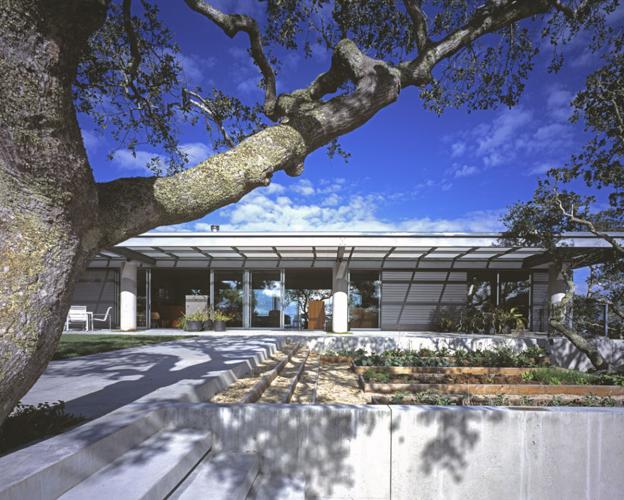
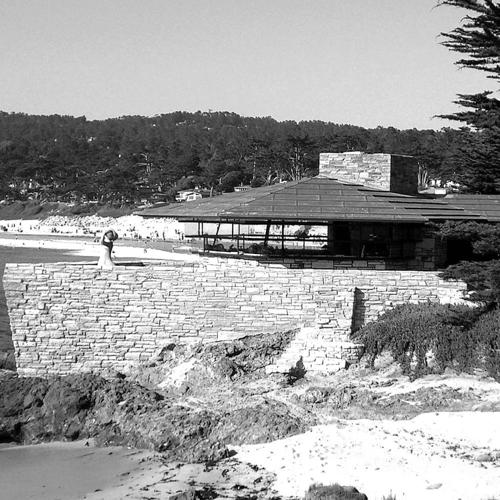
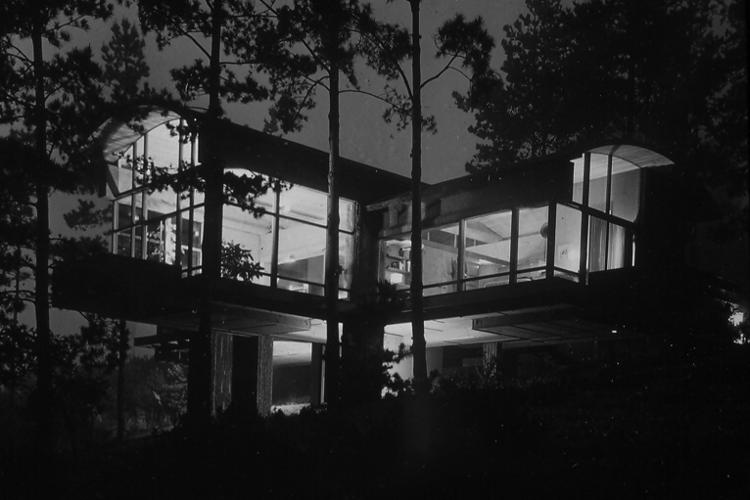
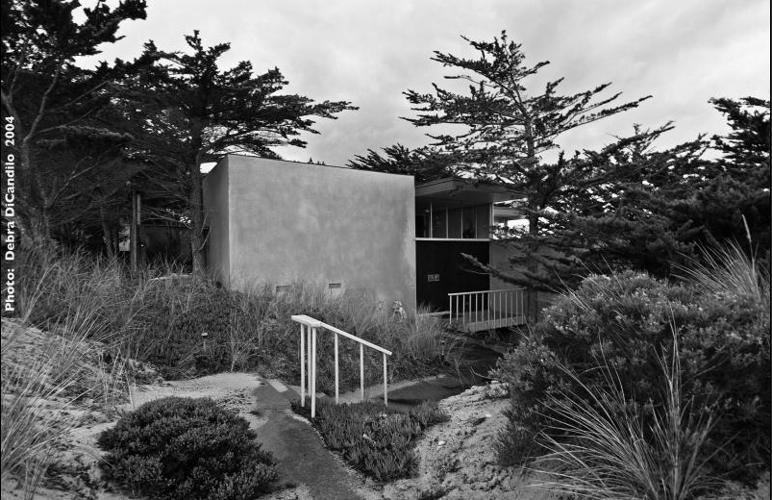
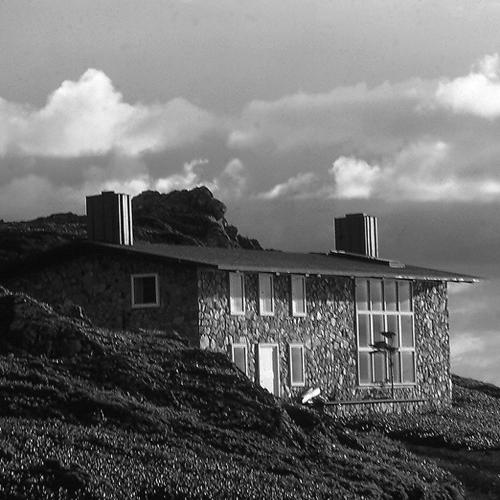
Nevertheless, there are several examples of modern architecture in the area (see photos above), the Weekly offices in Seaside being one of them.
"Many examples have been as far back as the late 1920s," says Lomax. "But it's never really had that much impact."
Included in this year’s design conference are a couple of local happenings: a home tour of nearby modern architecture and the Art + Architecture Lecture Series. These events will allow outsiders to see what’s happening on the ground, and locals to be introduced to the wider world of architecture, Lesney says.
“Our lectures have always been in part to illustrate that our backyard is the perfect place for [modern architecture] to happen,” Lesney says. “I think Monterey is something special.”
As for rest of the conference, there will be presentations from big names from Japan to Brazil, including one by San Francisco-based Anne Fougeron who’s done work in Big Sur.
From Lomax’s perspective, a lot of aesthetic has been lost in the Peninsula. He hopes to bring some tastefulness back with the technique of his choice: modernism. One great example is his own office, surprisingly urbane for often-quaint Monterey.
“My hope is that an acceptance is coming about, both for art and architecture,” Lomax says.
Updated Sept. 26, 2013 10:36am


(0) comments
Welcome to the discussion.
Log In
Keep it Clean. Please avoid obscene, vulgar, lewd, racist or sexually-oriented language.
PLEASE TURN OFF YOUR CAPS LOCK.
Don't Threaten. Threats of harming another person will not be tolerated.
Be Truthful. Don't knowingly lie about anyone or anything.
Be Nice. No racism, sexism or any sort of -ism that is degrading to another person.
Be Proactive. Use the 'Report' link on each comment to let us know of abusive posts.
Share with Us. We'd love to hear eyewitness accounts, the history behind an article.