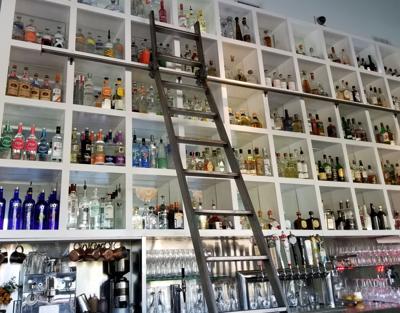

Remember the good old days? Guys like Don Draper downing four or five martinis during lunch before weaving his car back to the office to flirt with…
OK, forget that example. I mean the good old days. You know, the bathtub gin, the watered down speakeasy…
Um—perhaps this “good old days” thing is a myth, at least when it comes to real life. But in cocktail terms, there was a golden era, right? Before Prohibition —and despite wars, colonization, flu epidemics and such—bartenders invented drinks that were to become standards for decades: the Manhattan, the sidecar, the negroni, martini, gimlet, Singapore sling and so on.
If one were to, say, construct a classic cocktail timeline, it would suggest a heyday of sophistication that somehow floundered in a pool of tepid mixed drinks and fizzy wine coolers. For three decades—a period extending into the early 2000s—cocktail culture withered, falling prey to slushy “margaritas” and vodka masquerading as martinis as syrupy or simple drinks rode a wave of popularity.
Lisa Livingston, bartender at Silver Tide Bar & Grill in Seaside, credits hipsters—of all people—for resurrecting the refined cocktail. According to her version of the timeline, young people wanting more than sappy drinks and aware of the classics began ordering proper martinis and demanding fresh squeezed lime in their margaritas. Manhattans followed. Gimlets were rediscovered.
“They’ve challenged us,” she says.
So there was more to the hipsters than ugly beards and porkpie hats, after all. Only now—following a decade of rediscovery (and a shameful “mixologist” phase)—the creative juices appear out of control. The menu at Waypoint Bar & Deck at Quail Lodge, for example, features the “where y’at sazerac,” which involves a burnt lemon peel. The Cork & Plough in King City prepares a duck fat version of the same classic, with a meaty spine from a duck fat wash. Some list herbs, others vegetable syrups and many come with catchy names.
“We’re trying to pay homage to the classics,” explains Sam Flynn, a bartender at Tarpy’s Roadhouse in Monterey. The new summer bar menu includes the “getaway car,” which is a take on the sidecar, and one called “gone with the gin.”
“Every bar has to continuously evolve,” he explains. “The industry is changing so rapidly.”
Indeed, data show a growing demand for clever, modern twists on the classics. According to the Wall Street Journal, sales of spirits—the building block of cocktails—jumped 2.6 percent in 2016 in the U.S., double the increase seen in the wine market. Something called the Technomic MenuMonitor found the mention of spirits on menus increased 5.5 percent in 2017. And one report found that specialty cocktails have even reached the family-dining chain level.
In such a milieu, adds Santiago Quintero, a bartender at Lalla Grill in Monterey, “bars need a signature drink to keep it interesting.”
Which brings us to this week’s Burning Question: Will today’s cocktail creativity ever end?
“Absolutely not,” Livingston says. In fact, she has been drilling over the past few weeks for an upcoming competition and, in the process, came up with two new cocktails for the bar, located inside the Embassy Suites. “It’s nice to be able to show off your skills.”
“Everything has been done before, so people evolve the recipes,” Flynn agrees. “You constantly develop those drinks into more interesting drinks.”
Hence the inclusion of elderflower liqueur, freshly picked rosemary, exotic juices and overlooked spirits (think schnapps...although no one really thinks schnapps). And all of this creativity behind the bar is working, driving interest in small batch bourbons, high end tequilas and gins with unique botanical blends. According to a study by MarketResearch.com, demand for spirits in this country is expected to creep up 2.2 percent each year through 2020. This, the company added, amounts to 580 million gallons.
That’s a lot of Corbin Cash Merced rye, Aperol and Noninno Quintessential amaro—the foundation of Tarpy’s “cash me on a plane.”
Besides, bartenders have always given their drinks a personal touch. One might lean a little more heavily on whisky than simple syrup. Another could replace Peychaud’s with Angostura bitters. Flynn observes that he favors less alcohol bite, while fellow bartenders prefer to show off the spirit. And just based upon availability of ingredients from place to place, recipes change.
“There’s probably not two Bloody Marys that are the same in the whole world,” Livingston points out.
So even in the golden age, cocktails evolved, the changes forged by personal taste or regional differences. With mint and bourbon, you have the start of a julep. Mint and rum? Well, you’re on your way to a mojito. The important thing nowadays, Flynn says, is to honor tradition, even as you give it some flair.
The answer to this week’s question is simple: There is no let up in creativity, and we should be thankful. The cocktails bartenders create are quite good, with the seasoned ones knowing how to complement and layer flavors, giving the drinks nuance that eluded bartenders of yore.
In other words, these are the good old days…um, when it comes to cocktails, I mean.


(0) comments
Welcome to the discussion.
Log In
Keep it Clean. Please avoid obscene, vulgar, lewd, racist or sexually-oriented language.
PLEASE TURN OFF YOUR CAPS LOCK.
Don't Threaten. Threats of harming another person will not be tolerated.
Be Truthful. Don't knowingly lie about anyone or anything.
Be Nice. No racism, sexism or any sort of -ism that is degrading to another person.
Be Proactive. Use the 'Report' link on each comment to let us know of abusive posts.
Share with Us. We'd love to hear eyewitness accounts, the history behind an article.