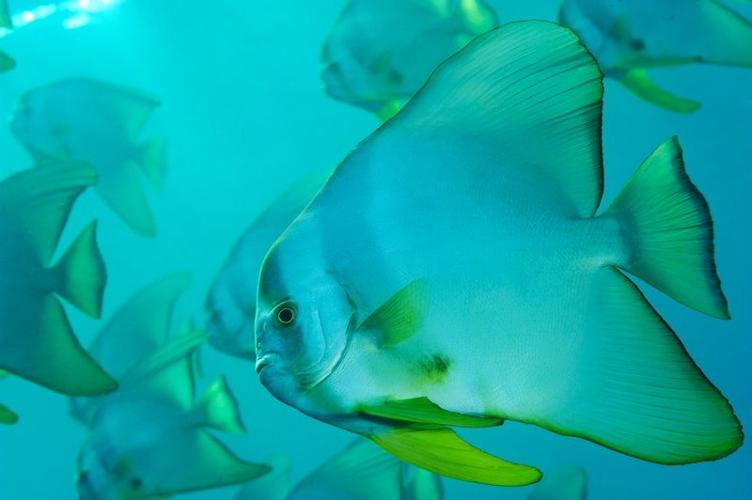
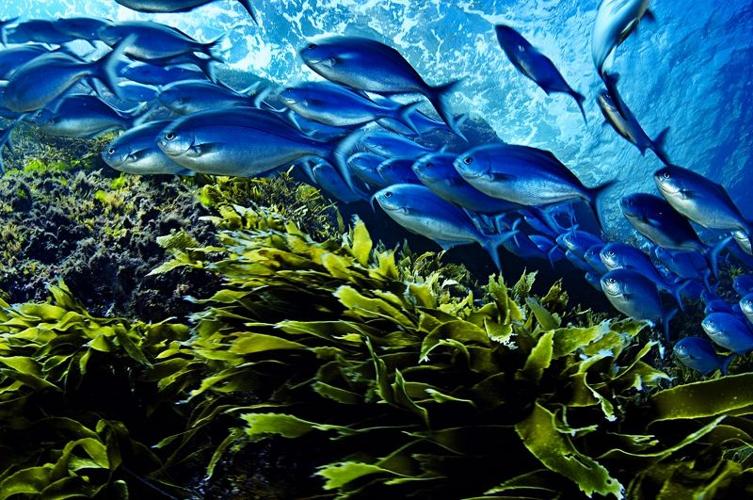


Wow. This hyper-crisp photograph of a spadefish—translucent and blue like the water behind it, with bright yellow fins and a black lateral stripe—looks like it was taken in something resembling an underwater portrait studio.
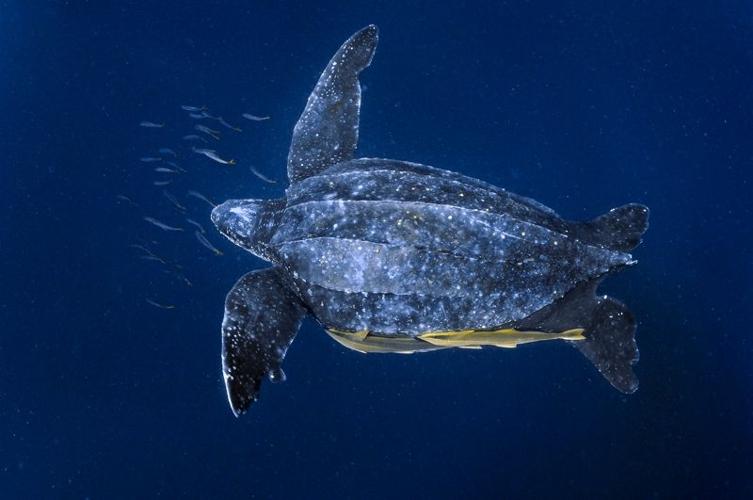
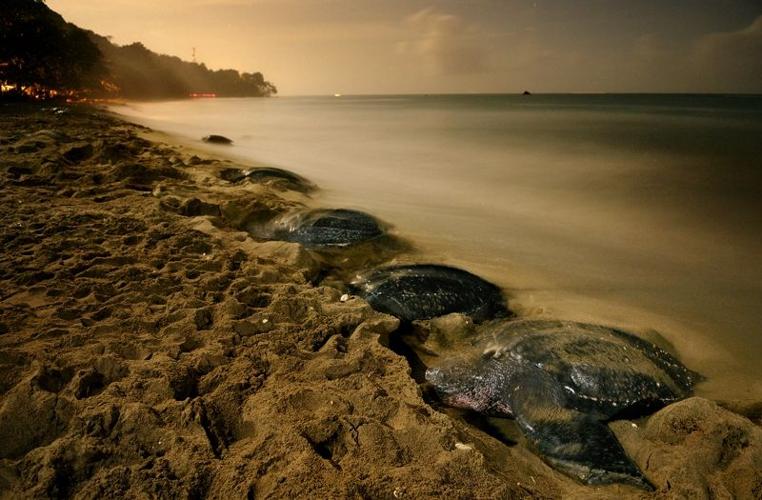
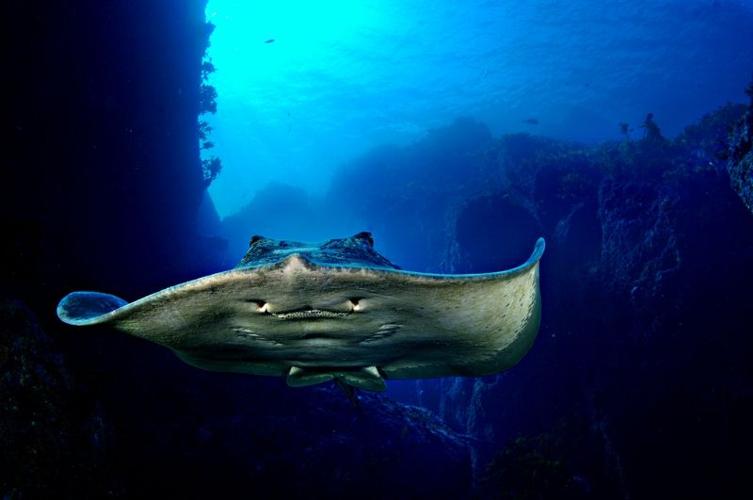
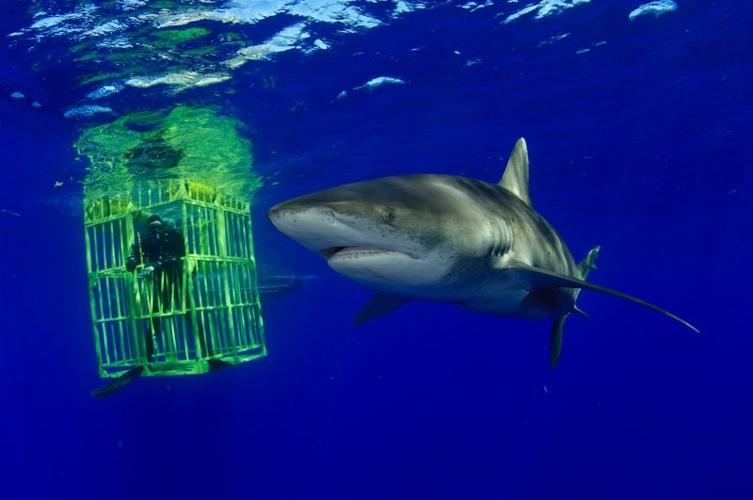
A lot of Brian Skerry’s images have that effect.
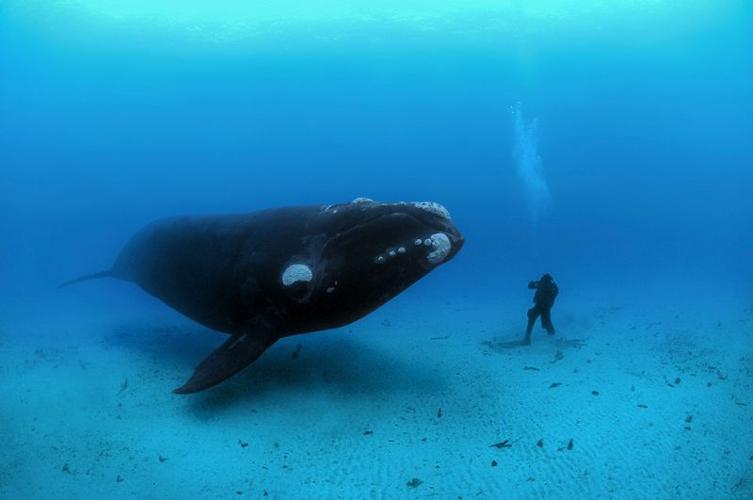
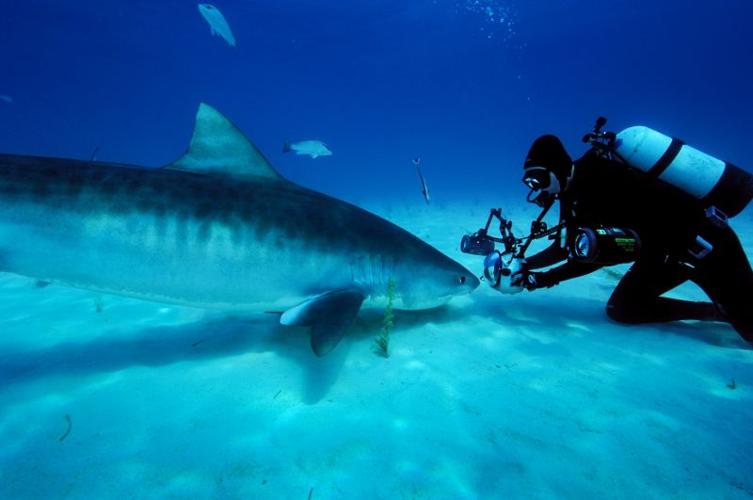
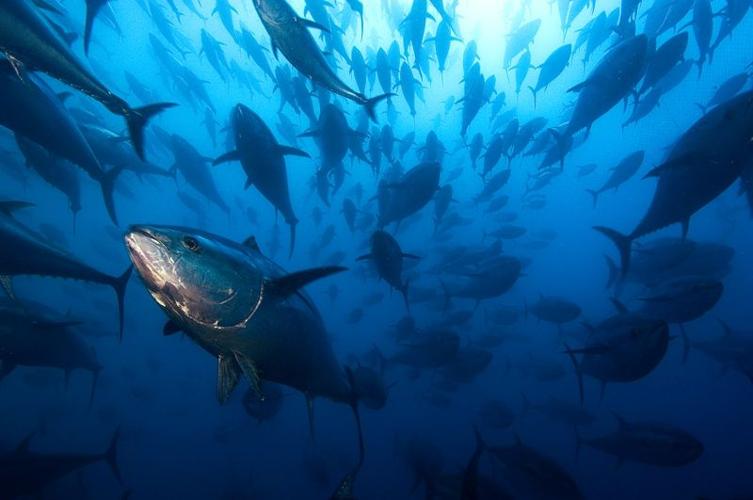
The angles, the clear focus, and the illuminated colors of his underwater subjects portray an oceanic beauty that 99 percent of the world would never see if it weren’t for his daring and skill.
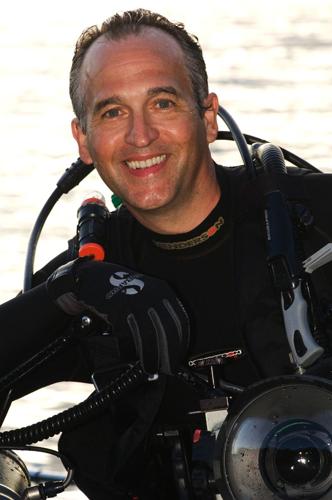
Skerry speaks tonight at Monterey’s Golden State Theater after decades as a photographer for National Geographic, Smithsonian Magazine and others.
As David Schmalz writes in "The National Geographic photographer captures images that steal your breath and break your heart," his work has taken him from a place of awe to stewardship.
He waits patiently for the life around him to arrange itself, so that he can capture a rare raw, natural beauty.
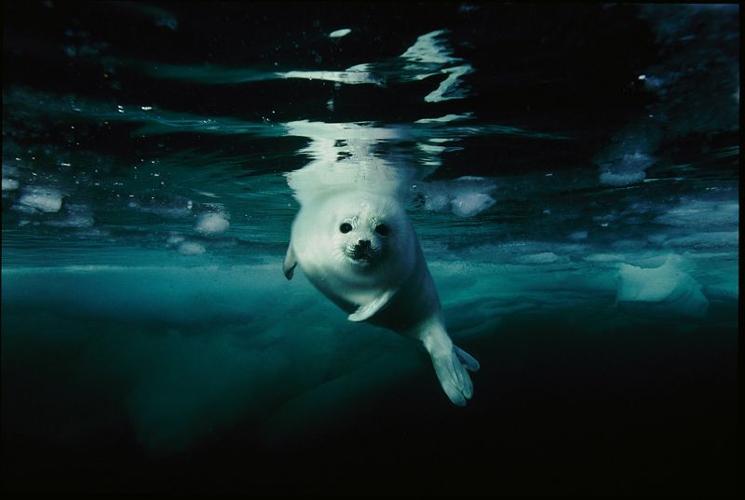
What’s more, he isn’t able to use a telephoto lens underwater because of debris, so Skerry really is that close to those fish. Or to that manatee. Or to that seal pup.
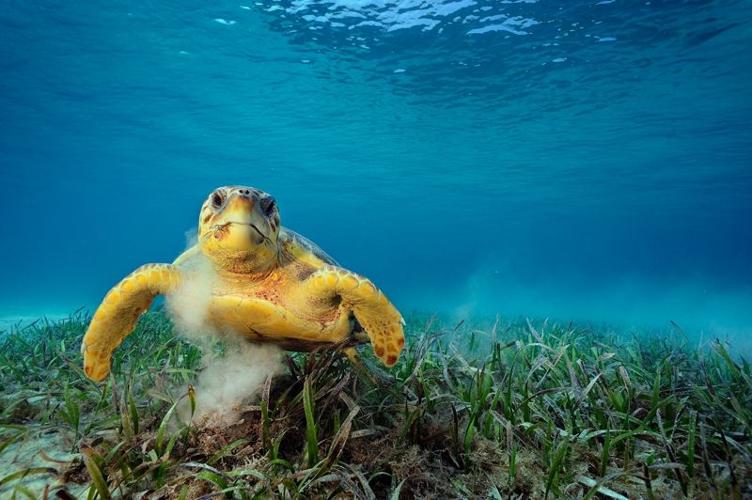
One of his images portrays a loggerhead turtle, complete with the typical crotchety, serene facial expression of an old sea turtle. The water behind is bright blue, the sea grass below bright green, and the bright yellow turtle contrasts beautifully with it all.
The clarity of the turtle’s body and face reveals the unique scale pattern of red-brown on its face and flippers. The strength of these details greatly pleases scientists and artists alike.
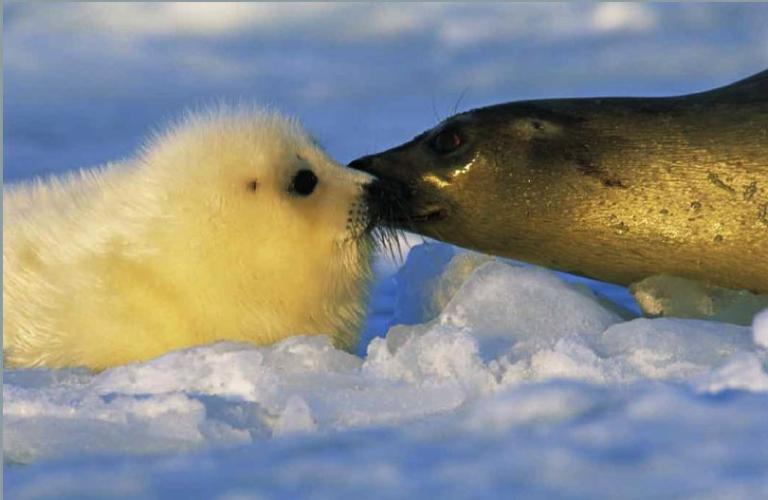
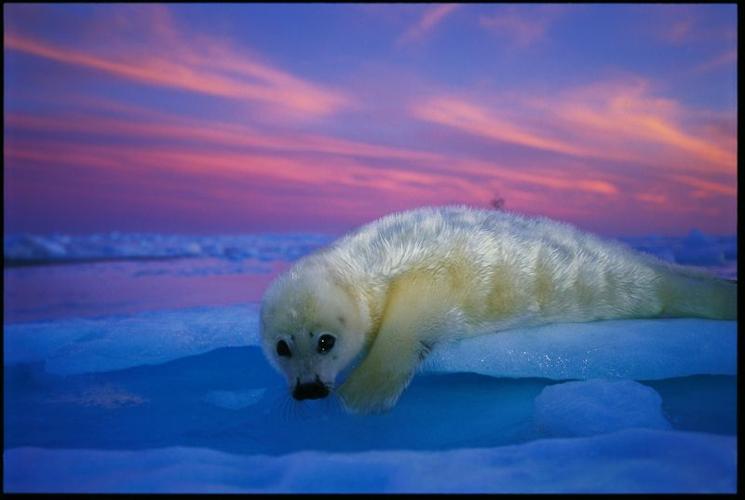
One of his above-ground shots captures a once-in-a-lifetime moment, as a harp seal touches a pup with his nose, in something resembling a kiss. The furriness of the baby seal pup is enough to win anyone’s heart.
And that’s exactly Skerry’s mission. In addition to his photography, he is well-known for his captivating speeches.
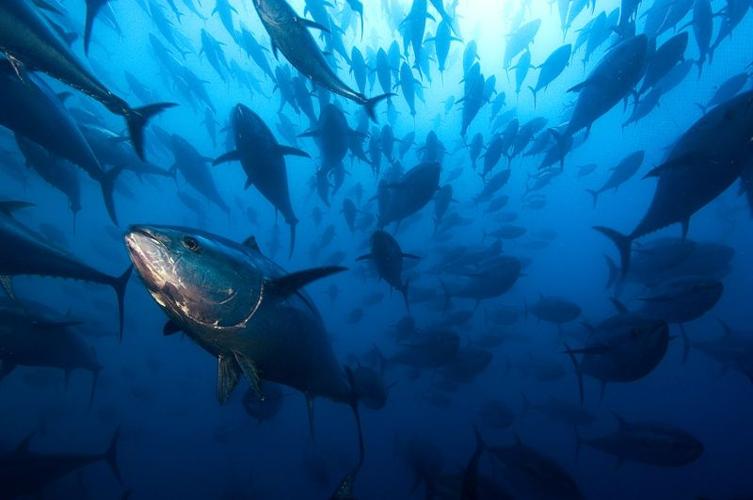
He’ll cite the loss of 50 percent of the world’s coral reefs, or the loss of 90 percent of the world’s big fish since he started photographing in the 70s.
And only 1-2 percent of the world’s oceans are environmentally protected. No preaching, just fact.
With his photos and his facts, Skerry has changed the world. Now he's hoping they can bring it slightly closer to what it was 40 years ago.
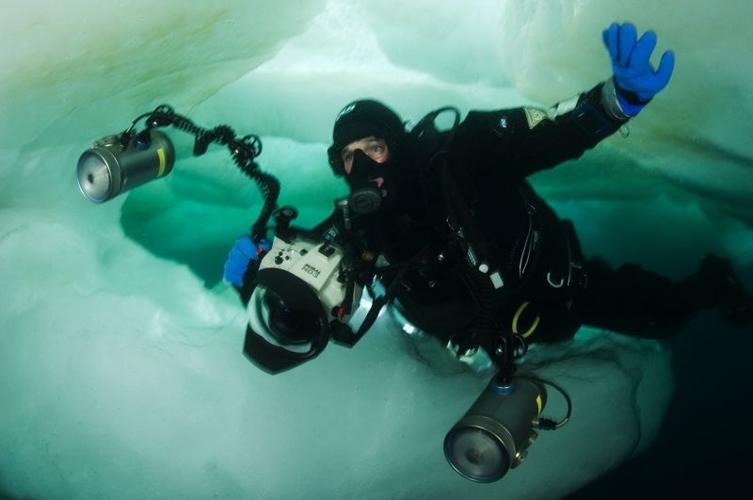
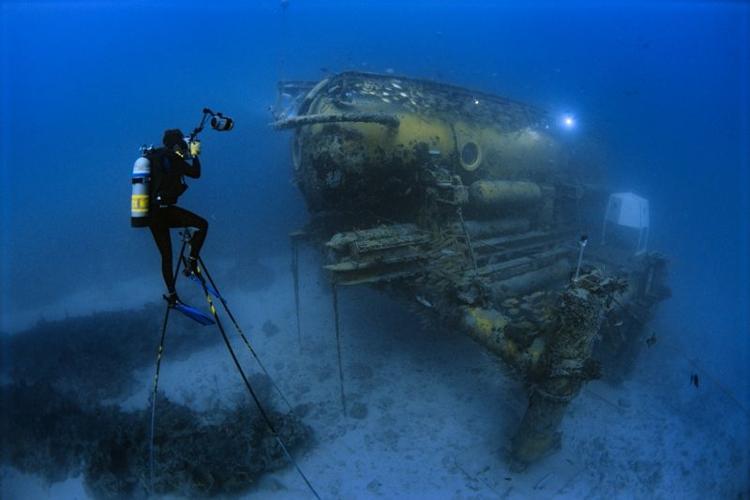
I’m looking at a photo of Brian Skerry underwater, photographing a habitat as he hangs onto a giant underwater tripod to stabilize the shot. He works hard and long at one of the coolest jobs in the world. I’m excited to hear what it’s like.
~~~
Monterey, Naturally, is a summer blog series by editorial intern Kristen Stipanov. Blog installments will appear about once per week, and will focus on the natural world as a jumping-off point for thoughts on a summer spent in Monterey County. Stipanov is a self declared heavyweight backpacking guru who spends much time with her digital camera, Lucy, and her film camera, Vesper. Her photo adventures and other contributions are made possible by the Rebele Internship Program, sponsored by Stanford University Department of Communications. The program is designed to both encourage aspiring journalists and strengthen community journalism, by enabling undergrads to gain experience at exceptional print newspapers across the country.


(0) comments
Welcome to the discussion.
Log In
Keep it Clean. Please avoid obscene, vulgar, lewd, racist or sexually-oriented language.
PLEASE TURN OFF YOUR CAPS LOCK.
Don't Threaten. Threats of harming another person will not be tolerated.
Be Truthful. Don't knowingly lie about anyone or anything.
Be Nice. No racism, sexism or any sort of -ism that is degrading to another person.
Be Proactive. Use the 'Report' link on each comment to let us know of abusive posts.
Share with Us. We'd love to hear eyewitness accounts, the history behind an article.