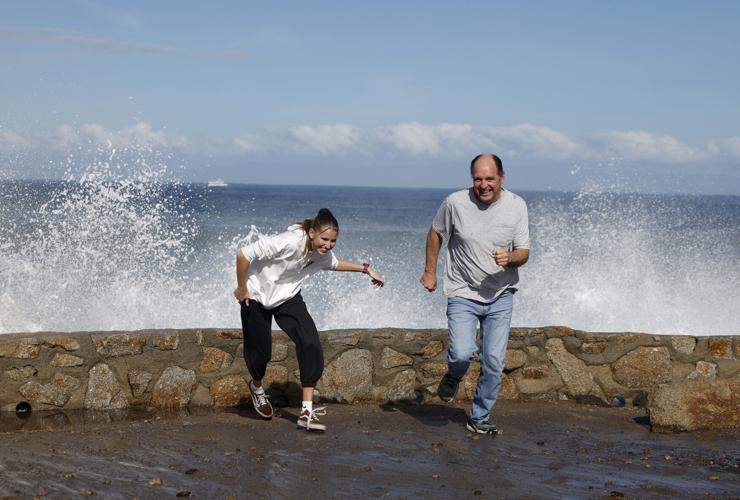


King Tides come like clockwork, thanks to astronomical placement. The higher-than-normal high tides and lower-than-normal lows come at the full moon near the winter solstice, with the most extreme King Tides in December, and more moderate versions in November and January.
But the King Tides of Nov. 23-25 (with the highest high tides on Wednesday, Nov. 25) coincided with other factors that contributed to more dramatic effects than usual.
One is thermal expansion caused by warmer-than-normal ocean temperatures, a result of El Niño. Since early October, the tide has regularly been about 12 inches higher than what is forecast based on astronomical conditions.
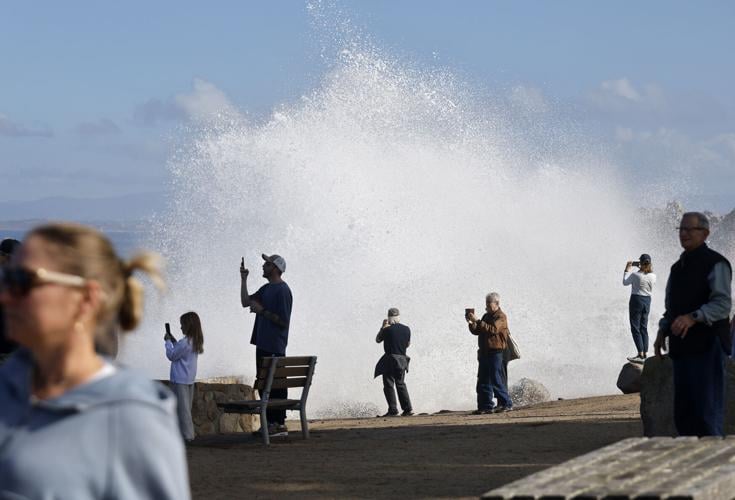
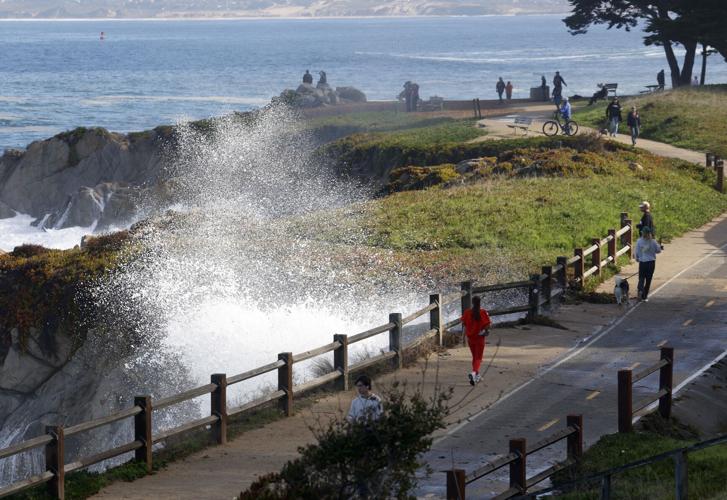
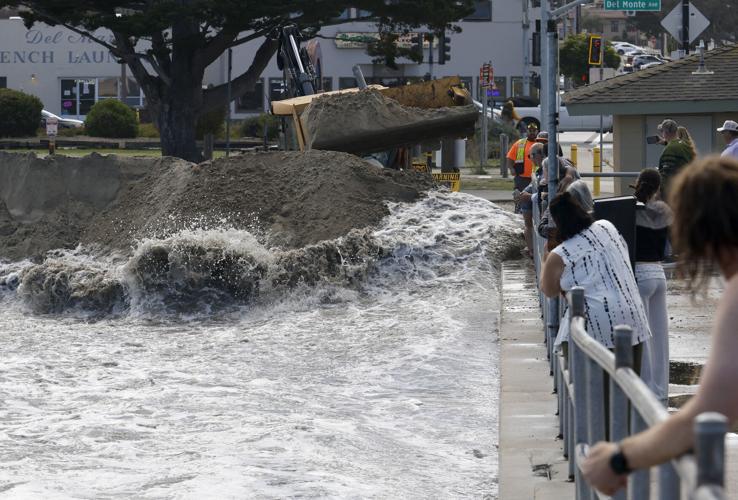
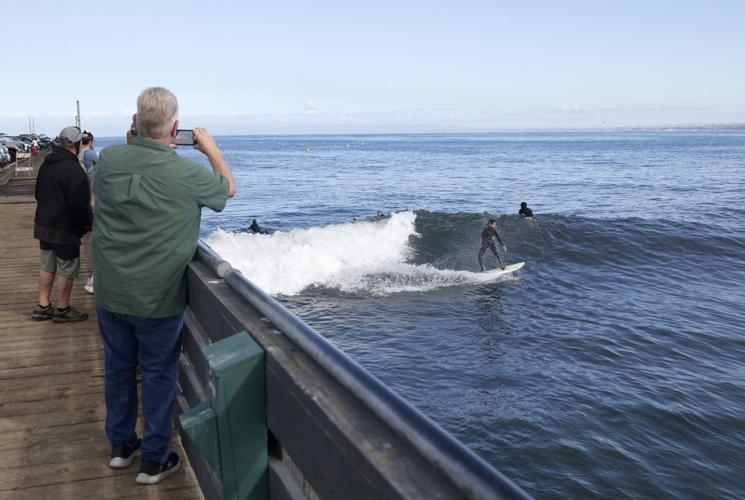
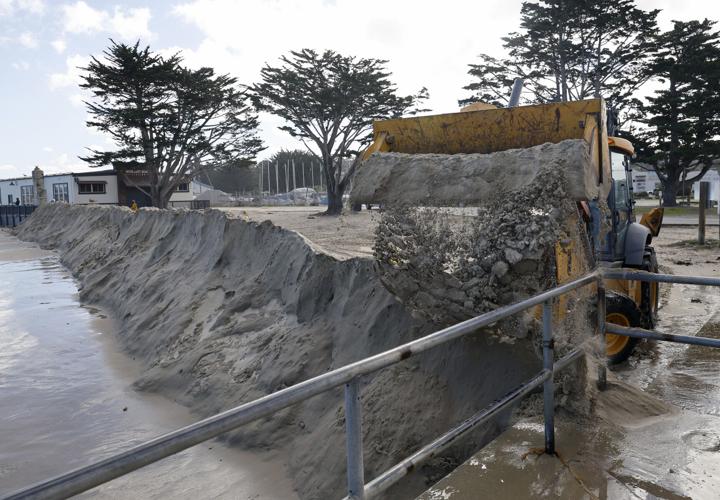
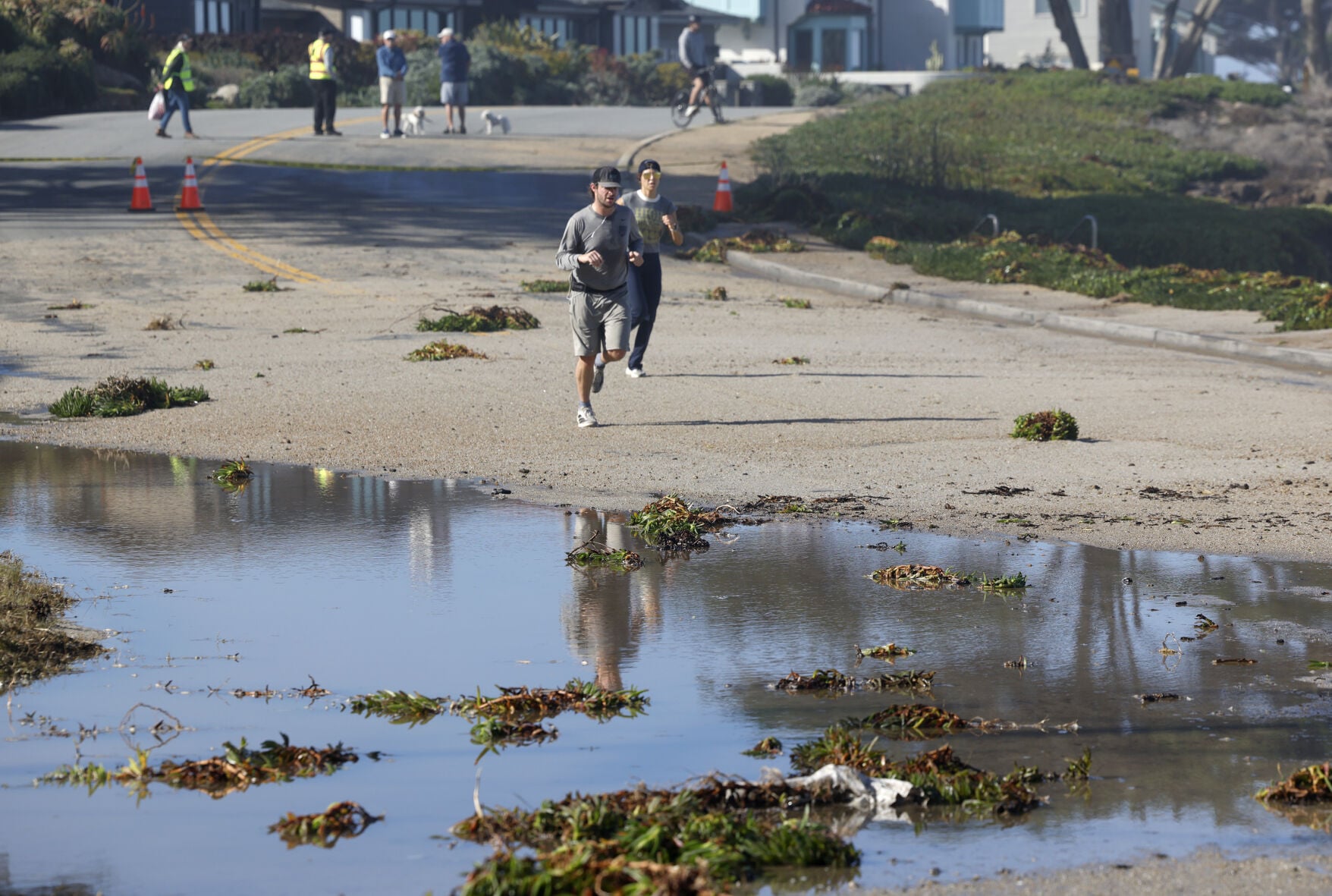
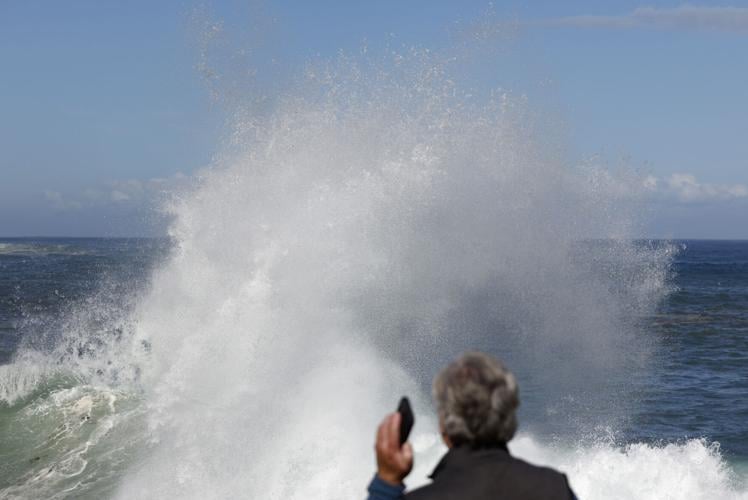
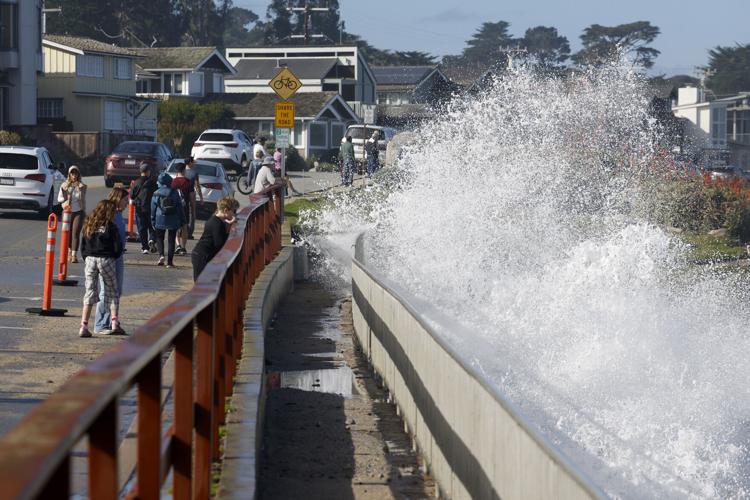
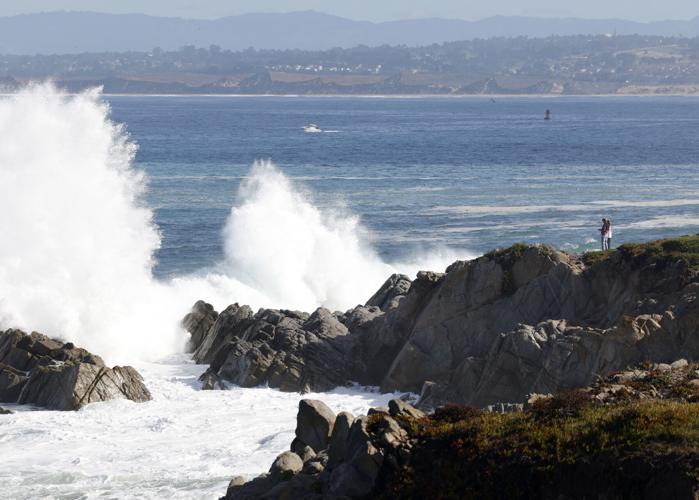
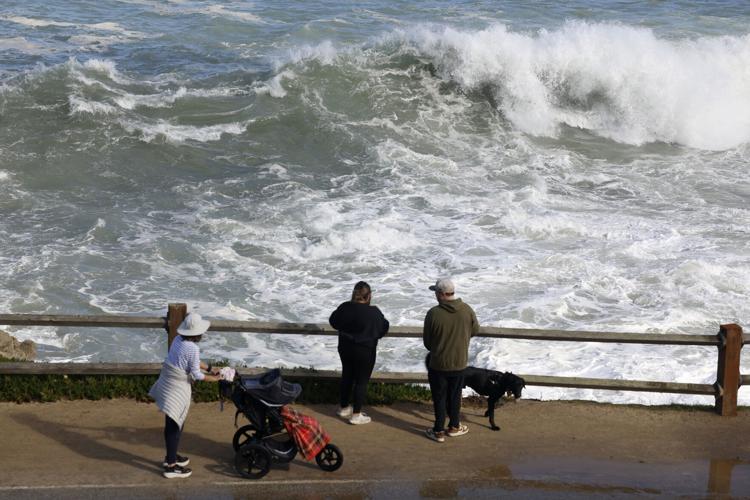
The other influence was a storm swell as a front approached from Alaska, creating waves that hit the Central Coast on Wednesday, Nov. 25. In some cases that meant fun for recreation, drawing surfers into the water, and in some cases it meant coastal flooding and damage. Officials in various jurisdictions preemptively closed beach access and roads.
“Expect to see water where you have never seen it before,” meteorologist Dylan Flynn of the National Weather Service said on Monday, day one of the King Tides. By Wednesday, he was proven right.
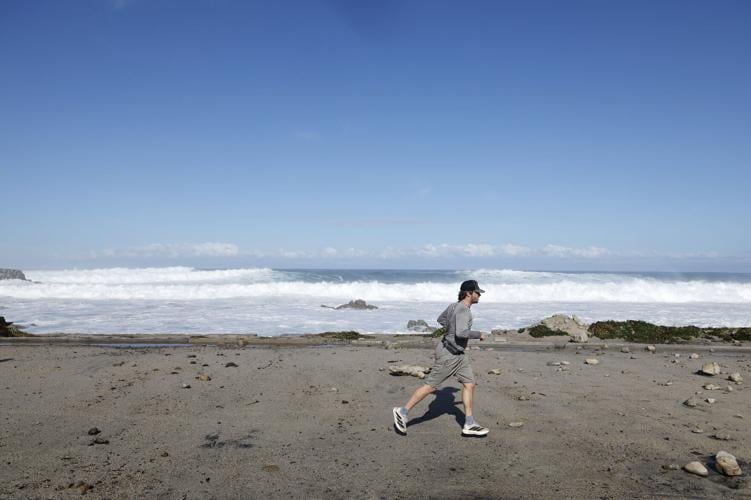
Blue skies and warm weather drew many people out to the coast to watch the waves.


(0) comments
Welcome to the discussion.
Log In
Keep it Clean. Please avoid obscene, vulgar, lewd, racist or sexually-oriented language.
PLEASE TURN OFF YOUR CAPS LOCK.
Don't Threaten. Threats of harming another person will not be tolerated.
Be Truthful. Don't knowingly lie about anyone or anything.
Be Nice. No racism, sexism or any sort of -ism that is degrading to another person.
Be Proactive. Use the 'Report' link on each comment to let us know of abusive posts.
Share with Us. We'd love to hear eyewitness accounts, the history behind an article.