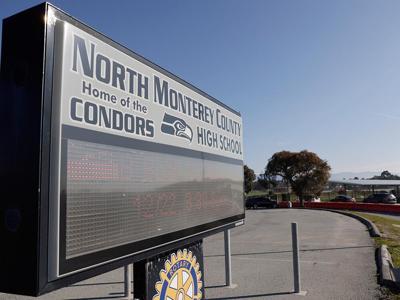

Over the past week, North Monterey County Unified School District has hosted two town halls to discuss layoffs and budget cuts for the upcoming school year.
According to projections, the district is facing a $6.7 million deficit in its general fund for the 2026-2027 school year. The deficit stems from increasing costs, declining enrollment and the expiration of one-time funding.
What NMCUSD is facing isn’t unique. Many school districts across California have faced the same challenges. Locally, Pacific Grove Unified and Monterey Peninsula Unified made budget cuts this year, including personnel layoffs.
Salaries and benefits are the largest expenditure, at $90.9 million, or 91 percent of the district's budget (higher than other districts, including Soledad Unified School District, which spends an average of 77 percent of its budget on personnel).
In the past seven years, NMCUSD’s enrollment has decreased from 4,583 to 4,138 students, a loss of 445 students.
During the in-person and virtual meetings on Nov. 17 and 18, about 80 people participated and completed a survey choosing which areas or positions the district should keep or cut. Only the people who attended these town halls participated in the surveys.
“We will be looking to take a balanced approach, which will include a range of positions, while keeping what is in the best interest of students in mind,” NMCUSD’s Superintendent Matt Turkie writes via email.
“I am in complete agreement that we need to cut positions, 100 percent agreement on that,” said Kelly Moore, NMCUSD’s teachers union president, during the Zoom town hall on Nov. 18. “We have 10 percent less students, so we have to make that adjustment.”
During the town hall, district staff noted the deficit was an ongoing issue that needed reductions and permanent changes to reverse the tide; otherwise, the district would drain its reserves.
During the 2025-2026 school year, the district’s expenses ($102.3 million) exceeded its revenue ($94 million). The district’s reserves are lower, 8.3 percent, than other districts, which have an average of 12 percent of their budget. The recommendation is 17 percent (three percent is the minimum required).
The next steps include gathering input from staff and at district campuses in November, consolidating recommendations in December and presenting the results to the board in February.


(0) comments
Welcome to the discussion.
Log In
Keep it Clean. Please avoid obscene, vulgar, lewd, racist or sexually-oriented language.
PLEASE TURN OFF YOUR CAPS LOCK.
Don't Threaten. Threats of harming another person will not be tolerated.
Be Truthful. Don't knowingly lie about anyone or anything.
Be Nice. No racism, sexism or any sort of -ism that is degrading to another person.
Be Proactive. Use the 'Report' link on each comment to let us know of abusive posts.
Share with Us. We'd love to hear eyewitness accounts, the history behind an article.