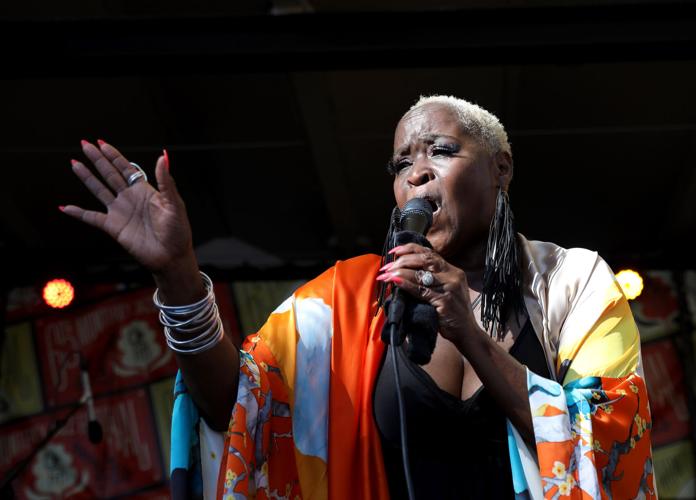
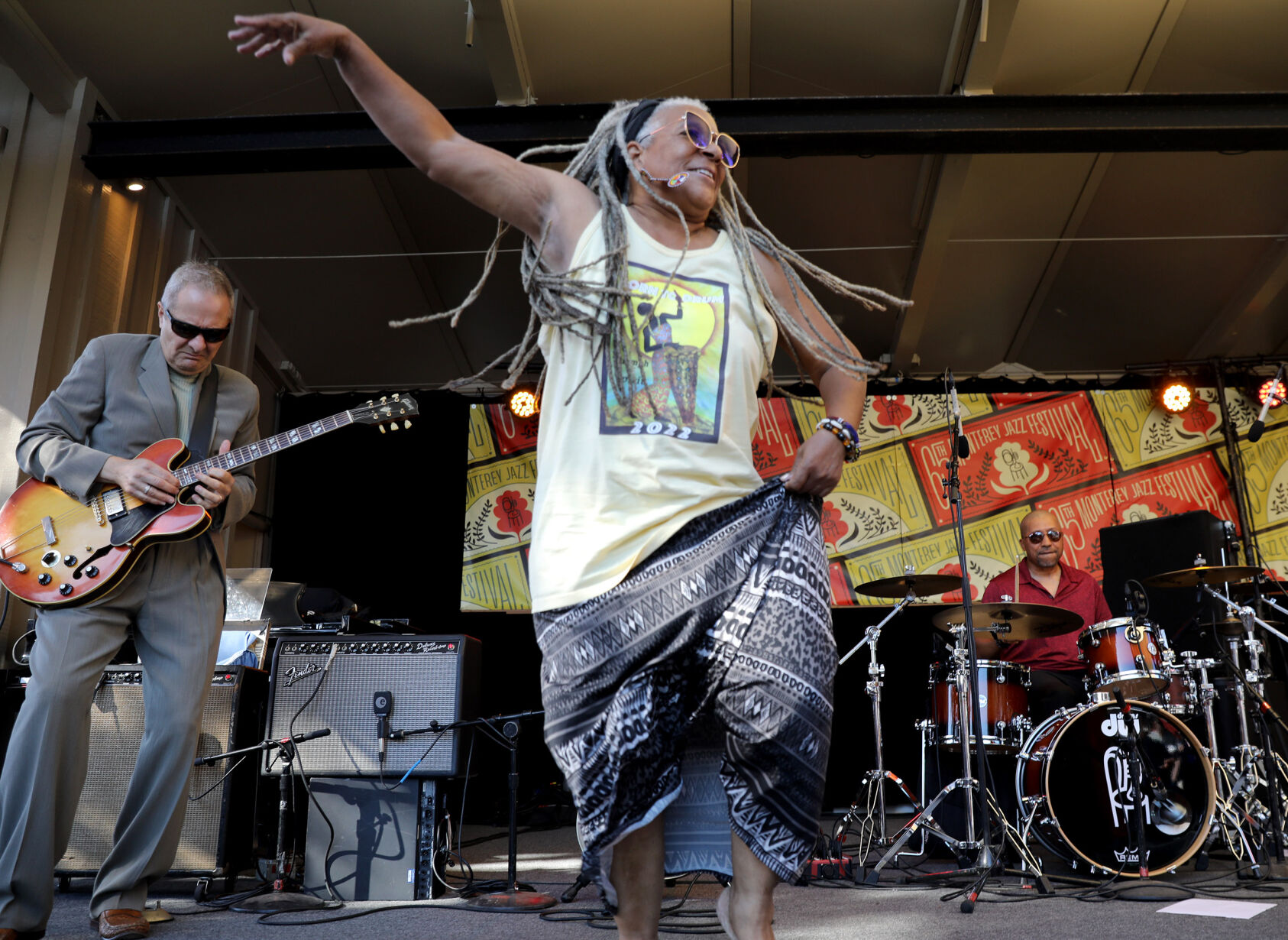
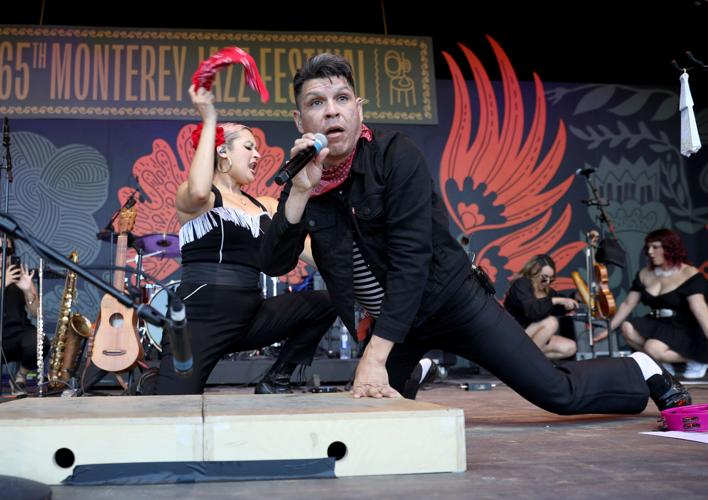
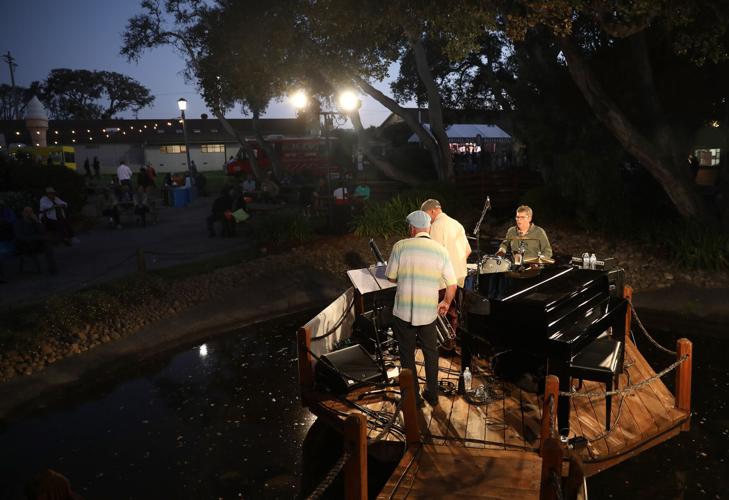
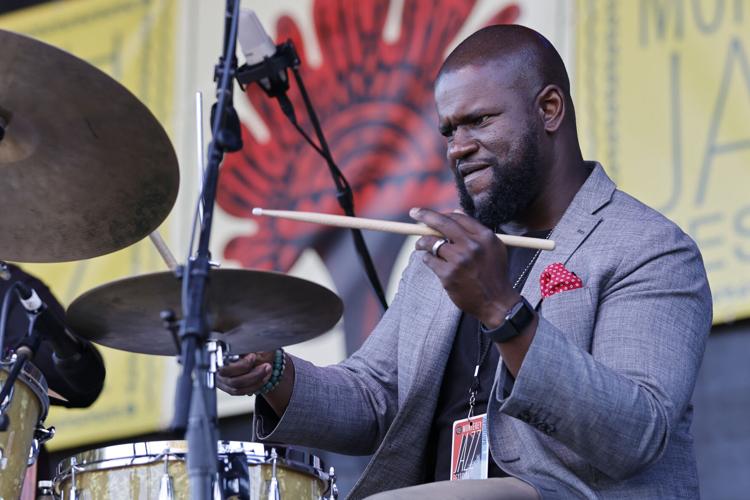
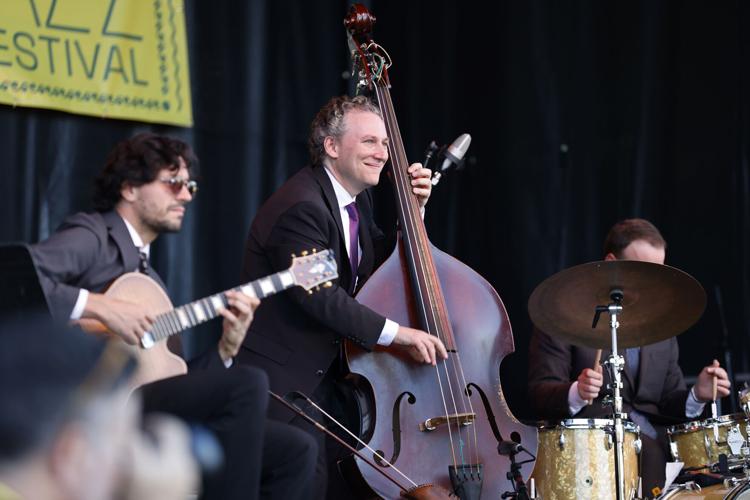
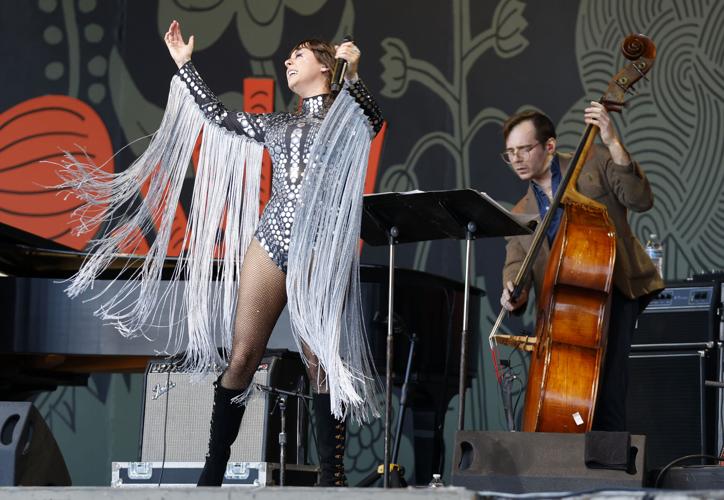
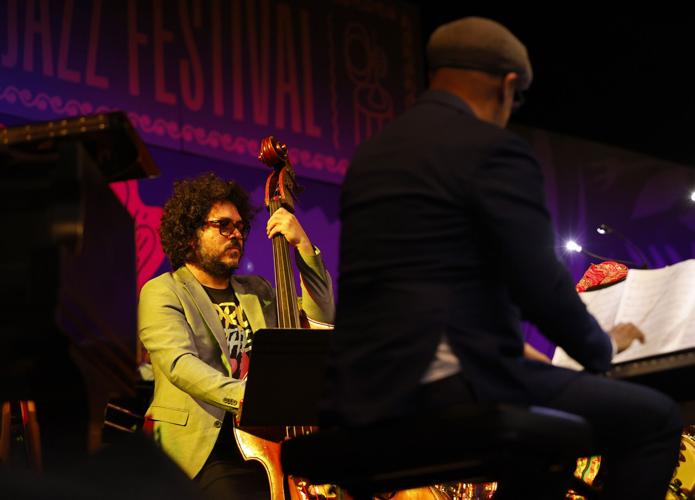
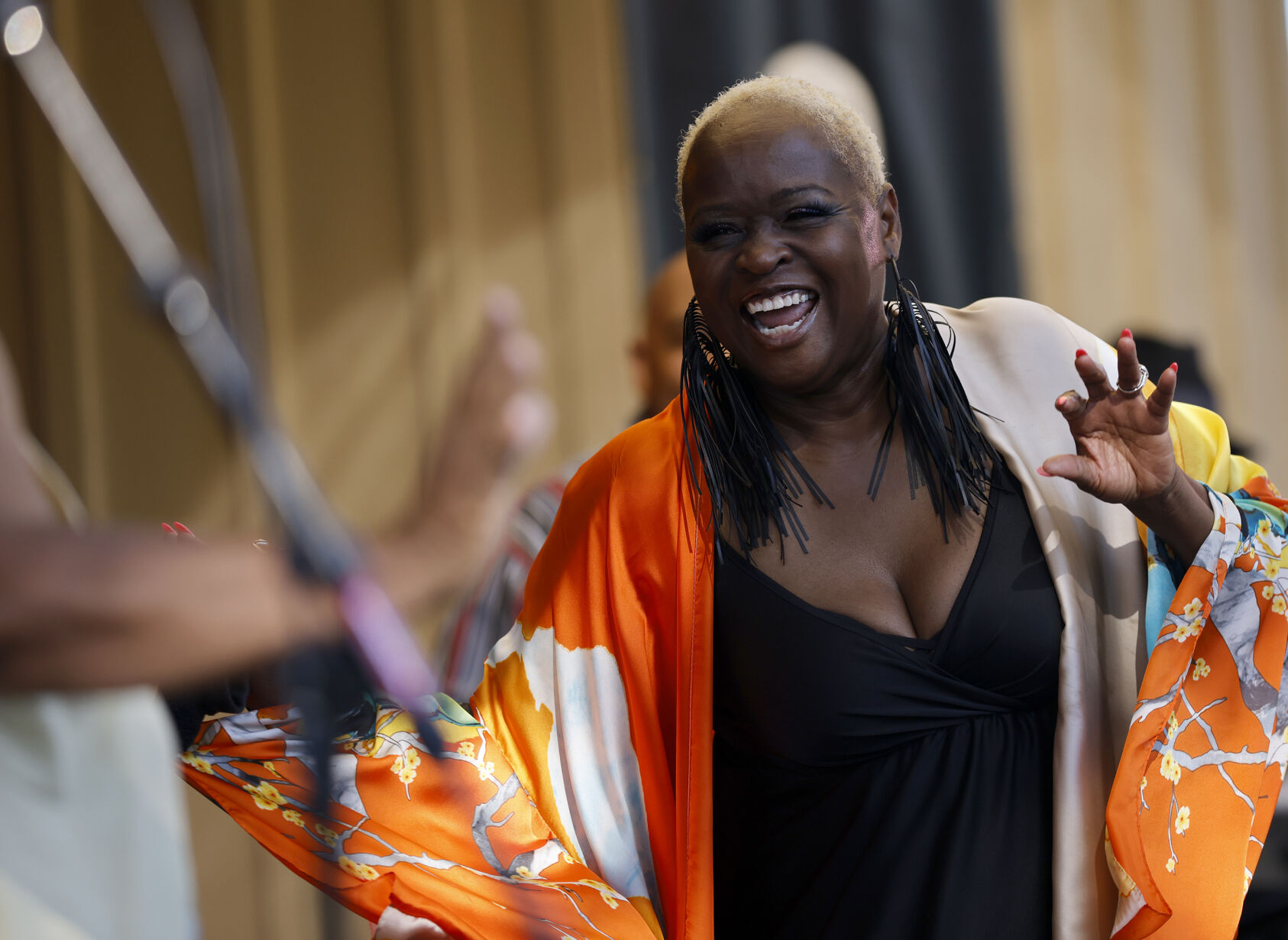
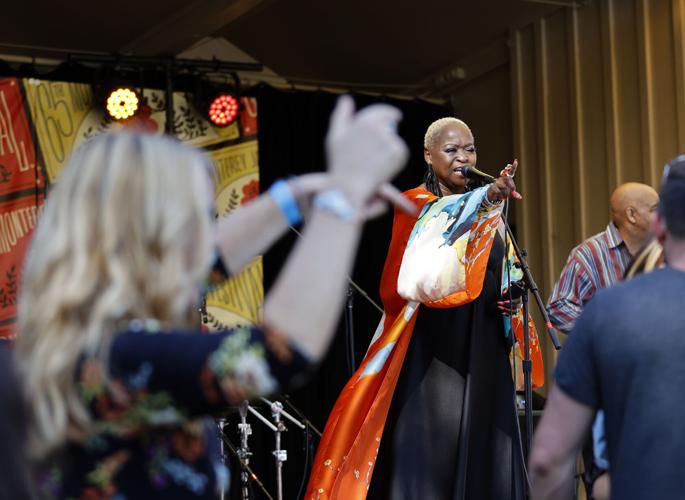
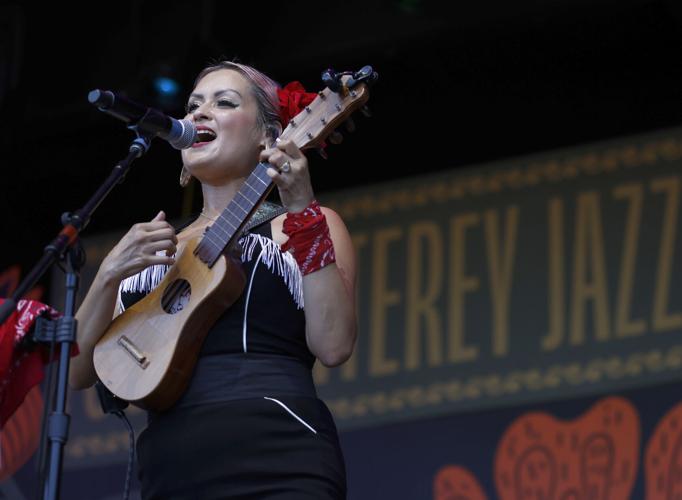
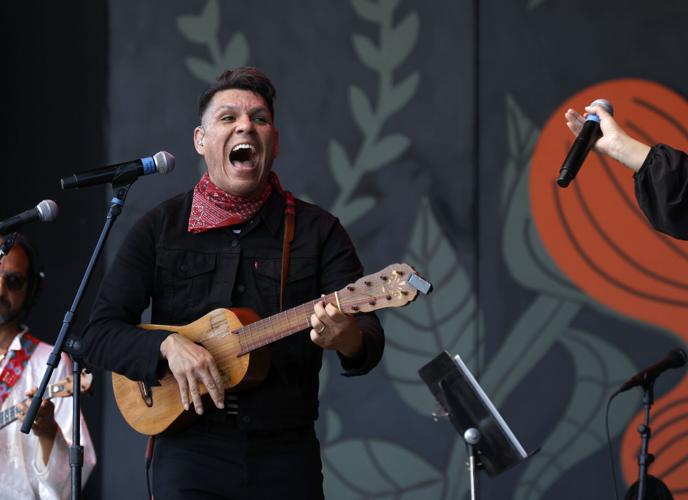
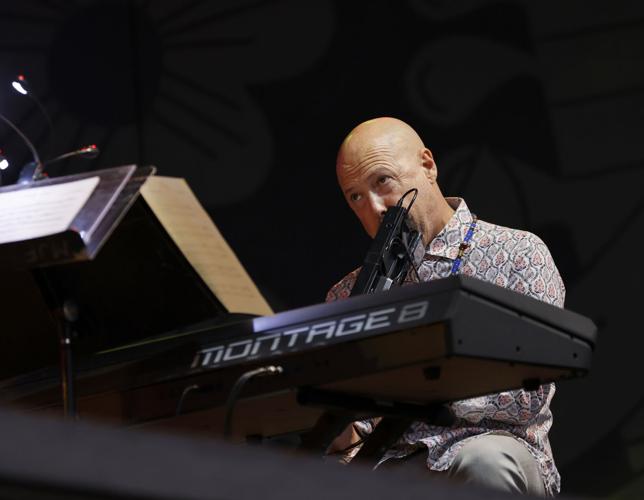
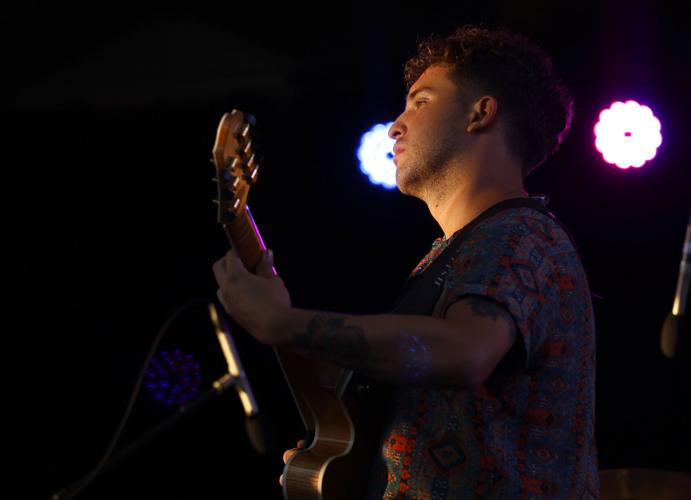
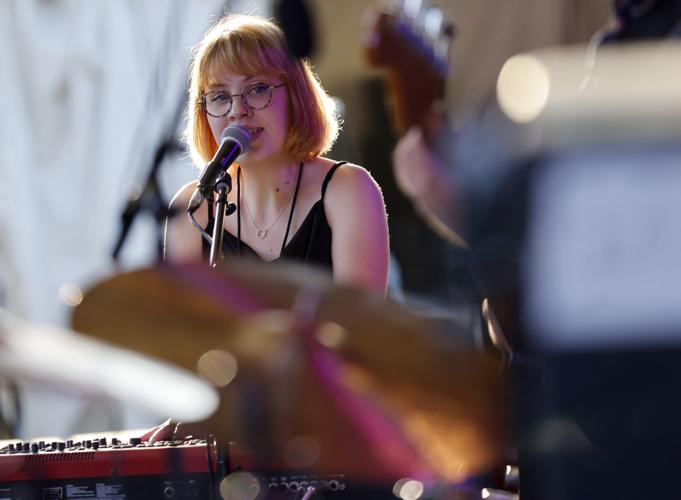
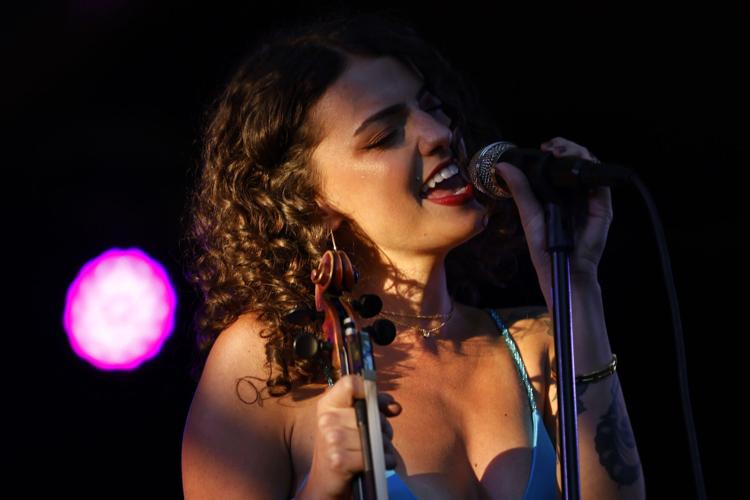
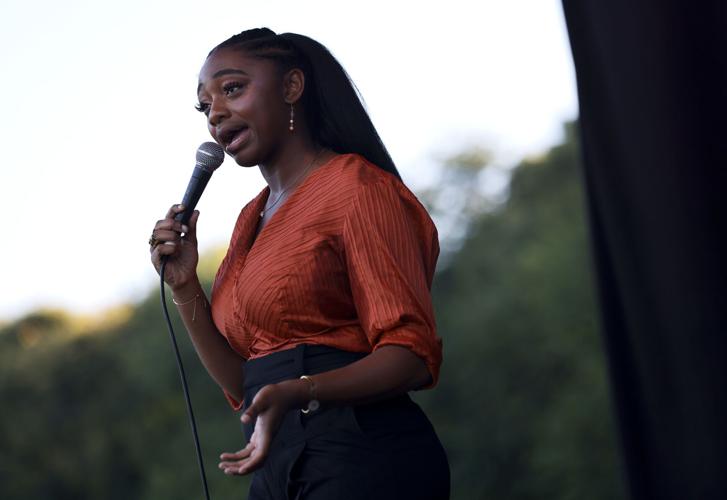
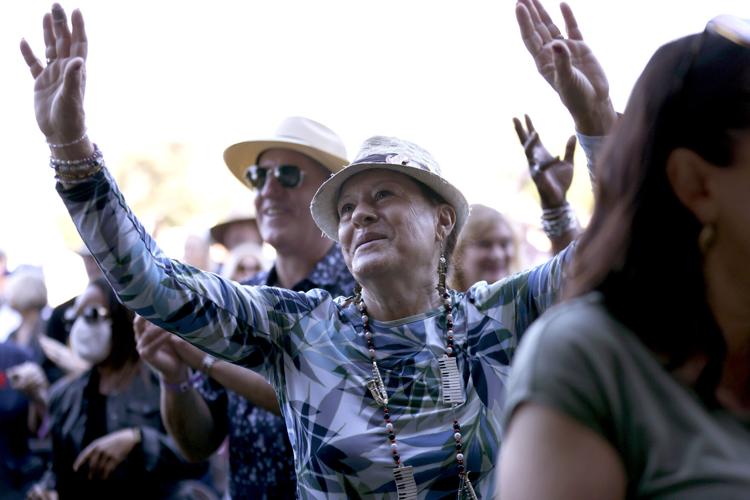
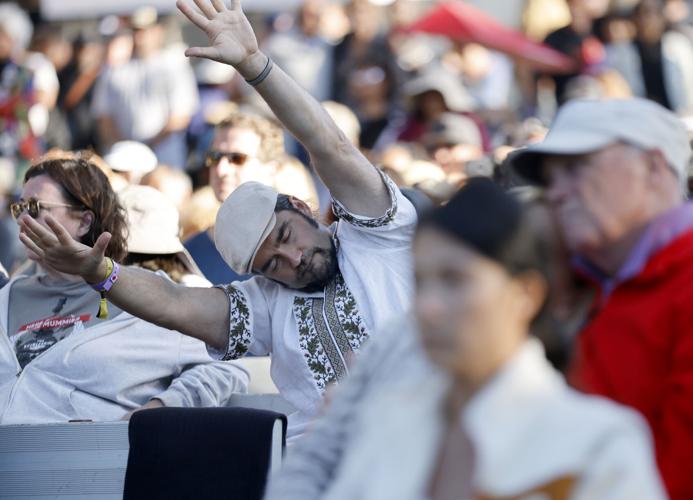
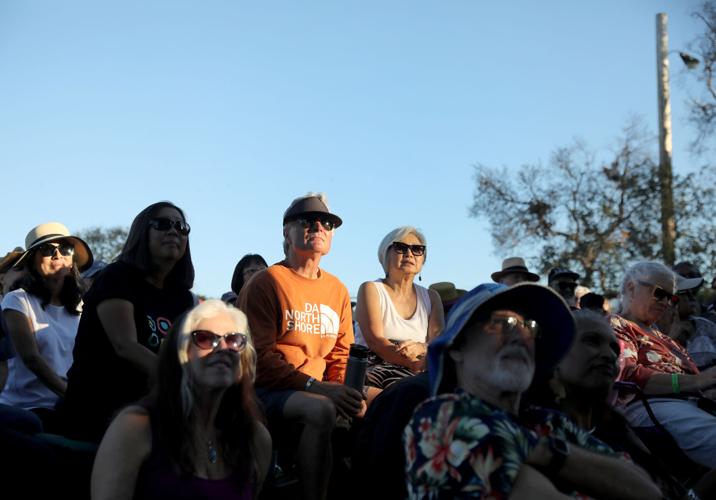
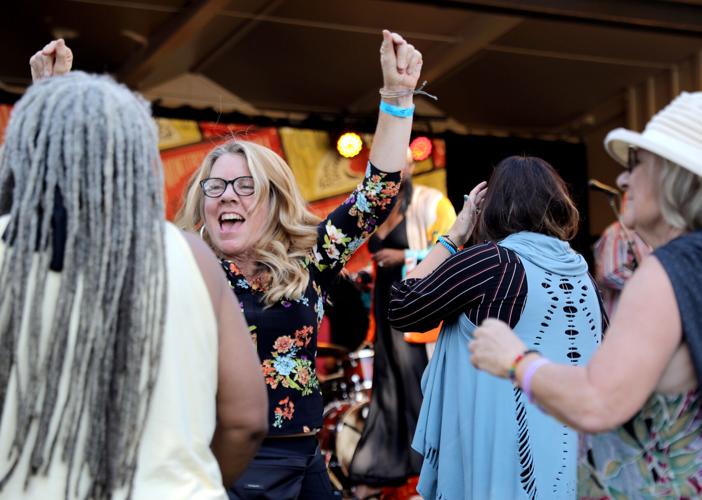
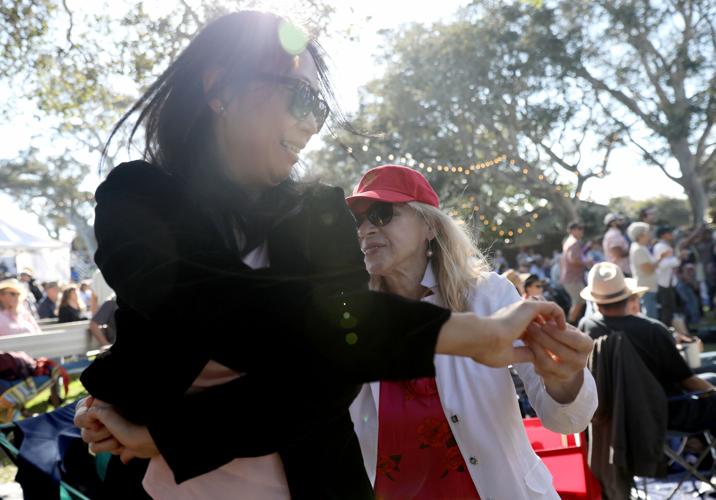
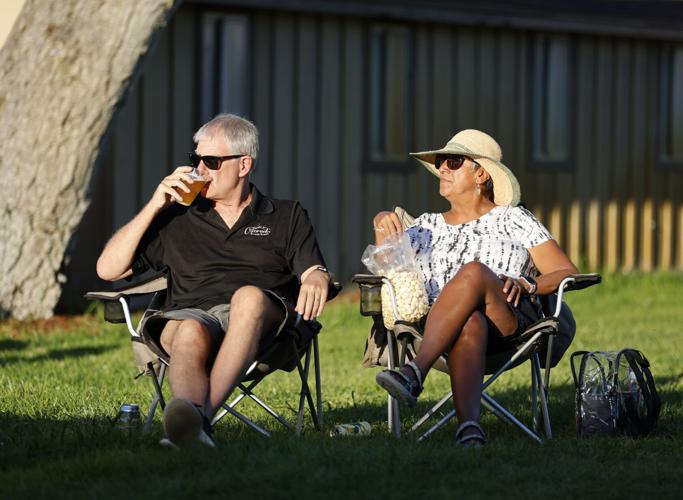
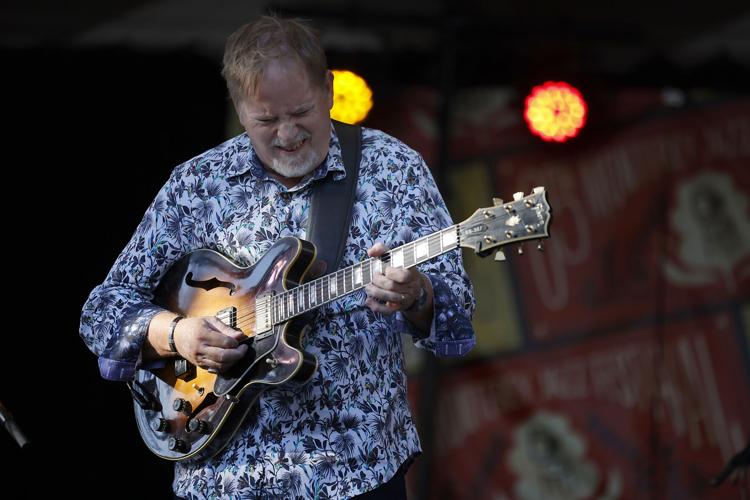
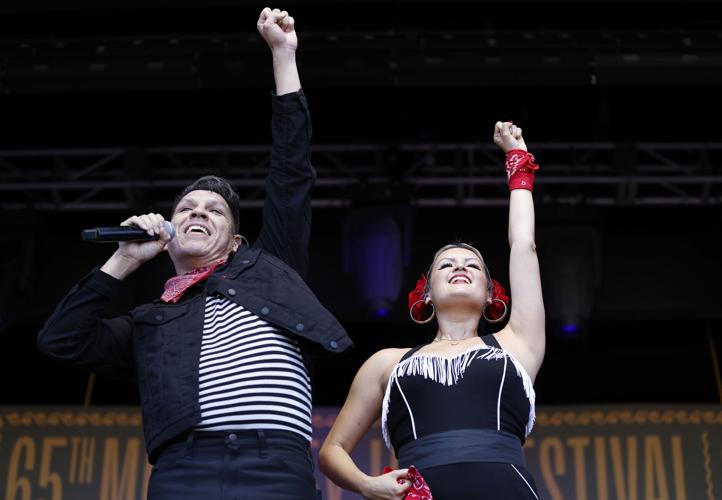
The 65th Monterey Jazz Festival over the weekend of Sept. 23-25 was a fine return to form for this beloved tradition, which came back with an abbreviated lineup in 2021 after a Covid hiatus and this year with a packed three days of music on multiple stages (all outdoors).
As always, the festival featured a mix of some of the biggest names in jazz alongside rising stars, as well as the Next Generation Jazz Orchestra.
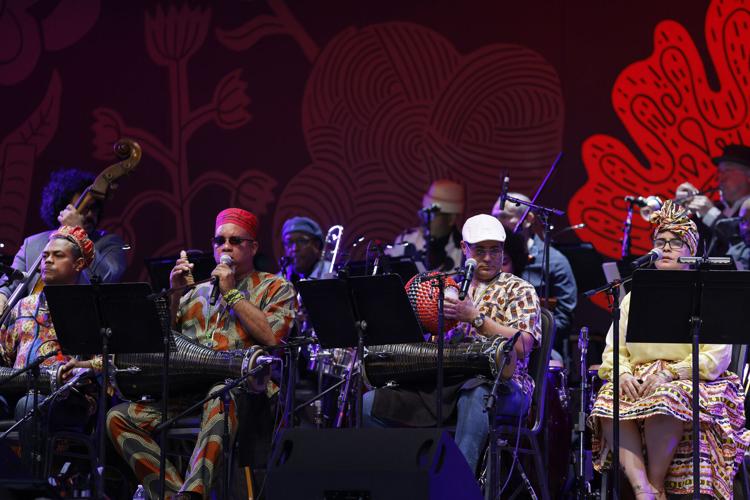
A Friday night highlight was a spectacular performance by Grammy award-winning Chucho Valdés and a combination of the Yoruband Orchestra and MONK’estra playing Valdés’ “La Creación,” a musical recreation of the creation myth based on the Afro-Cuban religion known as Santoria. Starting with notes right out of an imagined primordial swamp and evolving into a big band modern sound, the crowd adored Chucho’s return to Monterey. Chucho’s five percussionists set the Afro-Cuban tone for the night. And the performance set a high bar for the three-day festival, and the energy and musicality delivered. Incognito followed that set, and their Italian trap drummer, Francesco Mendolia, and Chinese percussionist, Joao Caetano, were powerhouses, too.
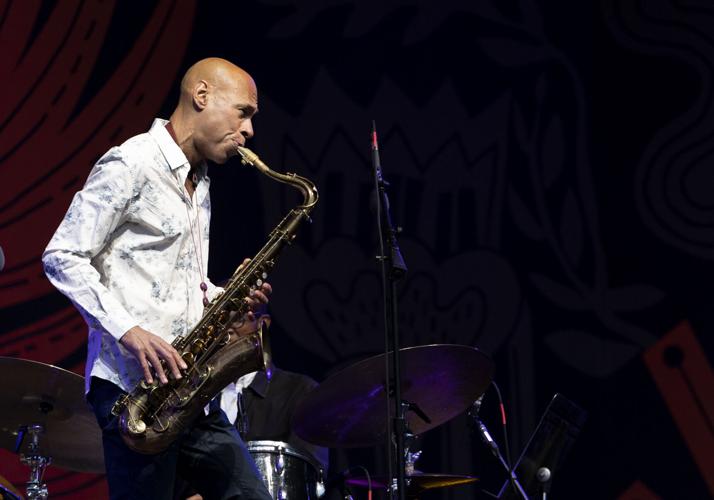
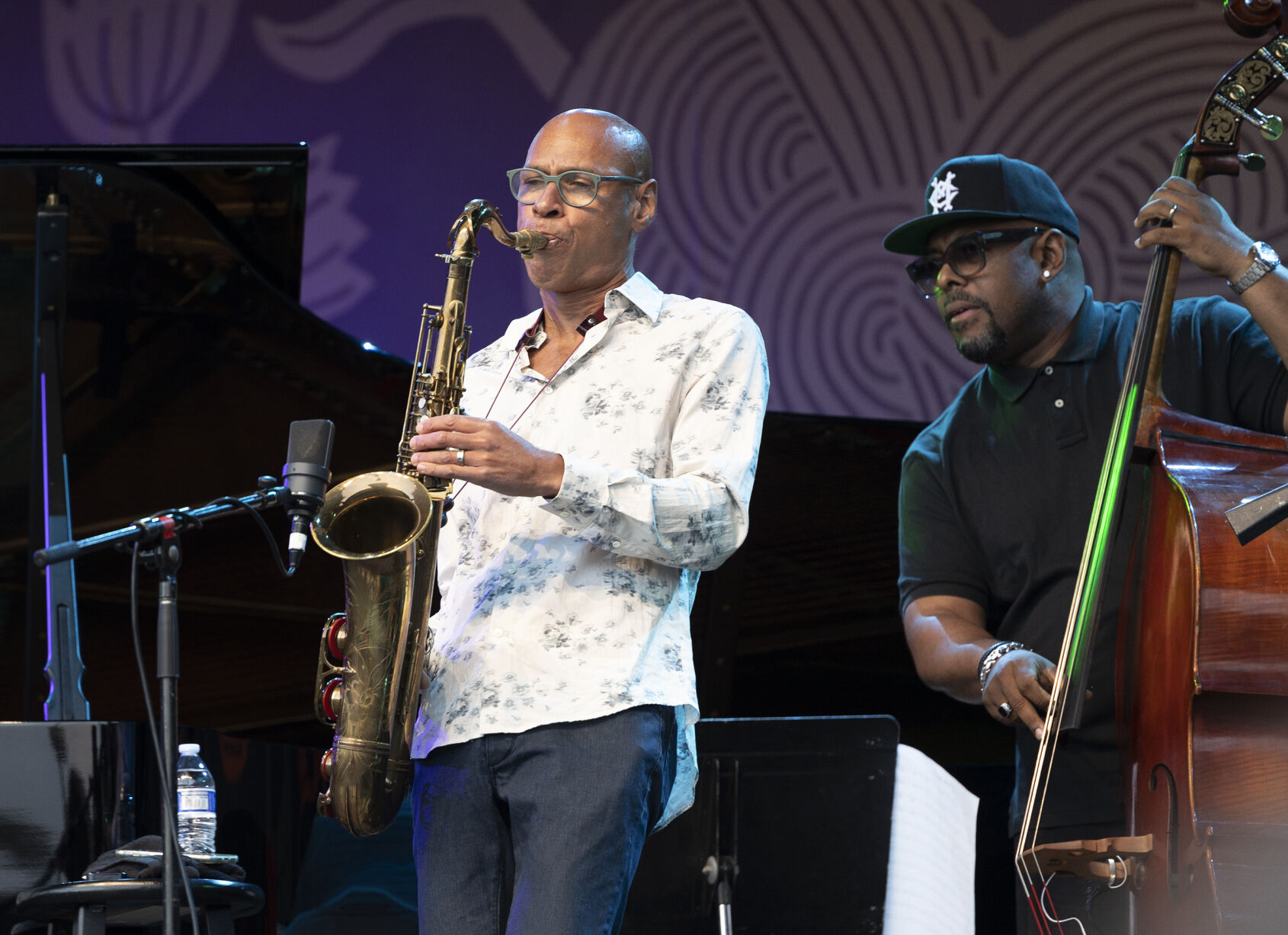
On the main stage Saturday was a set by some of jazz artists in Redman-Mehladua-McBride-Blade: A Moodswing Reunion, featuring Joshua Redman, Brad Mehldau, Christian McBride and Brian Blade. The quartet first played together in 1993, and saxophonist Redman described his bandmates as “three geniuses of modern music,” who reconvened 25 years later for an album titled Undertow, recorded in 2019. (Redman is a Berkeley High School Jazz Ensemble alum and first played on the main stage at the Monterey Fairgrounds while a member of that all-star high school band.)
The song “Undertow,” part of their Saturday set, started with a long, meandering sax solo, eventually building in momentum and intensity—not unlike real ocean undertow. It was followed by “Mohonk,” which delivered an emotional arc.
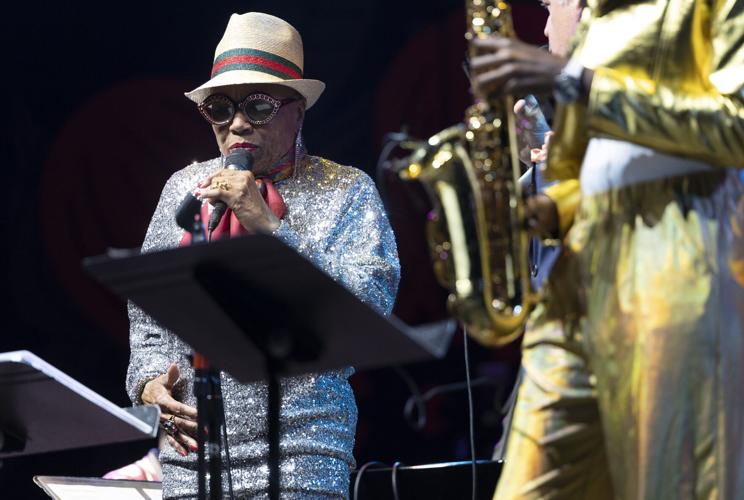
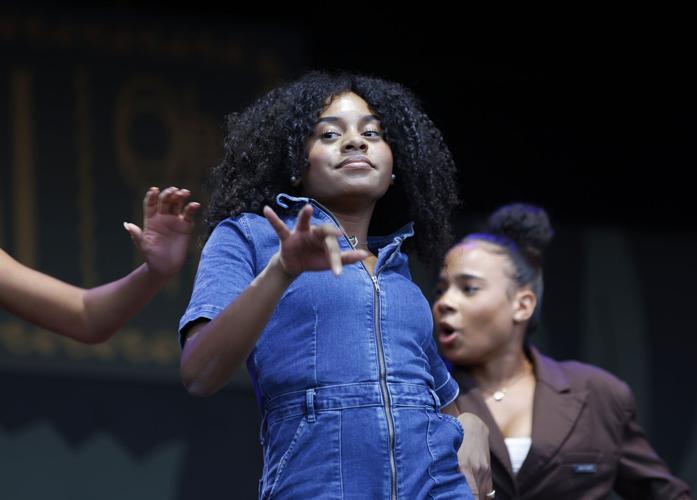
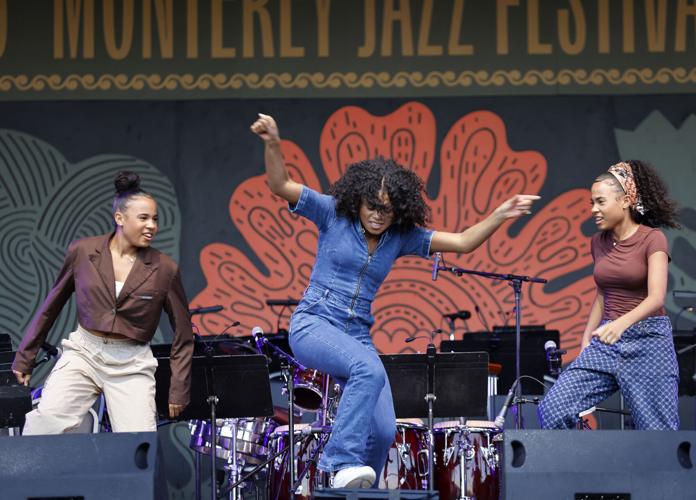
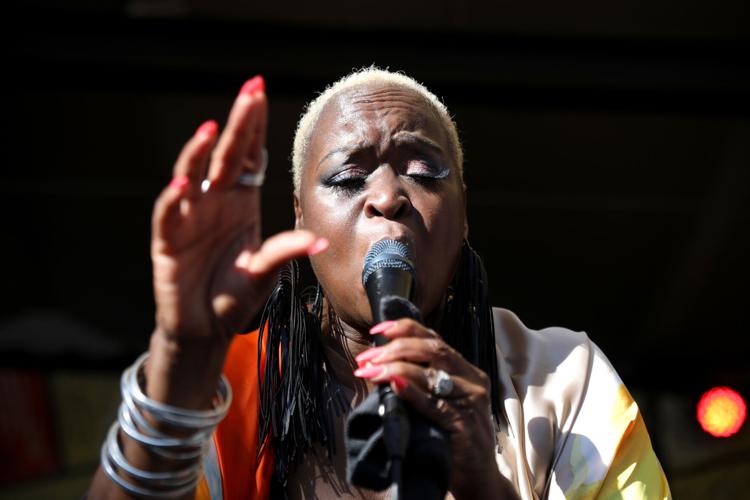
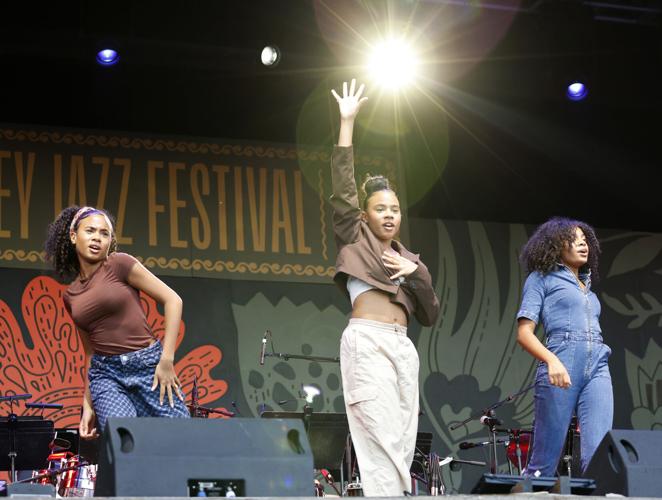
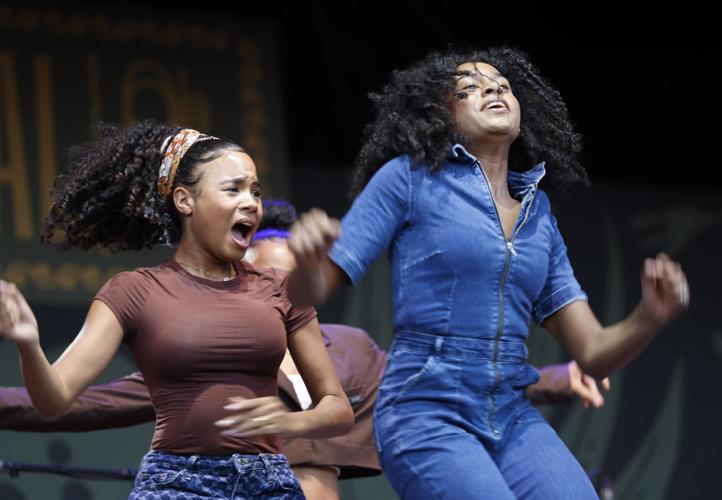
Saturday night on the main stage wrapped up with a highlights reel from the MJF On Tour band, featuring Christian Sands on piano, vocalists Kurt Elling and Dee Dee Bridgewater (who wore a sparkling, silver sequined suit), Lakecia Benjamin (in a gold suit) on alto sax and more, accompanied by a trio of funky, athletic dancers (Norah Mukanga, Yarah Mukanga and Rosa Mukanga) from the Netherlands, who go by the name of Let It Happen. Bridgewater’s performance of Nina Simone’s song “Four Women” was one of the highlights of that set, if not the weekend.
“My skin is Black / My arms are long / My hair is woolly My back is strong…” she sang in a powerful, rumbling voice.
Pianist/organist Matthew Whitaker closed down the Garden Stage on Saturday night with a funk- and disco-infused performance, heavy on drums and percussion, on the Garden Stage. Whitaker, who is just 21 years old, started playing on a small Yamaha keyboard at age 3, and at age 9, taught himself how to play the Hammond B3 organ. In his energetic set, Whitaker swiveled from piano to organ, and played in socks. And though Whitaker is blind, he faced outward through every song, toward his listeners. His original run “Stop Fighting” was a slow, melodic departure from Chick Corea covers and other funky tunes.
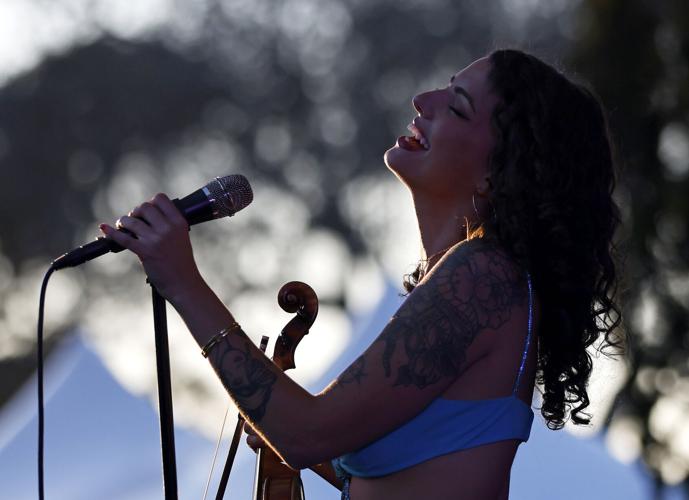
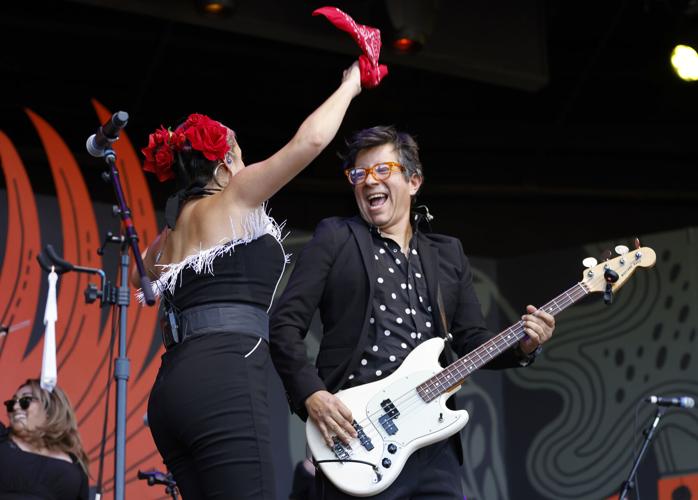
Besides the Valdés and Redman sets, highlights from the Jimmy Lyons Stage in the arena included a spirited set by the female group Artemis on Saturday, followed by the high-energy Las Cafeteras, an East Los Angeles group that blends Mexican-American musical styles with messages of hope and inclusion.
A new addition to the festival this year was Sunday morning gospel on the Garden Stage, and based on the vocal, enthusiastic full house, it’s likely to rise up again. The gospel started the day at 11am, under a thick layer of fog.
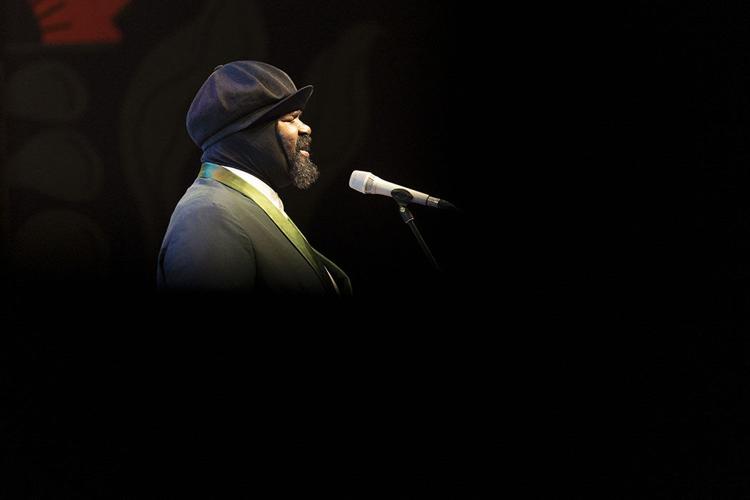
While jazz derives partly from the spiritual genre, many great singers in different styles have been influenced by gospel, including Aretha Franklin, country singers Hank Williams and Johnny Cash, Elvis Presley, more recently Kanye West, and as demonstrated for the closing act on the main stage Sunday night, Gregory Porter.
Sunday’s chorus was a hybrid intermixing the choirs from the Texas Southern University and Morgan State University. The chorus also highlighted five lead (more seasoned) singers, including Seaside’s soprano Laberta Loral, whose voice is angelic.
As if on cue, the fog lifted during gospel hour. Plus, to the students’ surprise, Alaska Airlines, the sponsor of the show (along with Google), announced that each singer on stage was to receive a round-trip ticket to be used as they wished: for job interviews, to see their family, to have fun.
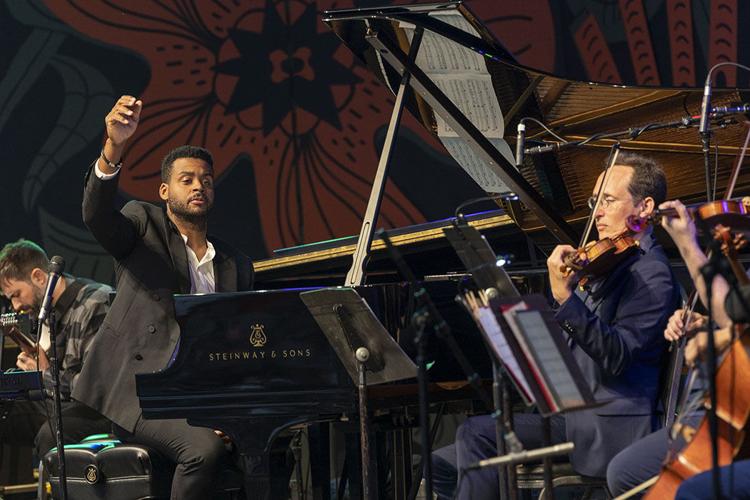
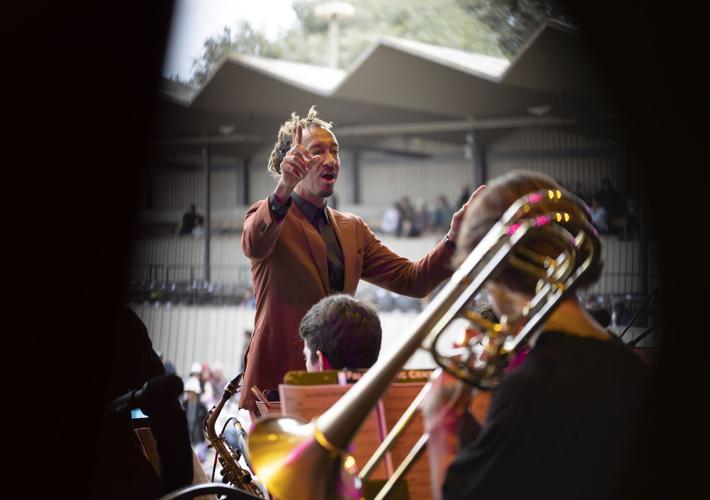
In another student performance on Sunday, the Next Generation Orchestra conducted by Gerald Clayton brought a swinging, big band sound from the best jazz high school students in the country, as far from North and South Carolina and Florida (nine states are represented). They were also joined by Let It Happen, a trio of jazz dancers, putting their own dance interpretation to Clayton’s arrangement of “Hit the Road Jack.” The group Ranky Tanky with special guest Lisa Fischer was another highlight: Fischer sang a moving version of the protest song, “This Land is Your Land,” in which she asked toward the end: “Is this land for you and me?”
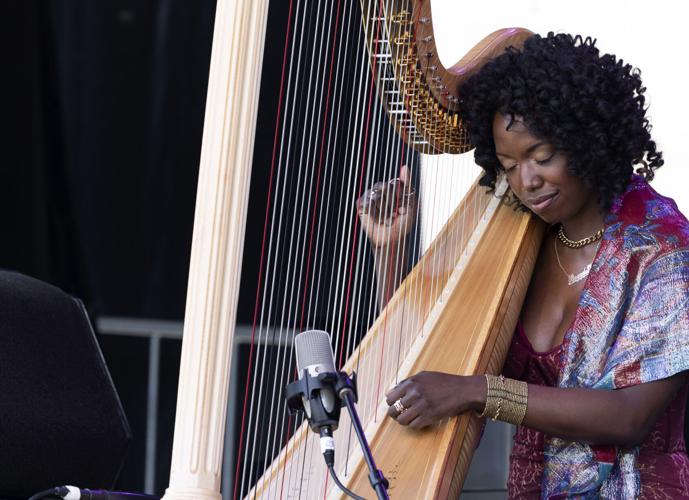
Ravi Coltrane’s Cosmic Music delivered an emotional set, a tribute to his parents, Alice and John Coltrane, and Pharoah Sanders, a free-form jazz saxophone player who died at age 81 in Los Angeles on Saturday, and who many MJF players acknowledged throughout the weekend. Brandee Younger’s harp was reminiscent of Alice Coltrane on harp, and the younger Coltrane is a powerful player in his own right, highlighted by his performance of his father’s A Love Supreme.
Kris Boyers, another Next Generation Jazz Orchestra alumnus, performed his original composition, a piece commissioned for this festival by MJF, in honor of the 30th anniversary of the Monterey Bay National Marine Sanctuary. Composed to images generated from underwater cameras from the Monterey Bay Aquarium Research Institute in Moss Landing and utilizing sounds of whales and other marine mammals, Boyers’ composition was unveiled in synchronicity with the video. While not all the original commissioned pieces throughout MJF’s years have been highlights of the weekend festival, Boyers’ composition, played with an orchestra including cellos, violins and bass, plus electric guitar, was one of the best.
The weekend included many songs of pain and protest, highlighting the ongoing plight of people of color, but also songs of hope for the future and helping others.
Gregory Porter, the son of a minister mother and former Division 1 football player from Bakersfield, whose injury catapulted him into his remarkable career, ended the weekend singing “Take Me To The Alley,” about helping those on the margins of society. He finished his set with “No Love Dying.”
Well, the death of love is everywhere
But I won’t let it be
There will be no love dying here for me
There will be no love that's dying here.
He led the audience in singing the line “There will be no love that’s dying here” over and over again—a fitting action plan and benediction for the audience headed back into the world beyond the Monterey Fairgrounds.


(0) comments
Welcome to the discussion.
Log In
Keep it Clean. Please avoid obscene, vulgar, lewd, racist or sexually-oriented language.
PLEASE TURN OFF YOUR CAPS LOCK.
Don't Threaten. Threats of harming another person will not be tolerated.
Be Truthful. Don't knowingly lie about anyone or anything.
Be Nice. No racism, sexism or any sort of -ism that is degrading to another person.
Be Proactive. Use the 'Report' link on each comment to let us know of abusive posts.
Share with Us. We'd love to hear eyewitness accounts, the history behind an article.