
It’s the peak of summer and I’m knee-deep in the water, wearing camo-print waders and slick with sweat when I hear the high-pitched whine far too close to my ear.
I take a swat—no way that sucker’s landing on me.
But the sudden motion riles the rest of the mosquitoes around me into a frenzy, and there are probably hundreds. It’s a cloud of mosquitoes thicker than Monterey’s fog, and I’m the featured entree. Their buzzing is so loud it resounds in my ears long after I’m safely indoors.
I’d never seen that many mosquitoes at once until I spent two months in the swamps of Arkansas.
Locals sarcastically refer to them as their “state bird.” While I searched the trees with hefty binoculars for actual birds, my insect entourage followed me everywhere. I had to learn the hard way to deal with them, eventually coming to a Zen point where I could just stand still and let them swarm, and not anger them by swatting.
Ken Klemme of the the Northern Salinas Valley Mosquito Abatement District says he’s seeing more local mosquito cases this year than last, despite the drought. Warmer weather may be to blame, and a lack of frost last winter means fewer were culled then.
Thankfully, the arsenal of mosquito-combat tactics I learned in Arkansas, and a few tips from Klemme, can work for anybody enjoying outdoor late-summer fun where bugs lurk, and help stop the spread of mosquitoes and the diseases they carry.
1. The best protection is a not in any bottle.
It’s in one’s clothes, the physical barrier over skin. Layer up, particularly at dawn and dusk, when mosquitoes are most active. Long, loosely-fitted garments are best, but fabric matters just as much. Thin weaves like linen are easily penetrated by a determined sucker. Tight, thick, or synthetic ones (think a windbreaker) are much harder or impossible. Some retailers even sell specially-treated bug-resistant garb.
2. The right bug spray is a must-have.
Traditional sprays use DEET to great effect. But some environmental controversy surrounds its toxicity to fish, birds and people. An eco-savvy alternative is a citronella-based spray. It helps to have a fondness for the smell of lemons, because it will have a strong citrussy odor. Citronella does work, perhaps not as well as DEET, but can hold its own in less dire invasions.
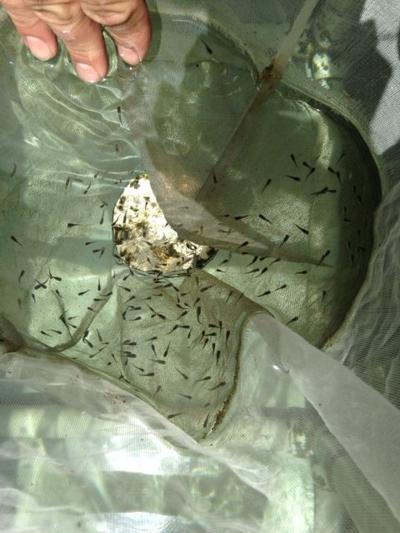
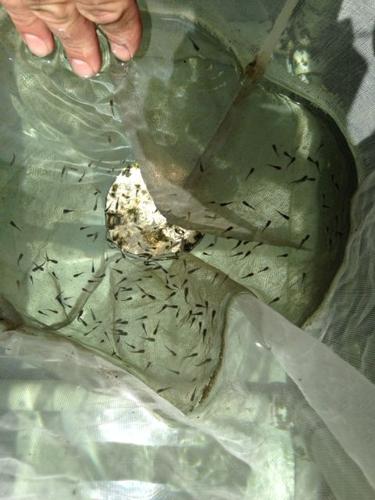
3. Standing water is the enemy.
Even a small pool can give mosquitoes a place to breed. Neglected buckets of water, puddles, birdbaths, uncovered swimming pools and gutters can become a problem. Klemme warns that even a leaky appliance can cause water to pool under the house, so it’s important to keep up regular maintenance.
4. The alternative medicine cabinet offers a more unusual trick.
An extra dosage of vitamin B-1, also known as thiamin. The theory behind it suggests that thiamin has a smell that is repulsive to mosquitoes. Evidence for this approach is anecdotal, but many people swear by it. After rush-ordering my B-1 and taking it diligently for a while, I did notice fewer visits from my enemies.
5. When bites happen, there’s an easy remedy to get rid of them.
That itchy lump is the result of the skin’s allergic reaction to a protein in the mosquito’s saliva. High heat causes the protein to essentially fall apart, rendered ineffective and un-bothersome. I used a metal spoon to do the trick, dipped in scalding water to be hot but just cool enough not give a first-degree burn when pressed against the bite.
Klemme urges people to keep vigilant for standing water around their neighborhoods and dead birds that might be carrying West Nile Virus, and to report anything they see to the mosquito district by phone (422-6438). No one gets in trouble and no one pays a cent, but such calls go a long way to controlling local mosquito populations and mosquito-bourne diseases, such as West Nile Virus.
No West Nile has been reported in the county yet this year, but Santa Clara County has cases.
One thing’s for sure: I’d rather not see that many mosquitoes at one time ever again.


(0) comments
Welcome to the discussion.
Log In
Keep it Clean. Please avoid obscene, vulgar, lewd, racist or sexually-oriented language.
PLEASE TURN OFF YOUR CAPS LOCK.
Don't Threaten. Threats of harming another person will not be tolerated.
Be Truthful. Don't knowingly lie about anyone or anything.
Be Nice. No racism, sexism or any sort of -ism that is degrading to another person.
Be Proactive. Use the 'Report' link on each comment to let us know of abusive posts.
Share with Us. We'd love to hear eyewitness accounts, the history behind an article.