Rarely in our history have food politics so dominated the national spotlight. Two food-related bills are currently circling the legislative drain, and their backers are running out of time to get them signed by the end of the current lame-duck session – because once the new Congress takes over, all bets are off.
The so-called food safety bill passed the Senate Nov. 30 on a vote of 73-25, a level of bipartisan agreement rarely seen of late. Even so, the bill, en-route to Obama’s desk, was taken hostage by a congressional contingent sworn to prevent anything else from happening until tax cuts for the wealthy are extended.
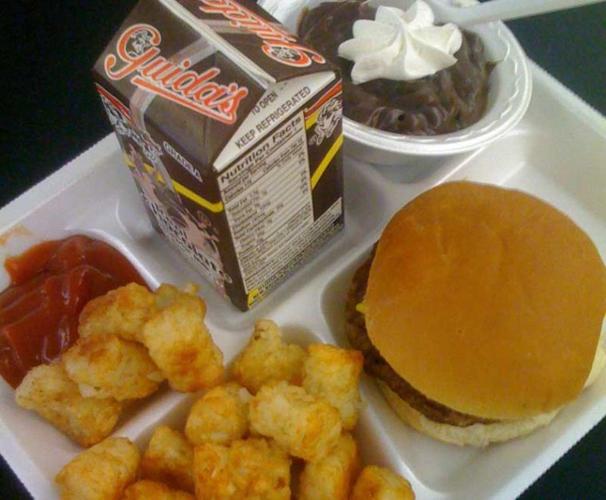
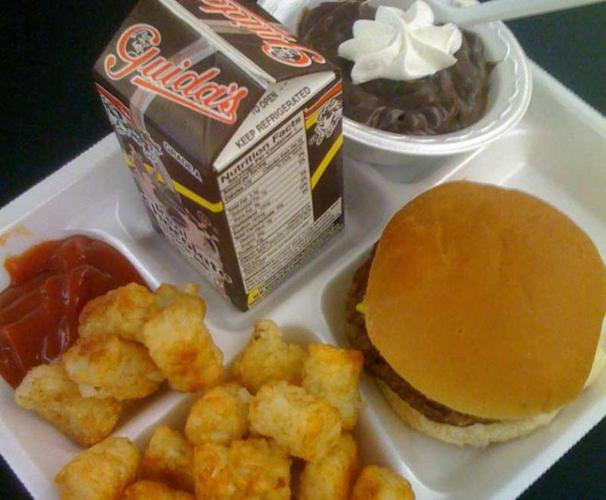
Meanwhile, the food safety bill’s little brother, the so-called school lunch bill, passed the House 264-157 Dec. 2 (it passed the Senate last summer), and awaits a date with Obama’s pen. Given his wife has made kids’ nutrition a priority, smart money expects him to sign it.
But after years of wrangling, the bill is a mere ghost of what was originally proposed. “Two years ago we started out very idealistic,” says Dr. Susan Rubin, who teamed up with Slow Food USA on a campaign, called “Time for Lunch,” that worked to get the bill passed.
“We wanted a dollar more per day, per kid, in funding, because that’s what we thought it would cost to feed kids properly. And now we’re celebrating an increase of six cents.”
While it’s a smaller increase than they’d hoped for, it’s still a bigger increase than school kitchens have had in more than 60 years (not counting adjustments for inflation).
In addition to increased funding, the bill also increases the efficiency of the money it spends. Section 205 of the bill bans certain accounting practices by which wealthy schools have been accessing money intended for low-income students. Getting the kids of families who can afford it to pay their school lunch’s true worth – about $2.30 per meal – will save the program a lot of money. Section 205 also prevents government reimbursement program money from being spent on snacks sold outside of the lunch line, and mandates the creation of standards to regulate foods sold in schools outside of the subsidized meals. This includes the food and beverages sold in school vending machines, and a class of school foods called “a la carte” options – things like bags of chips, and cupcakes with the extra-thick frosting – which are sold alongside the subsidized meals, but aren’t subsidized themselves.
The school lunch bill also calls for an update of the nutrition standards used to create meals funded by the school lunch program. “Right now, for example, USDA standards don’t promote whole grains. The new standards will,” one optimistic school nutrition professional told me, requesting anonymity.
While there are many ideas about how best to feed children, there’s little debate that water is the best drink. The bill mandates access to free drinking water in all schools.
“No child should be forced to choose between buying a Coca Cola product and being thirsty,” says Josh Viertel, president of Slow Food USA.
A big chunk of the bill, $375 million, will be divided among the states as grants to fund nutrition education and anti-obesity efforts. Forty million will fund research on food-related childhood health issues. And another $40 million will be allotted to farm-to-school programs, especially in schools with high populations of low-income students.
Farm-to-school advocates are pleased. Forty million might not sound like a lot of money in terms of the federal budget, but according to Viertel, “That will start a lot of really great farm-to-school pilot projects.” Unlike, say, a cruise missile, a farm-to-school program can be built for a few thousand dollars.
One nagging string attached to the bill is that more than $2 billion – about half its annual budget – is currently earmarked to come out of the food stamp budget. The president has promised to find another source for this money, and here is where the strong arms of Michelle, frying pan in hand, will help.
Despite the bill’s bipartisan support, Fox News has been harassing the bill with fabricated concerns that it “could ban bake sales at schools.”
What the bill does do is state that bake sales and fundraisers could fall under regulation if they become so frequent that a significant portion of students’ calories are coming from such foods, a point that Agriculture Secretary Tom Vilsack went to pains to make in a widely circulated letter. Nonetheless, Fox & Friends show co-host Gretchen Carlson teased another segment on the bill by saying, “Don’t touch my muffins! A new bill headed to President Obama’s desk would give the government the power to limit school bake sales? Is that any of the government’s business?”
Sarah Palin chimed in, via Twitter, criticizing the “school cooking ban.”
Of course, the ones who rake in the most money on school fundraisers, from the Girl Scouts to the Association of Fund-Raising Distributors and Suppliers, have publically come out in support of the bill. Using the bake sale issue to kill a bill that aims to curb children’s hunger and thirst is the height of cynicism.
I came of culinary age exposed to a Reagan-era school lunch program that famously considered catsup a vegetable, and some of my memories of the food itself are disturbing. Sometimes I ate it, but even then I regarded school lunch as a distinctly low-grade reflection on humanity. Luckily for me, my parents were usually able to pack me a lunch. Luckily for a lot of kids, the school lunch program, and public school nutrition in general, are getting a much-needed upgrade.


(0) comments
Welcome to the discussion.
Log In
Keep it Clean. Please avoid obscene, vulgar, lewd, racist or sexually-oriented language.
PLEASE TURN OFF YOUR CAPS LOCK.
Don't Threaten. Threats of harming another person will not be tolerated.
Be Truthful. Don't knowingly lie about anyone or anything.
Be Nice. No racism, sexism or any sort of -ism that is degrading to another person.
Be Proactive. Use the 'Report' link on each comment to let us know of abusive posts.
Share with Us. We'd love to hear eyewitness accounts, the history behind an article.