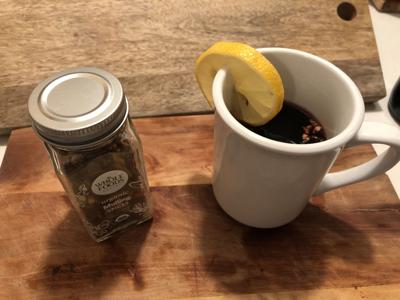

Winter in Europe means mulled wine served at lavish holiday markets, sky resorts and even on street corners. Plastic cups of low-quality Glühwein are a reliable pick-me-up in the exhausting frenzy of holiday shopping.
A nobler version of this delicacy is seasonally served, along with hot mead and hot beer in cafes, disappearing promptly after Three Kings’ Day, Jan. 6, when cinnamon scent starts to make everyone nauseous. But there are many other spices that humans over the centuries have been adding to their vinum conditum [spiced wine], as ancient Romans called it—lemon tree, saffron, cardamon, ginger, bay leaf, oil rose and copious amounts of black pepper. Romans enjoyed this drink to celebrate the birthday of Sol invictus [victorious sun], Dec. 25, so it’s only proper we join them.
Various versions of mulled wine have been mastered around the world, especially in Catalonia and France, with first recipes popping up in English cookbooks in the 20th century. It seems fair to say that the common ancestor of most of those concoctions is hippocras—a medieval spiced wine that relied on a different technique all together—the spices are eventually strained through a cloth (so called “Hippocratic sleeve,” a method devised by our buddy Hippocrates in the 5th century BCE). With this approach, time and patience is required because wine and sugar need to spend at least a night together. The best version of modern hippocratic I encountered (Anne Willan The Cookbook Library: Four Centuries of the Cooks, Writers, and Recipes That Made the Modern Cookbook and its online simplified version by Food 52; look up “ypocras”) is to be served cold, but the effect is divine.
Here's a quick version of homemade mulled wine for the thirsty, freezing and impatient: Buy a bottle of decent red wine (semi-sweet, semi-dry, dry). In terms of spices, you have two options: you create the bouquet you want yourself, or get something like Whole Foods Market Organic Mulling Spices. Your minimal base is: cloves, cinnamon, nutmeg, black or cayenne pepper. Get a pot, pour the wine, start warming up with your spices. Make it hot, but don’t let the wine boil. Establish the level of sweetness with good wild honey or simple syrup. Add a teaspoon of good preserves (currant, berry) if you have it. A slice of orange will add depth.


(0) comments
Welcome to the discussion.
Log In
Keep it Clean. Please avoid obscene, vulgar, lewd, racist or sexually-oriented language.
PLEASE TURN OFF YOUR CAPS LOCK.
Don't Threaten. Threats of harming another person will not be tolerated.
Be Truthful. Don't knowingly lie about anyone or anything.
Be Nice. No racism, sexism or any sort of -ism that is degrading to another person.
Be Proactive. Use the 'Report' link on each comment to let us know of abusive posts.
Share with Us. We'd love to hear eyewitness accounts, the history behind an article.