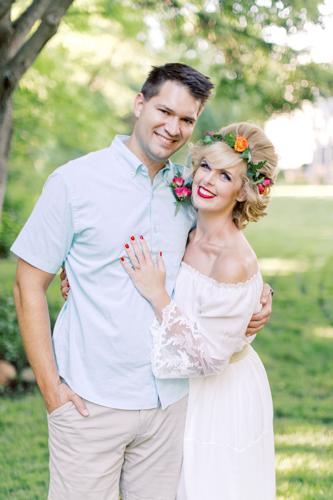
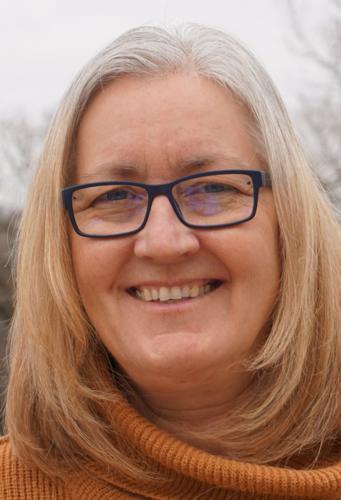
Dr. Gary Anthone discusses the current treatments for coronavirus.
Lauren Brandt and Alex Olinger can’t catch a break.
The coronavirus has derailed their dream wedding — not once, but twice.
This summer, venue restrictions decimated the Omaha couple’s plan for a June 27 celebration with 250 guests. The ceremony and reception were rescheduled — with 65 guests — for Nov. 21 with optimism that the pandemic wouldn’t interfere.
In the week before the wedding, Alex’s grandfather died, and Alex traveled by car from Omaha to Jasper, Indiana, for the funeral.
“He’s an oncology pharmacist and couldn’t have played it safer,” the bride-to-be said.
Still, out of an abundance of caution, Alex had a COVID-19 test through TestNebraska on Nov. 18, the day after returning to Omaha. The lab report arrived in an email two days later, on Nov. 20, the day before their planned wedding.
COVID-positive.
“I’ll never forget the look on Alex’s face when he told me the test result,” Lauren said. “I was in a state of shock and anger.”
The next several hours were a heart-wrenching blur of phone calls, texts and tears — for the second time this year — as they canceled their ceremony and 1920s-themed reception and dinner at the Orpheum Theater.
“It was pure panic,” Lauren said. “It’s a lot of money invested that you can’t get back.” Vendors, she said, responded “with kindness and grace.” Guests did, too. Flowers, gifts, food and comforting messages poured in throughout the weekend.
Not exactly as planned: How 4 couples pivoted their wedding plans amid COVID-19
Disbelief over the COVID test result hung on. “We’ve been the king and queen of masks,” Lauren said. “We’ve been so careful.”
Later that day, Alex went for another COVID test, this time at 88 MED. He also tested through his employer, the University of Nebraska Medical Center. Both sites reported negative results.
Another crushing blow. Had they just canceled the most important event of their lives because of a false positive result?
Dr. Anne O’Keefe doesn’t wish a wedding cancellation on anyone. But in the case of conflicting COVID-19 test results, the prudent course of action was for the couple to error on the side of caution.
Considering all that is — and isn’t — known about COVID-19, “They have to believe the positive test,” said O’Keefe, senior epidemiologist with the Douglas County Health Department. “A negative result doesn’t necessarily mean that you’re COVID-free.”
There are two common types of tests to diagnose COVID-19, and both involve nasal swabs.
The PCR — Polymerase Chain Reaction — test involves a deep nasal swab. “The PCR test is very sensitive and can be used in people with or without symptoms,” O’Keefe said. The mucus samples are sent to a lab to be thoroughly analyzed, and it can take two or more days for results to be received.
This was the type of test the groom initially had with TestNebraska, and again with UNMC. Evaluation of the UNMC sample, the future groom said, was rushed because of his situation. The result: negative.
So there was a positive PCR test and a negative PCR test.

The on-demand antigen test, known as a rapid test, detects the presence of a specific protein on the surface of the virus. It’s best for people who display symptoms or who have had a direct exposure, according to the epidemiologist.
Alex’s third screening, with 88 MED, was a rapid test and came back negative.
If a person has symptoms, a rapid test is reasonably accurate at diagnosing cases, O’Keefe said. It’s different when a rapid test is used as a screening test. If a person is asymptomatic, a rapid test may not be sensitive enough to pick up the virus.
Detection of COVID-19 also depends on where you are in your illness, among other variables. It’s possible, for example, to test negative on a Wednesday and to test positive on a Friday, or vice versa, the epidemiologist said.
The bottom line: A negative test isn’t a free pass. Self-monitoring still is advised, O’Keefe said.
“In an ideal, non-pandemic world, tests should always be directed and interpreted by a trained clinician,” O’Keefe said. “While open access to testing is needed in this pandemic, it has shown us the difficulties in helping people understand the complexities of laboratory tests.”
As of Friday, Alex still reported no symptoms of COVID. Lauren, a private tutor, has tested twice in the past week, and both results came back negative. It’s a relief, she said, because her mother has just started breast cancer treatment.

Dr. Anne O’Keefe
O’Keefe’s advice to engaged couples: Sit tight on setting a wedding date for 2021. One person with COVID could turn a wedding into a super-spreader event. “It’s not worth the risk.”
Earlier this month, the federal Centers for Disease Control and Prevention reported on a large outbreak tied to a 55-person wedding reception in rural Maine. The outbreak was linked to 177 COVID-19 cases, including seven hospitalizations and seven deaths.
For couples who feel they can’t delay their nuptials for a few months, O’Keefe recommends having a small ceremony in the short term and a big reception after the pandemic has safely passed.
“We’re hoping that in three to four months we’ll have a vaccine that is broadly available, and things will begin to return to normal,” she said.
“I was pretty numb last Friday and Saturday,” Lauren said. She spent the weekend putting gifts and monogrammed items out of sight and tossing a houseful of customized and date-specific elements, including signage, seating charts, programs, place cards, napkins, favors and menus.
There also was the issue of the reception food. “We were financially obligated,” Lauren said. Arrangements are being made with the caterer to donate the food to local shelters for holiday meals.
“It was a horrible experience,” Lauren said of COVID’s double robbery of their special day.
But she hasn’t lost sight of the “happily ever after.”
“The wedding will happen, eventually,” she said. “We’ll never really know for sure about Alex’s test result, and just need to let it go. There’s no blame in this. It’s a monster of a virus.”
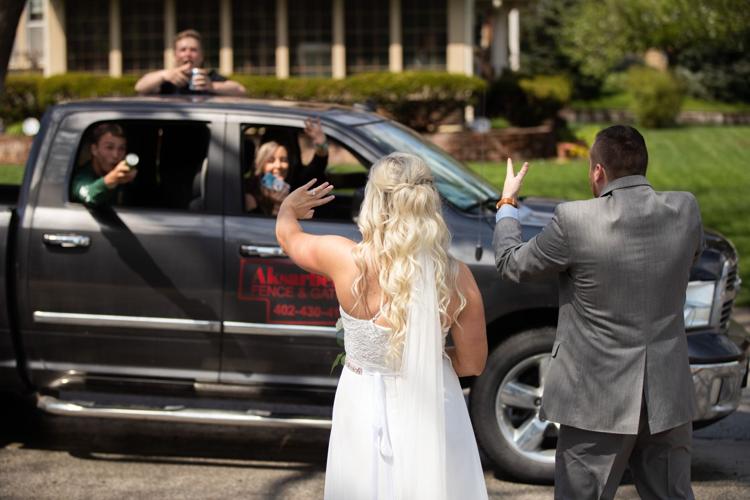
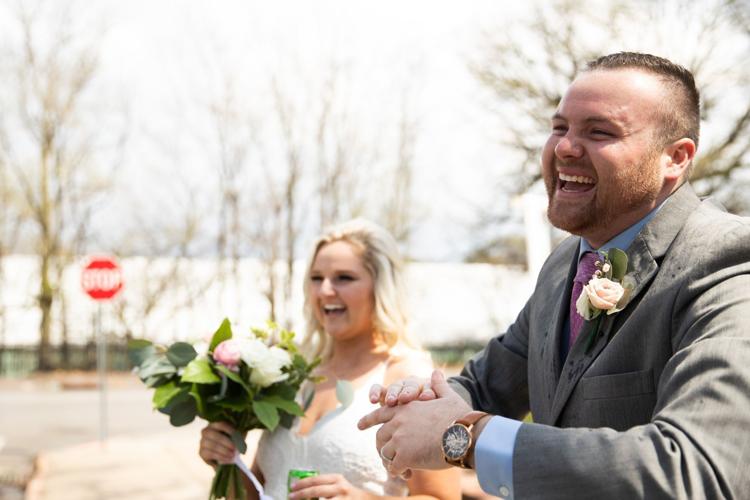
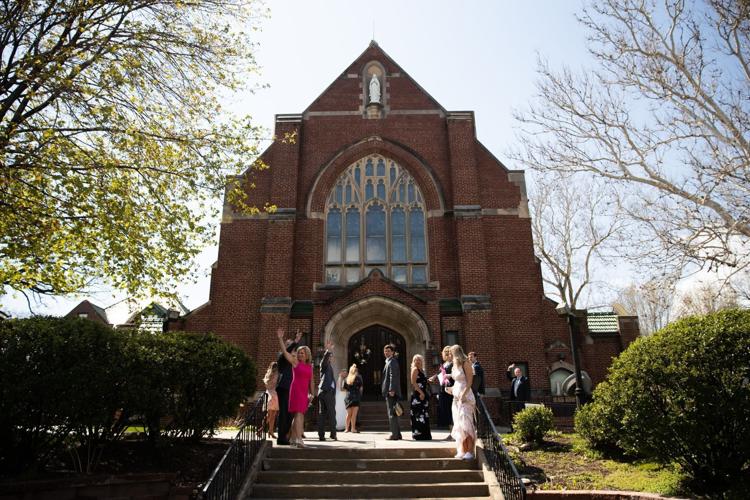
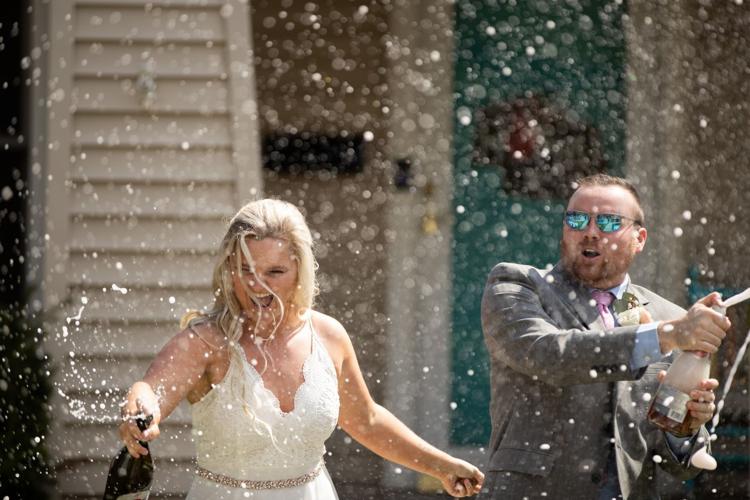
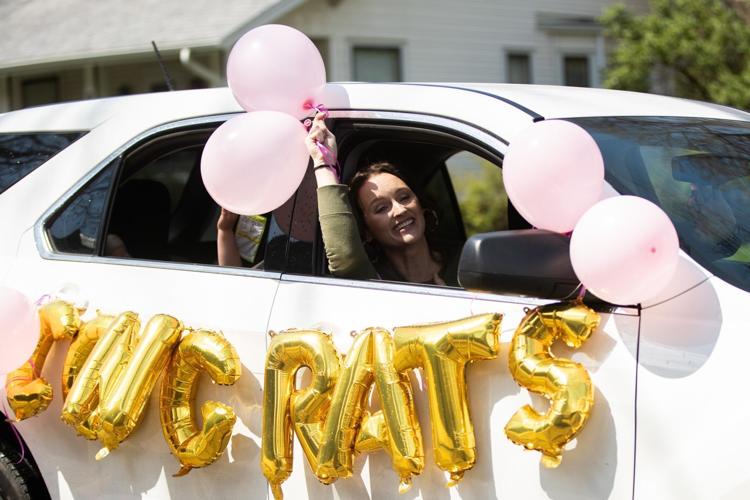
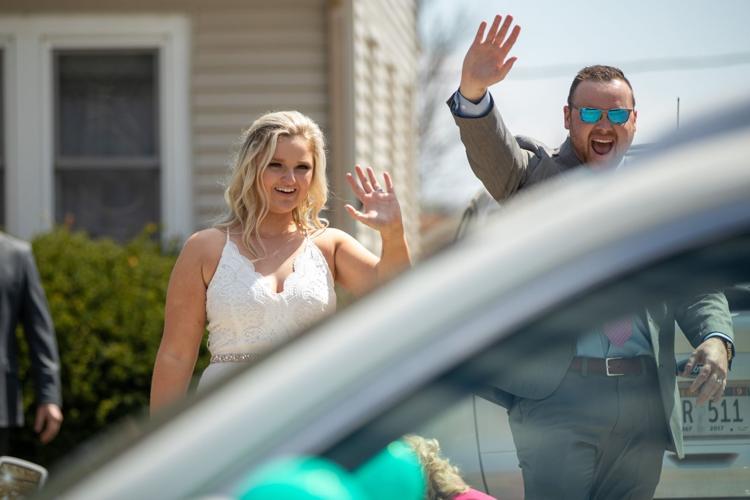
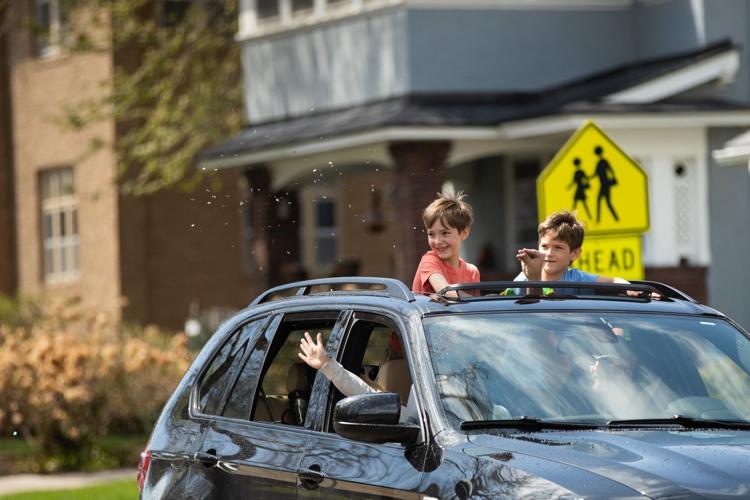
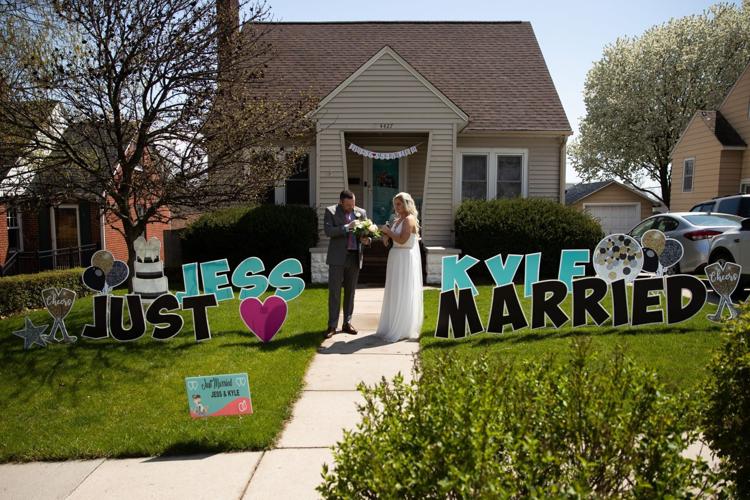
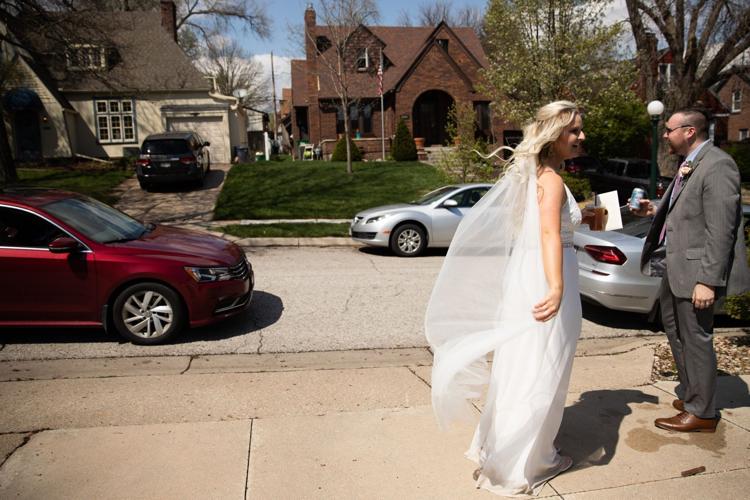
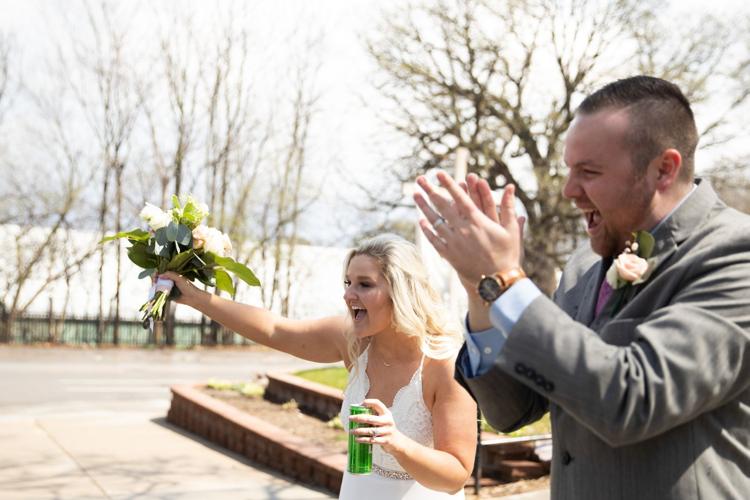
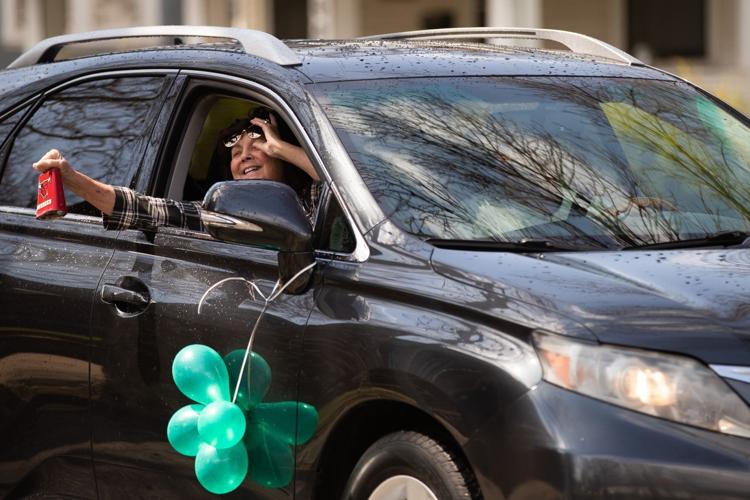
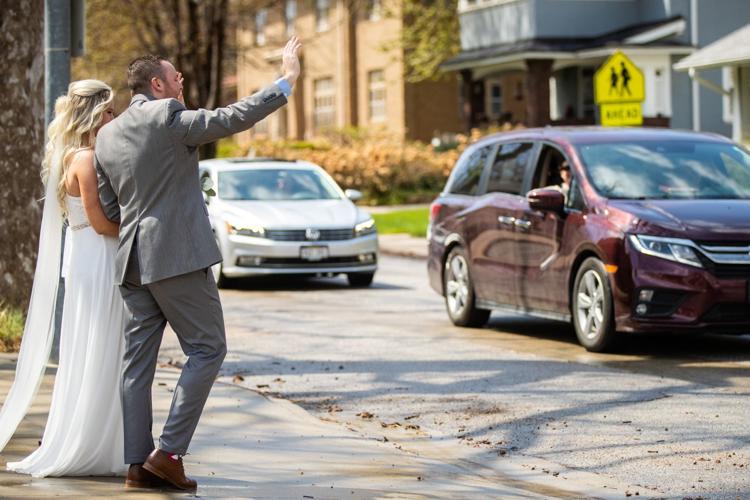
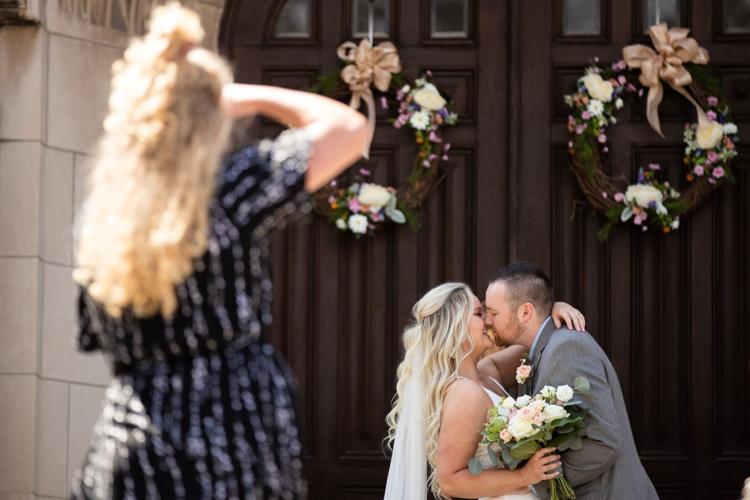
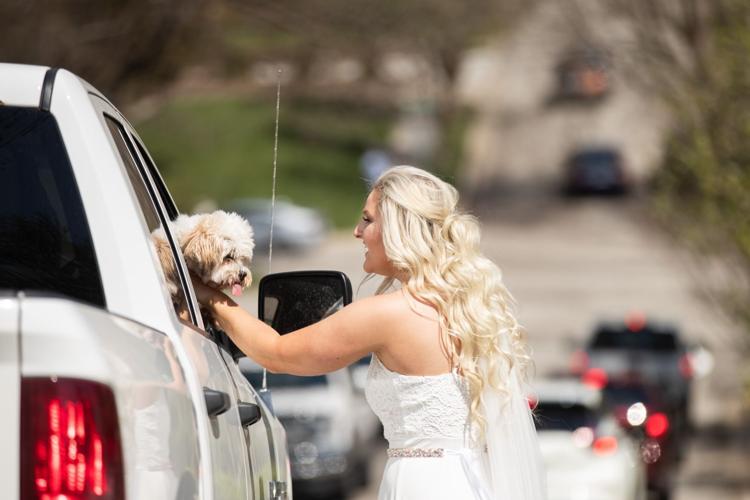
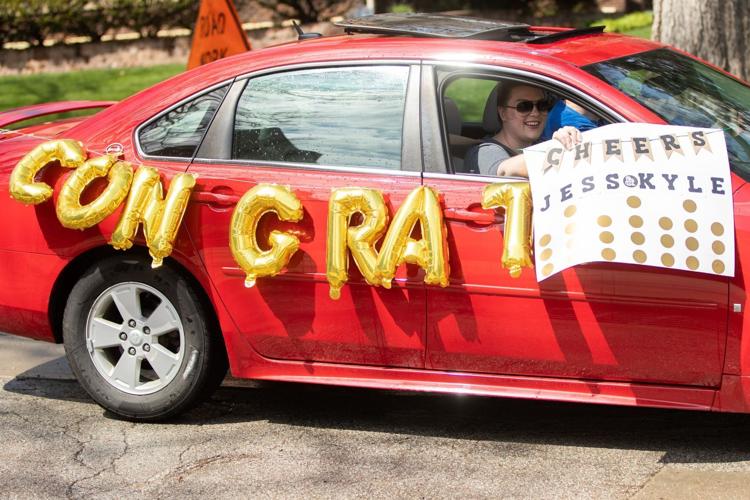
Photos: Omaha couple surprised with parade on wedding day during coronavirus pandemic
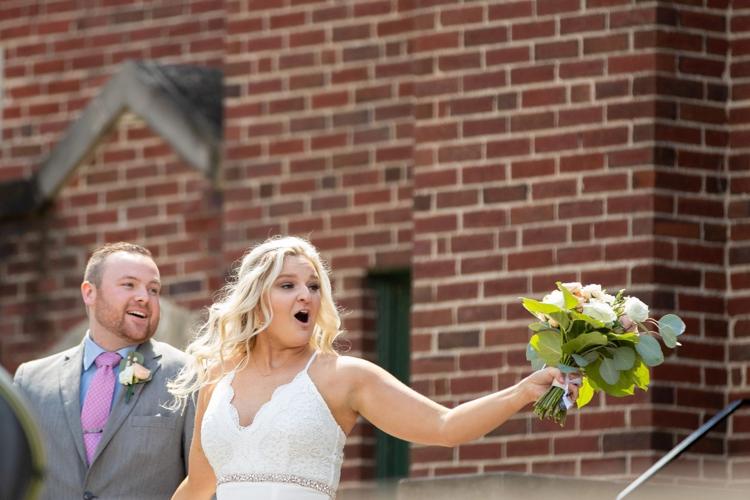
Kyle O'Neill and Jess McMindes are surprised with a car parade as they exit Our Lady of Lourdes Catholic Church.




(0) comments
Welcome to the discussion.
Log In
Keep it Clean. Please avoid obscene, vulgar, lewd, racist or sexually-oriented language.
PLEASE TURN OFF YOUR CAPS LOCK.
Don't Threaten. Threats of harming another person will not be tolerated.
Be Truthful. Don't knowingly lie about anyone or anything.
Be Nice. No racism, sexism or any sort of -ism that is degrading to another person.
Be Proactive. Use the 'Report' link on each comment to let us know of abusive posts.
Share with Us. We'd love to hear eyewitness accounts, the history behind an article.