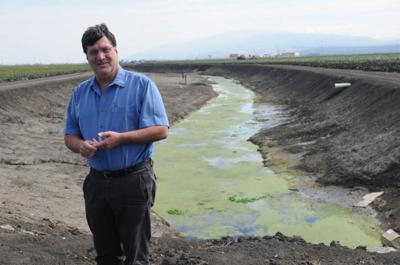
After two years of stagnation, rules on agricultural runoff for the Central Coast could finally flow Sept. 1, when the Central Coast Regional Water Quality Control Board meets in San Luis Obispo – if Gov. Jerry Brown has appointed three new board members by then.
The Central Coast water board has been one vote shy of a five-person quorum to approve a new five-year rule, known as the ag waiver, that would require the worst polluters to cut back on some pesticides and nitrogen fertilizer.
Instead, the board has thrice extended the waiver that expired in 2009. With pending litigation on whether the extensions were legal, and proponents of the stricter runoff rules clamoring for action, sources close to the appointment process say Brown could fill up to three board vacancies in time for the Sept. 1 meeting.
The expansive Central Coast region, which includes all of Monterey County and parts of Santa Clara, Kern and Ventura counties, may get local representation. Applicants to Brown’s pool of prospective appointees include Marina Mayor Bruce Delgado; former Soledad Mayor Richard Ortiz, now retired from a career at the state prison; and Scott Hennessy, who served on the County Planning Commission from 1995 to 2000 and then as director of the County Planning Department until 2005. Hennessy now works as a land use consultant in Corral de Tierra.
A spokesperson from Brown’s office would not comment on the candidates or timeline to fill the vacancies.
How the board is reconfigured has potentially major implications for local growers. The new regulations could become some of the strictest in the nation, depending on which iteration of the draft ag waiver is approved.
The newest draft has few backers. A letter submitted by the Grower-Shipper Association claims the proposed rules would “generate reams of useless information, and in many cases be ineffective.”
Ag industry and environmental representatives met behind the scenes in a mediation group facilitated by the Packard Foundation, but failed to reach a compromise. “We have respectfully ‘agreed to disagree,’” the participants wrote in an Aug. 1 letter to the regional water board.
Roger Briggs, the board’s executive director, says it’s been a challenge to get stakeholder buy-in. “Pretty much every time we’ve made a change, even if we think it’s responsive, there are people in ag that criticize it,” he says.
Ag interests formed the Farmers for Water Quality Fund in January to raise money for the ag waiver process. The group’s donor form requests support to appeal the water board’s decision, “if necessary.” Briggs says the newest industry alternative would fail to achieve the water board’s mandate.



(0) comments
Welcome to the discussion.
Log In
Keep it Clean. Please avoid obscene, vulgar, lewd, racist or sexually-oriented language.
PLEASE TURN OFF YOUR CAPS LOCK.
Don't Threaten. Threats of harming another person will not be tolerated.
Be Truthful. Don't knowingly lie about anyone or anything.
Be Nice. No racism, sexism or any sort of -ism that is degrading to another person.
Be Proactive. Use the 'Report' link on each comment to let us know of abusive posts.
Share with Us. We'd love to hear eyewitness accounts, the history behind an article.