
Consumers are seeing the prices of groceries rise on the shelves. Behind the scenes of food production, Monterey County’s growers are experiencing an increase in costs, but so far that hasn’t translated to higher sales prices for them.
“It’s a real industry killer,” says John D’Arrigo, CEO of the agribusiness company D’Arrigo Brothers.
Large growers usually enter into contracts to sell the produce they intend to plant, cultivate and harvest a year in advance, meaning the price for fruits and vegetables they are harvesting this year were set in 2021, before they could foresee the extent of inflation. “A lot of businesses, like in manufacturing, tend to just pass it on and mark it up,” D’Arrigo says. “Produce really doesn’t operate that way.”
Chris Valadez, president of the Grower-Shipper Association, echoes that – increased prices for consumers do not yet translate for growers. “Whatever profit is created does not trickle back in a like proportion to the farm, because those farm prices were likely set prior to the peaks of when all these cost crushers were caused,” Valadez says.
From February to July of 2022, the average price of diesel in California increased from $5 to $6.60 per gallon, according to the U.S. Energy Information Administration. In Monterey County, prices reached $7.19 per gallon in August. Fertilizer prices, depending on the type of crop, have doubled.
“It’s really been on a noticeable incline that you can track going back to the disruption caused by the pandemic,” Valadez says.
Fertilizer price increases are tied to another big disruptor, Russia’s war in Ukraine. On March 11, the U.S. Department of Agriculture announced it will provide $250 million in grants to support domestic fertilizer production “to address rising costs, including the impact of Putin’s price hike on farmers, and spur competition.”
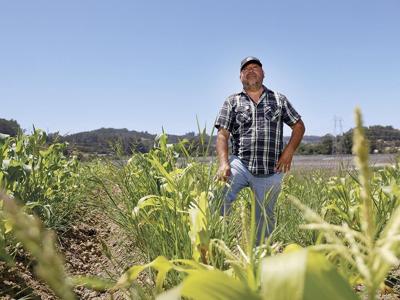
Javier Zamora is the owner of JSM Organics, a 110-acre organic farm in Royal Oaks in North Monterey County. He says due to rising diesel prices, the cost of using tractors and delivery trucks has doubled. In addition, he’s been hit by the rising price of packaging supplies; this year, his farm will pay $170,000 for packaging, up from a more typical $100,000.
Unlike large growers who sign contracts well in advance, Zamora does have the ability to adjust his pricing throughout the season; since last year, he has increased his produce prices by 15 percent. Last year, he sold a box of strawberries for $24; now he’s selling the same box for $27.
Zamora says the past couple of years have been even harder than when he first started his business 10 years ago and he is currently operating at a loss. “[Prices] are making many growers close their farms,” he says.
Both small and large farmers are worried about the future if inflation continues. “I’m not sure how this is all going to work out, whether some people are going to just throw in the towel or go out of business because they can’t cover their costs,” D’Arrigo says.



(0) comments
Welcome to the discussion.
Log In
Keep it Clean. Please avoid obscene, vulgar, lewd, racist or sexually-oriented language.
PLEASE TURN OFF YOUR CAPS LOCK.
Don't Threaten. Threats of harming another person will not be tolerated.
Be Truthful. Don't knowingly lie about anyone or anything.
Be Nice. No racism, sexism or any sort of -ism that is degrading to another person.
Be Proactive. Use the 'Report' link on each comment to let us know of abusive posts.
Share with Us. We'd love to hear eyewitness accounts, the history behind an article.