
Sara Rubin here, feeling a sense of crisis fatigue. When there’s not a new Covid variant or surge or a political uprising upon us, there’s a war unfolding as Russia invades Ukraine. I’m privileged to remain relatively untouched by all of these crises (and more) unfolding around me, something I’m grateful for—yet if I’m being honest, I’m tired of it all.
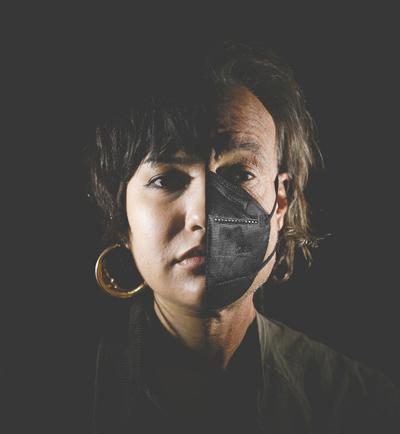
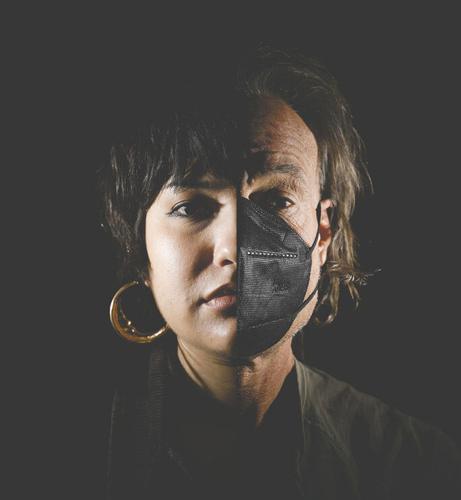
Two years after Covid-19 emerged, I’d like so badly for it to just be over. But it’s not, despite wishful thinking to the contrary. That is the subject of this week’s cover story, which explores this moment in time when we seem to be ushering in an era of resignation. Yes, the case rate is falling. But the damage that Covid can wreak is far from over.
We spent the early months of the pandemic facing head-on the classist reality that we live in: “essential” workers forced to risk exposure to keep earning a living, while many workers (like me) were able to work largely from a laptop, safely, from home. We have not fully reckoned with that reality, but as many of us—tired of the inconvenience and the social isolation—return to normal, we are going to leave people less privileged behind to again bear the brunt of the suffering.
As Gregg Gonsalves writes, “Those left behind don’t have the choices or the resources that those with privilege do, whether they are poor, living with disabilities or chronic medical conditions—or just too old to matter.”
Of course, we’re not just entirely moving on—you can scroll to the bottom of Gonsalves’ story to read about California’s SMARTER plan. And at this stage of the pandemic, we have many more tools than we used to. Most critical are vaccines, plus we know a lot more about masks and which types are most effective, as Pam Marino reports in this week’s cover story.
Speaking of masks: The data is in, and they work, Derek Thompson writes. He describes the convincing results of a study conducted in Bangladesh, which is more than enough to show us that this simple, non-invasive public health intervention is a sensible way to save lives.
But California’s mask mandate has largely ended, even while some facilities—like schools, jails and health care settings—remain subject to further review coming tomorrow, Feb. 28.
The thing about policy decisions is they’re always about more than the most effective approach to solving a problem. They’re also about politics. There’s no way to disentangle the end of mask mandates from politics, as officials balance our collective crisis fatigue with public health.
The same goes for policy decisions on all kinds of interventions, even war in Ukraine—there’s the most effective life-saving approach, then there’s the politics of any approach. Some indelicate balancing act between those things is where we generally land.
The life-saving power of masks would appear to be more obvious, but it marks at least a symbolic shift in how we approach Covid-19. For my part, I will continue to choose to protect myself and others in crowded indoor settings and wear a mask. In the absence of a policy instructing me to do so, I’ll just have to make my own science-informed choices.
Read full newsletter here.

(0) comments
Welcome to the discussion.
Log In
Keep it Clean. Please avoid obscene, vulgar, lewd, racist or sexually-oriented language.
PLEASE TURN OFF YOUR CAPS LOCK.
Don't Threaten. Threats of harming another person will not be tolerated.
Be Truthful. Don't knowingly lie about anyone or anything.
Be Nice. No racism, sexism or any sort of -ism that is degrading to another person.
Be Proactive. Use the 'Report' link on each comment to let us know of abusive posts.
Share with Us. We'd love to hear eyewitness accounts, the history behind an article.