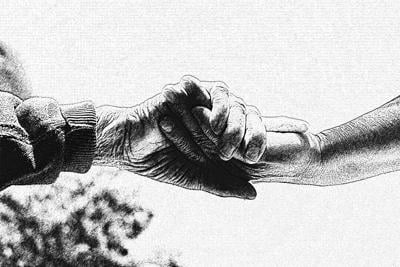
As Thanksgiving approaches, I have been thinking about what it means to be a good guest – not just at someone’s dinner table, but on another people’s homelands.
My own learning has come from the time I’ve been honored to spend with Native tribes, including here in Monterey County. This region is home to at least five sovereign Nations, many of them “unrecognized” by the federal government. And yet, recognition or not, their sovereignty is inherent and alive, an expression of self-determination. Their languages, cultural practices, and stewardship of the land continue despite generations of erasure. These Peoples include the Esselen, Rumsen, Ohlone, Chalone and Salinan.
When we recognize that most of us who are not Indigenous are, in fact, guests on these lands, we begin to see manners not just as politeness but as a form of relationship and reciprocity.
So what does it mean to be a good guest? For me, it begins with learning. I encourage people to visit native-land.ca to learn whose land you live and work on. Knowing the name of the Nation is a first step. From there, we can begin to ask: How can we support these Nations in their ongoing efforts of cultural preservation, land stewardship and restoration?
These lessons aren’t just for our relationship with First Nations. They are also for our daily lives in one another’s homes.
I was taught three simple guidelines for being a good guest:
1. Do not come hungry. Unless you’ve been invited to, arrive nourished – in body and in spirit – so you’re not placing extra burden on your host.
2. Do not come empty-handed. Bring something of yourself to share. It might be food, a gift, a skill or simply your presence offered with care.
3. Do not come unhelpful. Be ready to contribute, to clean up, to lend a hand. Ask how you can be of service.
These are not just social niceties.
These are not just social niceties. They are practices of reciprocity – ways of ensuring the exchange of energy between guest and host is balanced, life-giving and respectful.
Dominant culture often teaches us to show up and be served, or to treat hospitality as entitlement. These small but powerful practices help us unwind that conditioning and step into relationships of mutual respect.
It reminds me of the old Emily Post books on manners. I’ve always appreciated her attempt to look across international boundaries and offer ways for people of different backgrounds to meet with respect.
How do we do that? Whether you are visiting a friend’s kitchen or stepping onto ancestral homelands, simply asking, “What does it mean to be a good guest here?” is one of the most respectful gestures you can make.
I hope to encourage you to think about your own practices of showing up in the world – whether at the dinner table, on the road, or in relationship with the First Peoples of the land you live on.
(0) comments
Welcome to the discussion.
Log In
Keep it Clean. Please avoid obscene, vulgar, lewd, racist or sexually-oriented language.
PLEASE TURN OFF YOUR CAPS LOCK.
Don't Threaten. Threats of harming another person will not be tolerated.
Be Truthful. Don't knowingly lie about anyone or anything.
Be Nice. No racism, sexism or any sort of -ism that is degrading to another person.
Be Proactive. Use the 'Report' link on each comment to let us know of abusive posts.
Share with Us. We'd love to hear eyewitness accounts, the history behind an article.