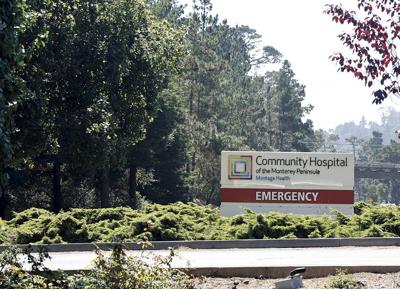

A hospital bill for $600,000 for respiratory treatments after nearly dying from Covid that one Monterey County housekeeper has no way to pay. A farmworker’s spouse in need of surgery and facing a $10,000 co-pay who found care in Santa Clara County for half the cost and no out-of-pocket costs. Pregnant teachers planning to have their babies in other counties because the cost of births in Monterey County’s three main hospitals is potentially double.
These stories have been pouring out of local workers appearing at the newly formed Office of Health Care Affordability Board in Sacramento, created last year by the California Legislature. The office’s charge, under the Department of Health Care Access and Information, is to quantify and eventually enforce limits on the growth of health care costs, similar to commissions now operating in several states. The OHCA Board held its first monthly meeting in March.
The stories out of Monterey County about employer-plan hospital costs were so striking to longtime health care researcher Laurel Lucia of the UC Berkeley Labor Center that she took a deeper look and published her findings Sept. 18. Lucia found data showing CHOMP, Natividad and Salinas Valley Health were all in the top 15 percent of the highest-priced hospitals in California from 2018-2020.
Lucia looked at potential causes, including market concentration, wages and uncompensated costs, concluding more research is needed. “What we’re seeing is a more extreme example of the lack of oversight there is on health care prices paid by covered Californians – and Americans. It’s a national problem,” she says. Oversight by OCHA could garner answers and spur hospitals to reassess prices.
Dr. Allen Radner, chief medical officer of SVH Medical Center and CEO of Salinas Valley Health Clinics, and SVH COO Clement Miller, agree that high costs locally need to be addressed, but say it’s a complicated issue impacted by many factors. All three hospitals take care of everyone regardless of insurance, and reinvest in the community. Salaries and the high cost of living contribute. In addition, Radner calls the structure of reimbursement by the federal government and private insurance companies “untenable going forward.”
Leaders from local unions say a lack of competition between hospitals has driven costs higher. “These hospital systems need to look at their rate structure and realize it’s prohibitive to the working class in this community,” says Kati Bassler, president of the Salinas Valley Federation of Teachers. It’s not just an affordability issue, she adds – it’s become a problem of access.
The OHCA is giving workers an opportunity to share how health care costs are impacting them. A few months ago, local labor leaders formed a coalition to specifically address health care costs. Their members’ testimonies at the OCHA board also caught the attention of California Attorney General Rob Bonta. Bassler says they are meeting with Bonta and his staff over Zoom on Oct. 5 to discuss the problem and solutions.



(0) comments
Welcome to the discussion.
Log In
Keep it Clean. Please avoid obscene, vulgar, lewd, racist or sexually-oriented language.
PLEASE TURN OFF YOUR CAPS LOCK.
Don't Threaten. Threats of harming another person will not be tolerated.
Be Truthful. Don't knowingly lie about anyone or anything.
Be Nice. No racism, sexism or any sort of -ism that is degrading to another person.
Be Proactive. Use the 'Report' link on each comment to let us know of abusive posts.
Share with Us. We'd love to hear eyewitness accounts, the history behind an article.