Beverly Forest’s lawyer wasn’t sure Forest would be able to endure the hours of questioning.
In a June 6 email, plaintiffs’ attorney Gordon Stemple warned defending attorneys that Forest would be arriving for a deposition in a wheelchair, with an oxygen tank and a nurse attendant, and would require frequent bathroom breaks.
Beverly Forest is suffering from a compromised immune system and other complications from radiation for cancer. She’s been in and out of hospitals for six months, weighs 100 pounds and is dying. Her lawyers worry she won’t survive long enough to see the conclusion of a two-year-old lawsuit that claims a moldy office environment at the District Attorney’s office exacerbated her condition.
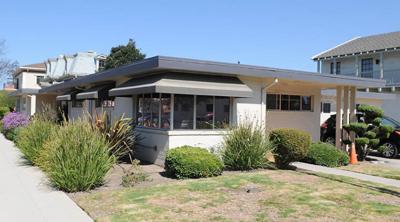
Forest is one of nine plaintiffs who worked in the Monterey County District Attorney’s Fraud Investigation Unit, a group that was assigned to a boxy stucco building on West Gabilan Street known as “the Annex.”
“The only thing my clients have in common is going into this building and coming out sick,” says Monterey-based attorney David Churchill, also representing the plaintiffs.
In an October 2010 complaint, those nine staffers allege mold in the building gave them symptoms such as shortness of breath, recurring headaches, itchy eyes and bloody noses over several years.
Insurance adjusters and attorneys spent all day Sept. 27 in mediation in San Jose, where they tried and failed to reach an agreement. Now the case is headed toward a jury trial, set to begin in Monterey County Oct. 29.
The plaintiffs’ attorneys would not make their clients available to for interviews, but court documents tell a complex story about liability. The questions focus on whether mold is responsible for the illnesses, and if so, who’s responsible for the damages – and how much.
Though visitors and workers long noted a “musty, offensive, foul” smell in the Annex, a series of tests for mold spores show differing accounts of how toxic the building really was.
After a pipe burst in 2002 and flooded the property, the county contracted with industrial hygiene inspectors, who observed visible mold and damp carpets.
Document set
Documents
Inspectors swabbed surfaces and tested the air for mold spores, and found anywhere from six to 400 times the outdoor concentrations of Penicillium/Asbergillus and Stachybotyrs chartarum. Their report recommended that an experienced mold-remediation contractor fix the affected areas.
Landlords Jack and Beverly Hudson hired Sand City-based Disaster Kleenup Specialists, which was then owned by Ream Construction, for remediation. Mason Construction laid carpet and wallpaper to restore the interior.
The plaintiffs sued the Hudsons and Ream in October 2010. Six months later, the Hudsons sued Ream and their tenant, Monterey County, for liability. The county then sued the Hudsons back, along with Mason Construction.
According to court papers, years passed before the nine employees started to think their shared symptoms could be caused by persistent mold. They complained to the DA, and the Monterey County Health Department’s Environmental Health Division conducted a mold assessment in 2008.
“THE ONLY THING MY CLIENTS HAVE IN COMMON IS GOING INTO THIS BUILDING AND COMING OUT SICK.”
Environmental Health Specialist Susan Rimando noted the musty smell but reported no visible mold, chalking up the complaint to poor housekeeping.
“Mold is ubiquitous,” she wrote in her report. “It is everywhere outside and inside homes and buildings. Our visual assessment… indicates that an accumulation of dust and poor air circulation may be the most probable factors.” She recommended employees remove the clutter from their desks.
In a memo summarizing the Health Department’s findings, District Attorney Dean Flippo wrote, “The county’s conclusion is there are no verifiable health hazards in the building.” Two months later, a Cal/OSHA inspector diagnosed the building with “sick-building syndrome.”
When Forest worked as a legal secretary for the DA, she was undergoing radiation treatment for cancer. Radiation is known to increase the risk of contracting a fungal infection. Experts retained by her attorneys say scarring on her heart and lungs is the result of a fungal infection, but defendants’ medical experts demur.
Forest’s claim for workers’ comp was denied. “There is no factual, medical or legal evidence linking these injuries to… exposure to mold,” the denial form states.
Attorneys would not disclose even approximate dollar figures. However, a recent email included in the case file, written by the landlord’s attorney, says Forest has a “multi-million dollar claim.”
“Our sense is that the numbers we’ve been given are very high, and we don’t think they’re realistic,” Deputy County Counsel William Litt says.
If they’re found liable, the county, Mason, Ream and the Hudsons could each foot part of the bill.
Churchill says he doesn’t care who pays how much, as long as the plaintiffs – and their lawyers – walk away with what he calls “the right number.”
This story has been updated to reflect the following correction. An earlier version stated Forest is dying from cancer. She is cancer-free, but suffering from complications from radiation for cancer.


(0) comments
Welcome to the discussion.
Log In
Keep it Clean. Please avoid obscene, vulgar, lewd, racist or sexually-oriented language.
PLEASE TURN OFF YOUR CAPS LOCK.
Don't Threaten. Threats of harming another person will not be tolerated.
Be Truthful. Don't knowingly lie about anyone or anything.
Be Nice. No racism, sexism or any sort of -ism that is degrading to another person.
Be Proactive. Use the 'Report' link on each comment to let us know of abusive posts.
Share with Us. We'd love to hear eyewitness accounts, the history behind an article.