
Dow Chemical first made chlorpyrifos available for sale in the U.S. in 1965. In the half-century since, it’s become a widely used pesticide for everything from golf turf and treatment of wood fence posts to agriculture, where it’s applied mostly to corn, but also soybeans, fruit, cranberries, broccoli and cauliflower, among other crops.
Also in the half-century since, scientists and public health officials have revisited ideas about appropriate and safe uses for the chemical. In 1996, the Food Quality Protection Act set more stringent guidelines for use around children; in 2000, the manufacturer voluntarily agreed to phase out indoor homeowner uses and restrict use on tomatoes and apples.
In 2002, the U.S. Environmental Protection Agency made changes to the product usage guidelines, including buffer zones to protect waterways and additional personal protective safety gear for farm workers applying chlorpyrifos.
In Monterey County, chlorpyrifos accounts for a relatively small proportion of pesticide usage; in 2016, the most recent year for which data is available, there were 83 separate applications for a total of 3,226 pounds – about 0.03 percent of pesticides by volume that year. It’s used on several Monterey County crops, from wine grapes to broccoli.
As regulators have inched toward more restrictions, environmental and health advocates have been asking for an all-out ban in a battle that played out in court. In 2017, the EPA denied a petition requesting that the agency ban the chemical, a neurotoxin; then in 2018, the U.S. Ninth Circuit Court of Appeals ordered the EPA to ban chlorpyrifos. The U.S. Department of Justice intervened on the EPA’s behalf, and the pesticide is still undergoing a review; the EPA plans to complete a reassessment of chlorpyrifos by Oct. 1, 2022.
Meanwhile, at the state and county level, there are faster changes taking place. The California Department of Pesticide Regulation is in the midst of its own regulatory process to list chlorpyrifos as a “toxic air contaminant.” (The agency proposed doing so in September, and a public comment period on that proposal closed Nov. 9.) While that regulatory process moves forward, on Nov. 15, DPR announced recommended interim restrictions effective Jan. 1.
Those include banning all aerial applications of the pesticide; restrictions except for “critical uses,” such as treating grapes for ants or mealy bug control, or radish and rutabaga for maggots; and requiring a 150-foot setback from homes, businesses and schools at all times, even if those sites are unoccupied.
“These interim measures represent a significant step in our ongoing effort to protect human health and the environment,” DPR Director Brian Leahy said in a statement.
Monterey County Agricultural Commissioner Henry Gonzales implemented the recommended restrictions as soon as they were announced, and notified growers. He expects he won’t hear much concern during the off-season.
Activists are still urging more action. Sarait Martinez is a community organizer with Safe Ag Safe Schools, which has chapters in Salinas, Greenfield and Watsonville. “This is still short of what we’re asking,” she says. “We are asking for an immediate ban. A ban is what we want and need in order to be safe.”
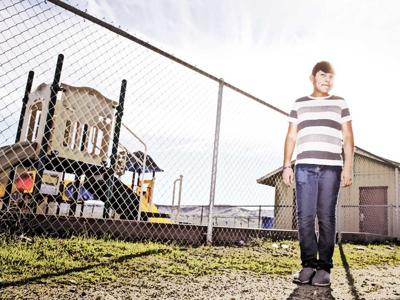
Editor's note: The photo caption has been updated to reflect the following correction. Victor Torres' surname is Torres, not Martinez.




(0) comments
Welcome to the discussion.
Log In
Keep it Clean. Please avoid obscene, vulgar, lewd, racist or sexually-oriented language.
PLEASE TURN OFF YOUR CAPS LOCK.
Don't Threaten. Threats of harming another person will not be tolerated.
Be Truthful. Don't knowingly lie about anyone or anything.
Be Nice. No racism, sexism or any sort of -ism that is degrading to another person.
Be Proactive. Use the 'Report' link on each comment to let us know of abusive posts.
Share with Us. We'd love to hear eyewitness accounts, the history behind an article.