One of the major tasks that the Fort Ord Reuse Authority must complete before it dissolves next summer is to create a plan for the protection of threatened species within the 36-square-mile boundary of the former Fort Ord military base. A Habitat Conservation Plan is now in draft phase and the public is invited to review it and provide feedback.
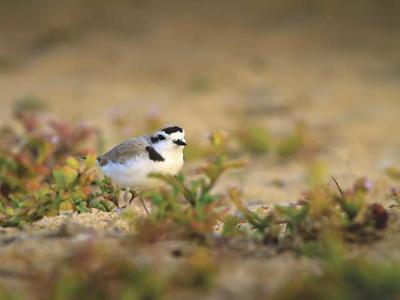
The draft analyzes the expected impacts of future development on wild habitats and prescribes necessary management of eight threatened species. Among these species are the California red-legged frog, California tiger salamander and the western snowy plover.
Within its proposed 50-year lifespan, the HCP requires that new development adhere to guidelines restricting damage and destruction of habitats. It also requires mitigation measures such as landscaping with native plants and conducting prescribed burns.
“It’s not good enough to say you’re going to put a fence around these habitats so no one can go there,” says Michael Houlemard, the executive officer of FORA. “It’s not just about improving tourism, setting aside park land, or developing businesses.”
There’s a particular emphasis in the draft plan, Houlemard adds, on the areas where wildlands and urban development meet and on corridors for the migration of creatures between protected habitats.
The draft plan is over 600 pages, but Houlemard suggests readers start with the executive summary at the beginning of the document, a more digestible 14 pages. The deadline to submit comments is Monday, Dec 16.
SUBMIT COMMENTS via email at fw8fortordhcp@fws.gov.


(0) comments
Welcome to the discussion.
Log In
Keep it Clean. Please avoid obscene, vulgar, lewd, racist or sexually-oriented language.
PLEASE TURN OFF YOUR CAPS LOCK.
Don't Threaten. Threats of harming another person will not be tolerated.
Be Truthful. Don't knowingly lie about anyone or anything.
Be Nice. No racism, sexism or any sort of -ism that is degrading to another person.
Be Proactive. Use the 'Report' link on each comment to let us know of abusive posts.
Share with Us. We'd love to hear eyewitness accounts, the history behind an article.