Before sunrise, I’m already in my strawberry fields.
As a third-generation California strawberry farmer and father of three, I spend my days caring for the berries that families across Monterey County—and the nation—enjoy every day. The work is deeply personal because the same strawberries I grow for families across the country are the ones I bring home to my own family and share with my friends.


That connection shapes everything I do. For me, farming is about more than growing strawberries. It is about carrying forward a family legacy, creating opportunities for hardworking people, caring for the land and producing nutritious food that families can trust and enjoy.

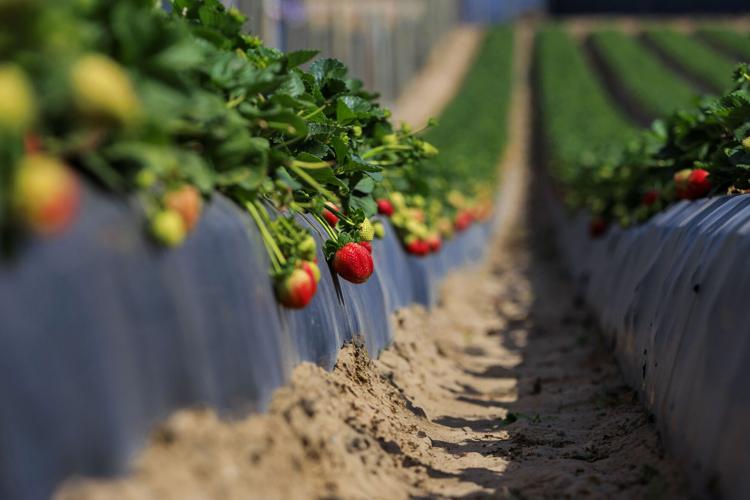
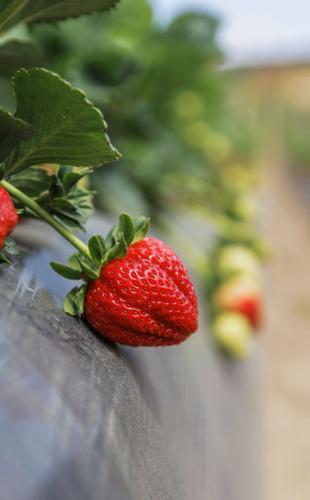
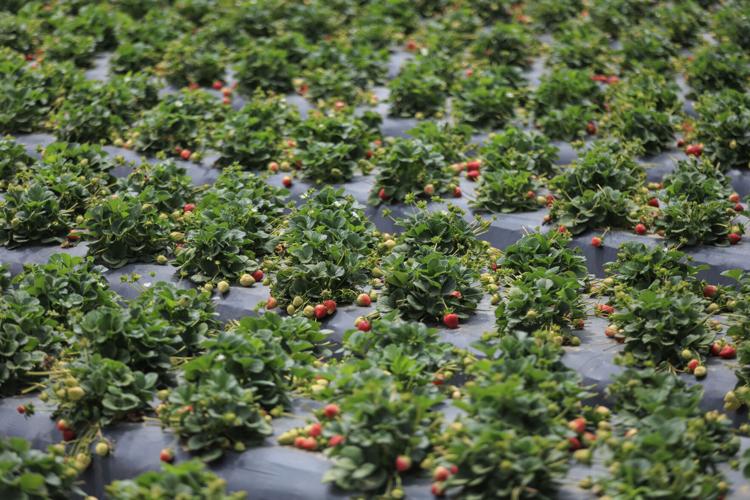
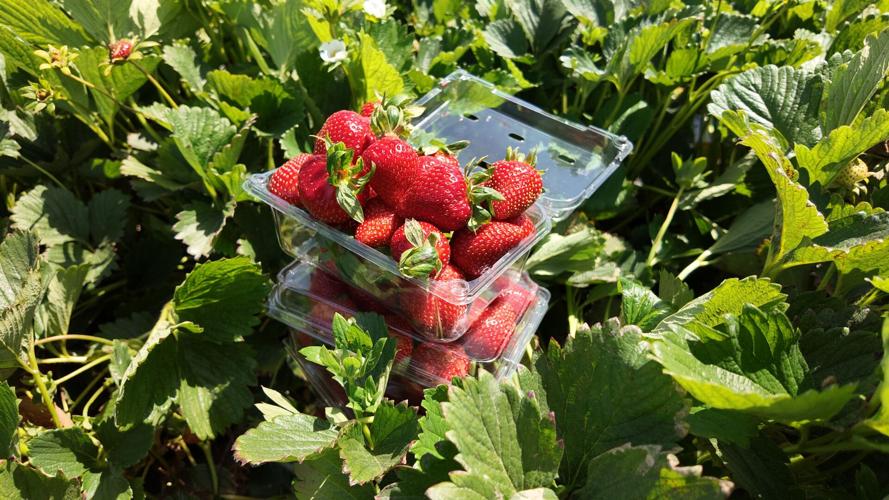
Camarillo, CA, April 16, 2025. Uriel Hernandez, a strawberry grower and his strawberry fields in Camarillo, Calif., April 16, 2025 Photo by Robert Durell
Over the years, I’ve come to realize that many people are disconnected from agriculture. They may not know who grows their food or how much care goes into producing it. That’s why I believe it’s important to share our stories. When people understand where their food comes from, they gain a greater appreciation for the work behind it and the people who make it possible.
I think a lot of people imagine strawberries come from some kind of assembly line, like iPhones. But farming doesn’t work that way. Growing a good strawberry takes patience, hard work and a real love for what you do. Every berry represents months of work, from preparing the soil and caring for the plants to picking the fruit at just the right time.

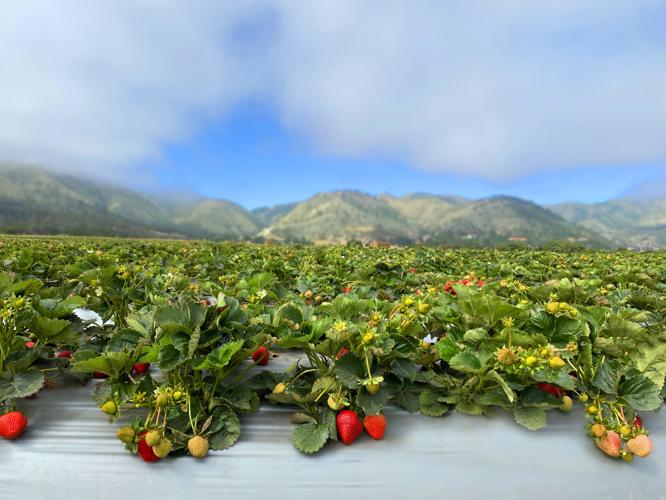
Camarillo, CA, April 16, 2025. Uriel Hernandez, a strawberry grower and his strawberry fields in Camarillo, Calif., April 16, 2025 Photo by Robert Durell
I hope my story gives people a better understanding of who grows their strawberries and how much work goes into every package. By learning more about where their food comes from, people can make informed decisions while supporting local family farms that contribute to our economy, communities and agricultural heritage.
Farming runs deep in my family. My grandfather, father and uncle helped establish our family’s strawberry operation in Salinas decades ago. What started with only a few acres has grown over time, but I still rely on their wisdom today. I’m proud to carry their legacy forward while continuing to learn from the generations that came before me.
Some of the most important lessons I’ve learned have little to do with growing Strawberries.
My mother worked as a strawberry picker, and watching how hard she worked taught me that everyone deserves to be treated with respect and dignity. That lesson shapes how I treat the people who work on my farm today. I often ask myself how I would want my own mother to be treated, and I try to lead with that same level of care and respect.
That perspective has shaped my commitment to the people who work alongside me. Over the years, I’ve seen people begin as strawberry pickers and go on to become supervisors, foremen, truck drivers and, in some cases, farm owners themselves. Seeing people succeed and create better opportunities for their families is one of the most rewarding parts of what I do.

Many of the families who work on our ranch have multiple generations employed here. Every clamshell of strawberries represents more than fruit. It represents dreams, opportunities and hardworking people whose efforts help strengthen our communities.
Just as important as caring for people is caring for the land.
Great strawberries begin with healthy soil and responsible farming practices. Like many California strawberry farmers, I work to conserve resources and care for the land so it remains productive for future generations. Producing high-quality strawberries requires months of attention, from planting and irrigation to harvesting and quality control. Every step matters.

The sweetness people enjoy in every bite is the result of that commitment. It also reflects our responsibility to protect the natural resources that make farming possible.
As a parent, producing nutritious food is just as important to me as producing flavorful food. I want families to feel good about the food they bring home and serve to the people they love.
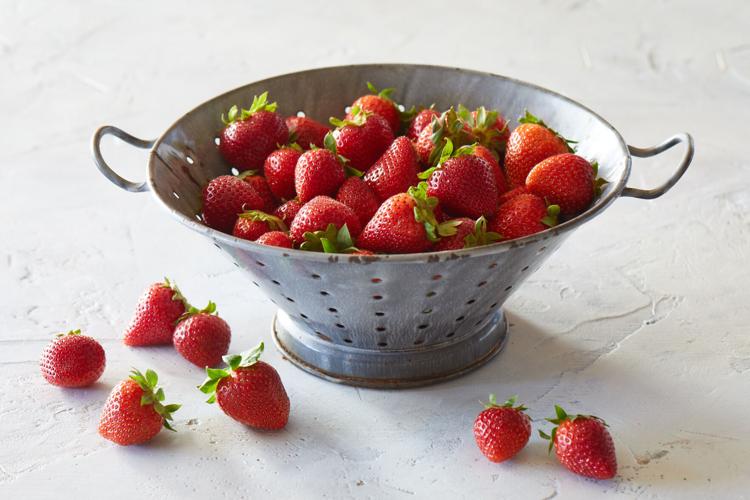
Strawberries provide vitamin C, antioxidants and other important nutrients, but in my family, we don’t make them complicated. We eat them straight from the field or simply as they are. That’s one of the things that makes strawberries so unique. They’re naturally sweet, but they also work in savory dishes, so people can enjoy them in all kinds of meals and snacks throughout the day. They taste good, they’re good for you, and I’m proud to grow something that families can enjoy in so many different ways.
There is a lot of information—and sometimes misinformation—about food today. I encourage people to ask questions and learn more about where their food comes from.
The more people understand what it takes to grow their food, the stronger the connection becomes between farmers and the families we work hard to feed.
At the end of the day, my work is about much more than growing strawberries.
It’s about honoring the generations who came before me, creating opportunities for the people who work alongside me, caring for the land that sustains my farm and growing the same healthy food I proudly serve to my own children.
When you pick up a package of strawberries at your local grocery store, I hope you’ll remember there is a family behind every berry. For me, strawberry farming isn’t just a profession. It’s a responsibility, a legacy, and a way to help nourish families, including my own.
Jose Luis Rocha Jr. runs Rocha Jr. Berry Farms and works for Rocha Brothers Farms in Salinas.
